
A scary headline about “vision loss” tied to blockbuster weight-loss drugs sounds like the kind of thing that should tank a company’s stock. It didn’t. Investors barely blinked.
Few drugs in modern medicine have gone from niche treatment to global obsession as fast as GLP-1 receptor agonists. What started as a therapy for type 2 diabetes is now a cultural phenomenon driving weight-loss trends, healthcare debates, and billion-dollar valuations.
Then comes a familiar pattern:
A study raises a concern, headlines amplify it, and suddenly the same miracle drug looks suspicious.
This time, the spotlight is on a possible link between these drugs and a rare vision condition. Before panic takes over common sense, it helps to actually understand what’s going on beneath the surface.
That disconnect tells you something important: not every alarming study rewrites the medical or financial story overnight. In this case, the drugs in question, powered by semaglutide, are still sitting comfortably in the “highly valuable and widely trusted” category… at least for now.
What the Harvard Study Actually Found
Let’s strip the drama out of it.
Researchers analyzed tens of thousands of patients and found a possible association between semaglutide use and a rare eye condition called nonarteritic anterior ischemic optic neuropathy (NAION). That’s a mouthful, but the idea is simple: reduced blood flow to the optic nerve can cause sudden vision loss, usually in one eye.
Here’s the part people tend to ignore when panic-sharing articles:
- The condition is rare to begin with
- The study shows correlation, not causation
- The dataset had limitations and small subgroups
- Experts say the statistical confidence is… not exactly rock-solid
In other words, this is not “drug causes blindness.” It’s “this might be worth watching more closely.”
Why Markets Didn’t Care Much
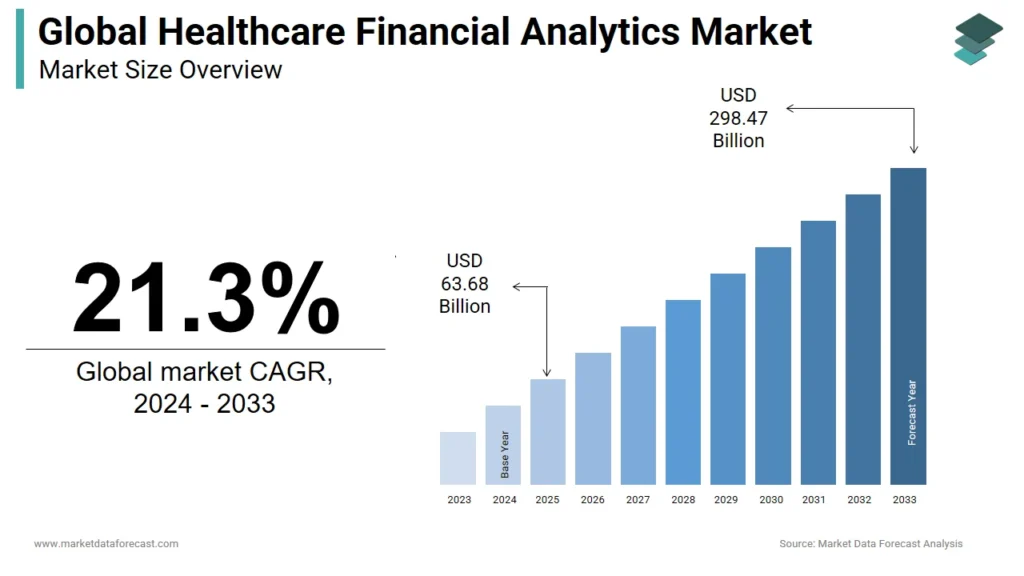
You’d expect investors to panic. Instead, they shrugged and moved on with their day.
Why? Because:
- Analysts consider semaglutide drugs among the most well-studied and de-risked treatments
- The worst-case scenario is likely just a label update, not a product recall
- These drugs are already generating massive revenue and demand
Basically, a weak-signal safety concern isn’t enough to derail a pharmaceutical giant printing money.
The Growing List of “Things to Keep an Eye On”
This isn’t the first time these drugs have been questioned. As their popularity explodes, so does scrutiny.
Reported concerns include:
- Gastrointestinal issues, including severe digestive slowdowns
- Pancreatitis (already listed as a warning)
- Bowel obstruction risks
- Psychological effects like mood changes
And now, potentially:
- Rare vision complications like NAION
Before jumping to conclusions, remember: common drugs often accumulate long lists of rare side effects simply because so many people use them. That’s math, not necessarily failure.
Now to the part that caused all the noise.
NAION is:
- A rare condition
- Caused by reduced blood flow to the optic nerve
- Capable of leading to sudden vision loss in one eye
That sounds alarming, because it is. But here’s what the study actually says, not what headlines imply:
- It shows an association, not causation
- The number of affected cases is small
- The statistical certainty is limited
- Researchers themselves call for further investigation
The Bigger Picture: Benefits Still Dominate
Here’s the inconvenient truth for anyone hoping for a dramatic takedown of these drugs: they work. And not just for weight loss.
Clinical use has shown:
- Significant weight reduction
- Improved blood sugar control
- Reduced cardiovascular risk
In fact, one of these treatments has already been cleared for lowering heart disease risk, which is a much bigger public health issue than a rare eye condition.
So the trade-off looks like this:
- High-impact benefits for millions
- Potential rare risks still being studied
Medicine lives in that uncomfortable middle ground all the time.
Also Read: James Wiles Contributions in UAE Healthcare & Supply Chain Cybersecurity 2026
A Glimpse Into the Future: Fixing What Breaks
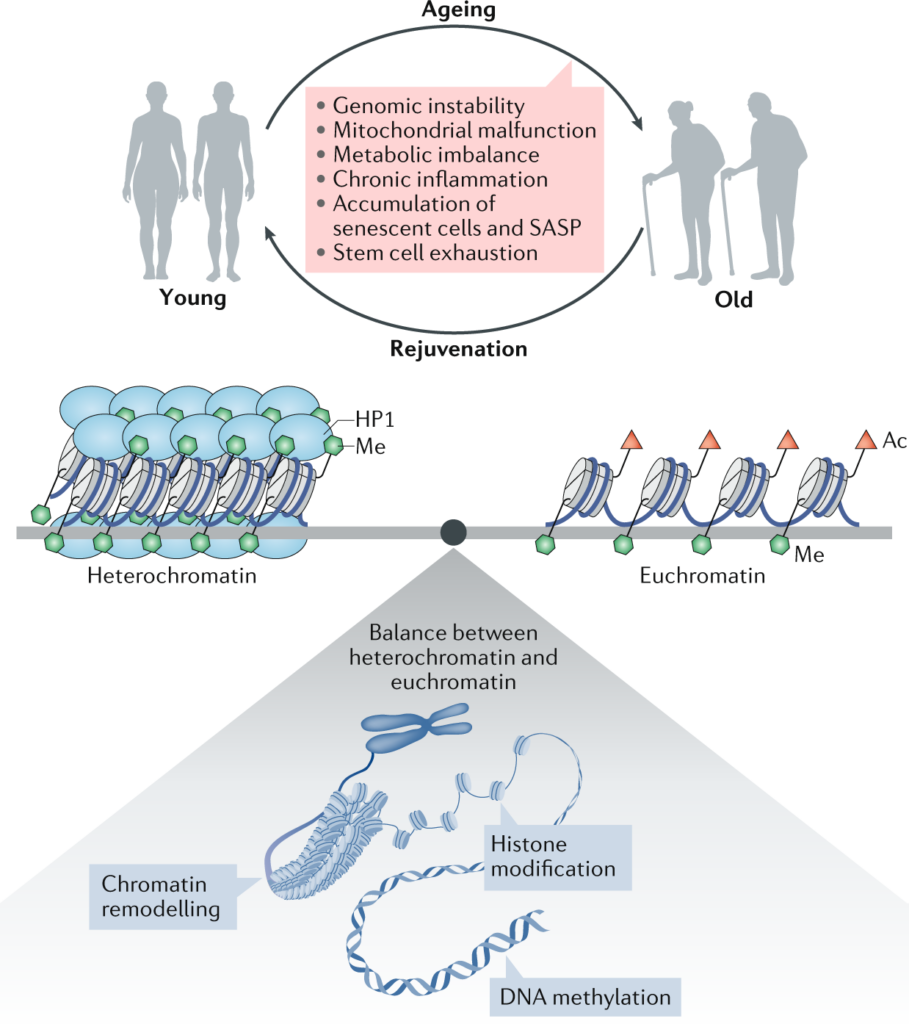
Here’s where things get interesting, and slightly sci-fi.
Researchers are already exploring ways to regenerate damaged optic nerves using gene reprogramming techniques. Early experiments in animals suggest that it might be possible to restore function by effectively “resetting” aging cells.
If that sounds absurdly ambitious, it is. But it’s also where modern medicine is heading:
- Treat the disease today
- Repair the damage tomorrow
- Eventually prevent the whole mess altogether
Meanwhile, conditions like glaucoma continue to be a major cause of blindness globally, which makes these regenerative approaches more than just academic curiosity.
So… Should Anyone Panic?
Short answer: no. Longer answer: also no, but maybe read beyond headlines next time.
What’s happening here is normal:
- A widely used drug gets studied more deeply
- A potential risk signal appears
- Scientists debate it
- Regulators monitor it
- Labels may evolve
That’s how drug safety is supposed to work.
If anything, the real mistake people make is expecting medicine to be risk-free. It isn’t. It’s about balancing outcomes, not achieving perfection.
And right now, these drugs are still firmly on the “benefits outweigh risks” side of that equation… even if the internet briefly decided everyone was going blind last Thursday.

UK-based journalist covering UAE entrepreneurship, executive branding, and leadership growth across global business ecosystems.