The upcoming Eid Al Adha holidays in 2026 are set to trigger a significant transformation in the travel habits of UAE residents. Traditionally, this period sees a massive exodus of expatriates and citizens toward Europe and South Asia. However, a combination of protracted visa delays, extreme weather patterns, and heightened regional tensions is forcing travelers to rethink their itineraries.
For the UAE travel industry, this shift represents both a challenge and an opportunity. While travel to traditional hubs like India and the Schengen zone is facing headwinds, destinations in Southeast Asia and domestic staycations are seeing unprecedented demand. Understanding these trends is vital for businesses and consumers alike as they navigate a complex travel landscape.
Visa Delays Push UAE Residents Toward Asian Travel Destinations
As the final week of June approaches, UAE residents are increasingly looking toward the Far East as a viable alternative to European destinations. This shift is primarily driven by the ongoing difficulty in securing Schengen visa appointments, which have become a major bottleneck for those wishing to visit countries like France, Germany, or Italy.
Travel experts note that countries such as Thailand, Indonesia, Malaysia, and Singapore have become the primary beneficiaries of this frustration. These destinations offer more straightforward visa processes, including e-visas and visa-on-arrival options for many nationalities residing in the UAE.
Furthermore, UAE-based carriers have responded to this demand by ramping up operations to South East Asian airports. Airlines like Emirates, Etihad, and flydubai have introduced or increased flights to smaller, tourist-heavy cities such as Krabi and Ko Samui in Thailand, as well as Pattaya.
Interesting Article: Parents Alarmed as UAE Children Turn to AI for Everything
Recent Crises Have Permanently Altered Travel Demand Cycles
The current travel climate is not an isolated event but the result of a multi-year timeline of disruptions:
- Post-Pandemic Surge (2022-2023): Following the lifting of COVID-19 restrictions, travel demand from the UAE skyrocketed. European embassies struggled to keep up with the volume of visa applications, leading to the first major delays.
- The 2025 Kashmir Crisis (April 2025): A deadly terrorist attack on tourists in Indian-controlled Kashmir led to a breakdown in diplomatic ties between India and Pakistan. This resulted in visa suspensions and the cancellation of hundreds of travel plans for UAE residents who had weddings and family gatherings planned in the region.
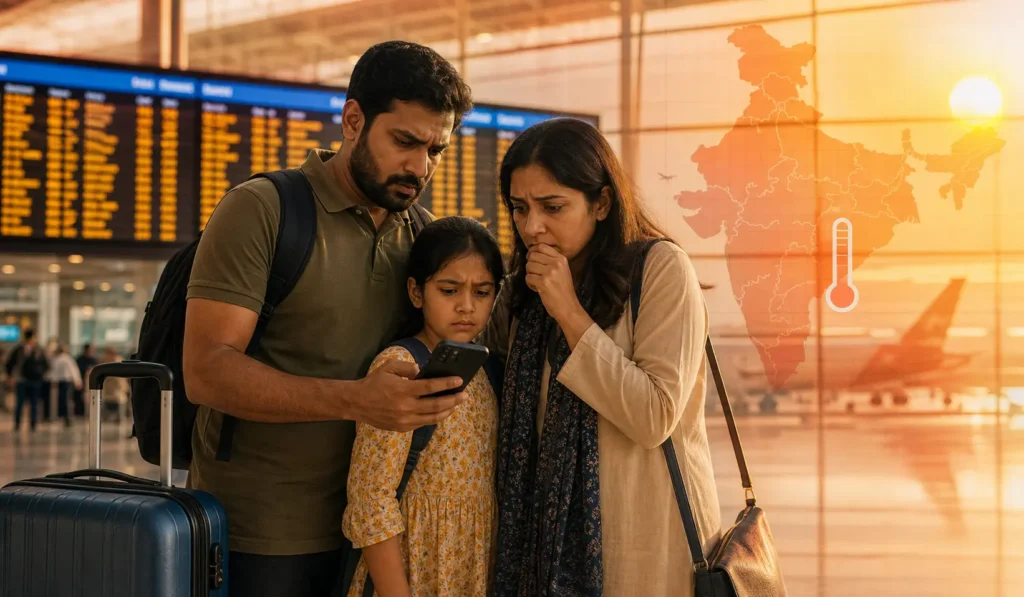
- The 2026 Heatwave (April-May 2026): A severe heatwave began gripping the Indian subcontinent, with temperatures in cities like Delhi and Jaipur reaching 46°C. This has caused a sharp dip in travel bookings to India during the Eid period.
- Aviation Pricing Shifts (2024-2026): Airfares between the UAE and India have remained consistently high, often 30% to 35% above normal seasonal rates, even during traditional “low” periods like April.
Flight Pricing Data Shows Clear Shifts in UAE Travel Demand
Data from Online Travel Agencies (OTAs) shows a diverse range of pricing for the Eid Al Adha period (June 23 to 30). While some routes remain affordable, others have seen significant spikes due to demand.
| Destination | Airline Type | Average Fare (AED) | Notes |
| Bangkok | Full Service | 2,495 | Part of Etihad sales packages |
| Manila | Full Service | 2,395 | Steady demand for expat travel |
| Krabi / Ko Samui | Mixed | 1,800 – 2,655 | Direct flights from UAE carriers |
| Bali | Direct | 7,065 | High demand for luxury leisure |
| Jakarta | Direct | 3,255 | Alternative to Bali |
| Tokyo | One-stop | 3,007 | Popular for new Japan eVisa holders |
| Maldives | Low Cost | From 179 | Wizz Air Abu Dhabi ultra-low fares |
While base fares to some Asian destinations have stayed largely steady since March, they are expected to shoot up significantly (ranging from Dh4,300 to Dh7,600) once the official summer holidays begin in July. Businesses should pay close attention to these changes in consumer spending on luxury travel versus budget-friendly alternatives.
Also Read: Dubai Updates Residency Visa Policy for Real Estate Investors
UAE Residents Are Choosing Local Holidays Over International Trips
The combination of high costs and environmental factors is changing how families spend their Eid break. For many Indian expatriates, the traditional trip home has become less appealing.
Residents like Farzana Khan, a Dubai resident, highlight that extreme heat and humidity in northern India make travel “unbearable” for children, raising the risk of heatstroke. Instead of traveling, many families are choosing to stay in the UAE, where they can enjoy the comfort of air-conditioned indoor environments.
This has led to a staycation boom within the Emirates. UAE hotels are reporting high occupancy rates despite regional uncertainties. Local staycation packages, which can start from as low as Dh350, offer a more manageable and cost-effective alternative to international travel.
Digital Visa Systems Are Slowly Transforming Global Travel Access
Governmental decisions continue to be a primary driver of travel trends. Several key policy areas are currently impacting the market:
- Schengen Digitalization: The European Union is working on a project to digitize Schengen visas and process them online. However, this project is not expected to be fully operational for at least another two years, meaning the current manual appointment system and its associated delays will persist.
- Japan eVisa: The introduction of the eVisa for UAE residents has made Japan a top-trending destination for 2026. This ease of access contrasts sharply with the difficulties of European travel.
- India-Pakistan Diplomatic Freeze: Following the Kashmir attack, both India and Pakistan suspended visas for each other’s citizens and cut diplomatic staff. For families with ties to both countries, the UAE has become a vital “neutral space” where relatives can meet without the need for cross-border travel.
- Albania’s Open Door: Albania has emerged as the only European destination in the top 10 for search demand, largely because it offers an easy online e-visa for UAE travelers.
Rising Oil Prices Are Increasing Pressure on Aviation Costs
The travel industry is also feeling the pressure of broader economic and geopolitical shifts.
- Fuel Prices: In May 2026, UAE petrol prices are set to rise for the third consecutive month. This increase in operational costs for airlines often translates into higher ticket prices or fuel surcharges for passengers.
- Strait of Hormuz Tensions: Ongoing regional conflict and the potential for naval blockades in the Strait of Hormuz have created uncertainty in aviation schedules. While a temporary ceasefire in late April 2026 brought some hope, traveler confidence remains fragile.
- Global Inflation: High airfares are not limited to the UAE-India route. Global demand and rising costs for aircraft maintenance and labor have kept prices elevated across the board.
Climate Risks Could Permanently Shift Travel Seasons
Despite the resilience of the UAE travel market, several risks remain:
- Climate Risks: The recurring nature of severe heatwaves in South Asia may permanently alter seasonal travel patterns, causing a long-term decline in summer tourism to the region.
- Geopolitical Stability: The situation in Kashmir and the broader Middle East remains volatile. Any escalation in conflict could lead to further airspace closures or visa suspensions, as seen in the 2025/2026 period.
- Visa Bottlenecks: Until the Schengen system is fully digitized, residents will continue to face frustration, potentially leading to a permanent loss of market share for European tourism boards in favor of Asian destinations.
Next-Gen Travel Will Be Driven by E-Visas and Budget Airlines
As we look toward the future, the UAE travel landscape will likely see the following developments:
- Diversification of Destinations: UAE residents will continue to explore “off-the-beaten-path” destinations that offer e-visas, such as Vietnam, Albania, and Central Asian countries.
- Growth of Low-Cost Carriers: Airlines like Wizz Air Abu Dhabi and flydubai will likely expand their networks further into Eastern Europe and Southeast Asia to capture the budget-conscious market.
- Domestic Tourism Investment: The UAE government is likely to continue investing in indoor and year-round tourism attractions, such as the upcoming developments in Kalba and Al Hiyar Lake, to maintain domestic tourism levels during the hot summer months.
This could shape the market in the coming months as travelers prioritize ease of access and environmental comfort over traditional holiday spots.
FAQs – Frequently Asked Questions
The primary reasons are significant delays in securing Schengen visa appointments and skyrocketing airfares. Many travelers are unable to get an appointment even six months in advance.
Southeast Asian countries like Thailand, Indonesia (Bali), and Malaysia are very popular. Japan and Vietnam are also seeing a surge in interest due to easier visa processes for UAE residents.
Extreme temperatures reaching 46°C have made travel uncomfortable and potentially dangerous, especially for families with children. This has led to many residents staying in the UAE or choosing cooler “hill station” destinations.
Airfares remain high, currently 30% to 35% above normal seasonal rates. High demand and limited flight availability have contributed to these sustained price levels.
Travel has become extremely difficult due to the suspension of visas and a breakdown in diplomatic ties following regional tensions in 2025. Many UAE-based families are now using Dubai as a neutral meeting point instead.
Low-cost carriers like Wizz Air Abu Dhabi offer fares starting from as low as Dh179 to destinations like the Maldives, Salalah, and Antalya.
According to experts, the only people who can realistically travel to Europe this season are those who already possess a valid visa. New applicants are advised to plan at least six months in advance.
Rising fuel costs in the UAE contribute to higher operating expenses for airlines, which often leads to increased ticket prices for consumers.

Dwayne Paschke is a seasoned content strategist and AI automation specialist with over nine years of experience at the intersection of journalism and digital innovation. A versatile force in the media landscape, Dwayne has built a reputation as an expert content writer and investigative journalist, contributing high-impact pieces to various reputable news websites.