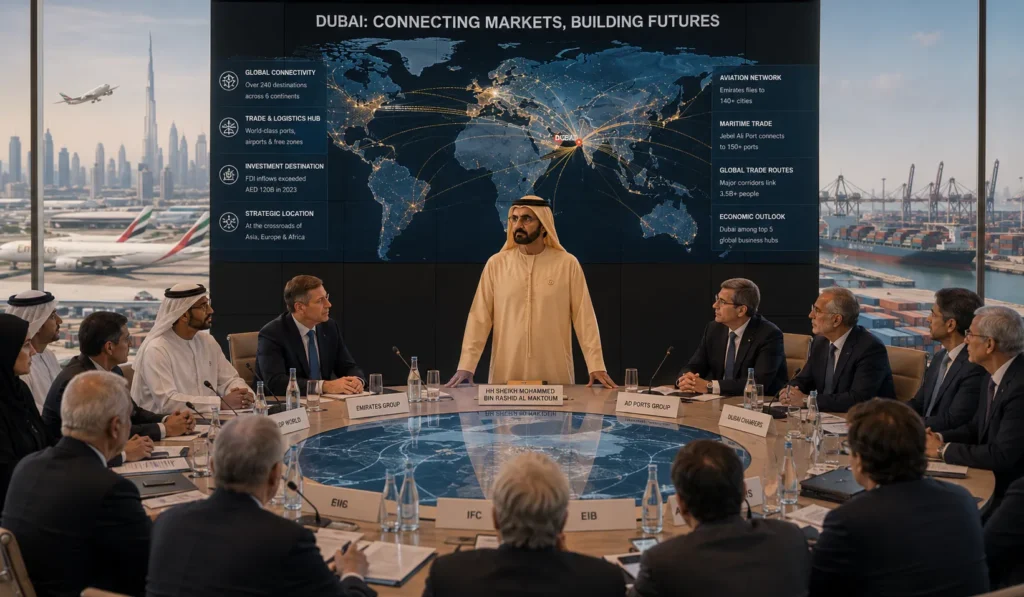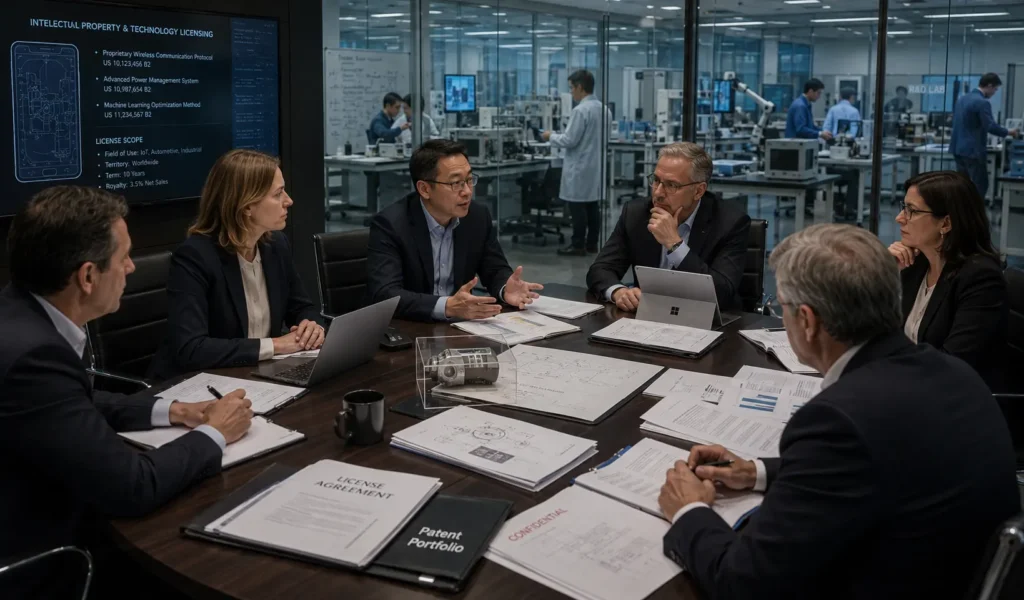
Since the signing of the Abraham Accords in 2020, the United Arab Emirates (UAE) and Israel have moved beyond diplomatic recognition into a deep, integrated security alliance. This partnership is now defined by two major pillars: the “Crystal Ball” cybersecurity platform and the military-industrial collaboration between the UAE’s EDGE Group and Israeli defense firms. Despite the regional pressures caused by the ongoing war in Gaza, the underlying technological and defense ties between these two nations remain robust and continue to expand.
Foundation of the Israel-UAE Security Alliance
The normalization of relations between the UAE and Israel began officially on September 15, 2020, with the U.S.-brokered Abraham Accords. While the initial focus was on diplomatic and economic ties, the relationship rapidly evolved into the security space. In November 2021, the U.S. Naval Forces Central Command conducted the first publicly acknowledged multilateral maritime exercise involving both UAE and Israeli forces in the Red Sea.
By September 2022, the UAE had already begun procuring advanced Israeli defense systems, including a $53 million contract for air force defense systems and the acquisition of the SPYDER mobile air-defense system. Shortly thereafter, in October 2022, the Israeli-made Barak air-defense system was deployed to the UAE. This sequence of events illustrates a clear timeline of increasing military trust and cooperation.
For investors, this trend of deep defense integration is worth watching. The partnership is not merely about buying and selling equipment but involves a strategic shift toward regional deterrence. This cooperation signals a move toward a U.S.-aligned, rather than U.S.-dependent, security model in the Gulf.
EDGE Group and the Hermes 900 Strategic Deal
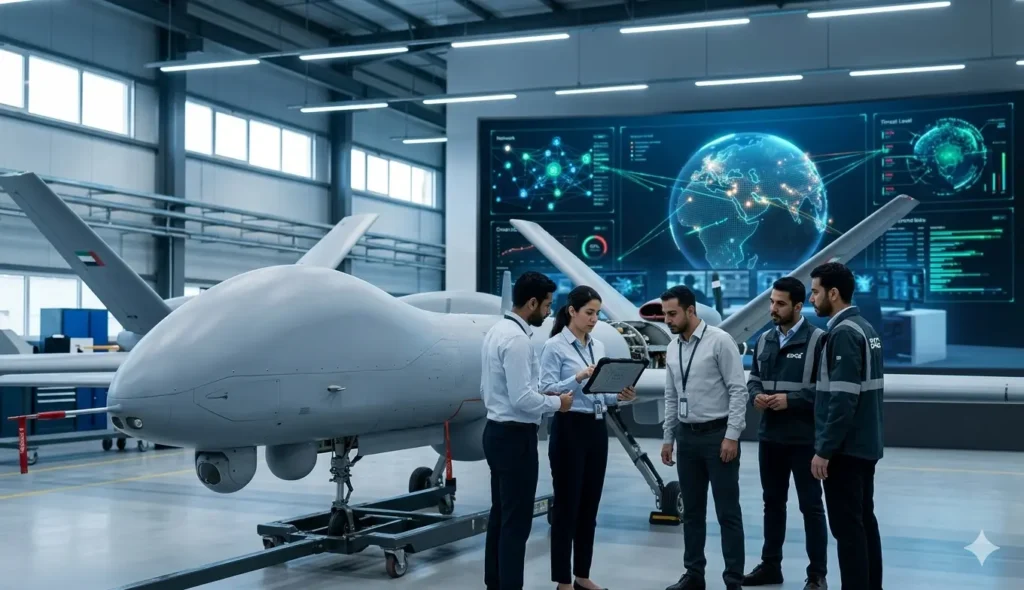
One of the most significant developments in this partnership is the collaboration between the UAE’s EDGE Group and the Israeli company Elbit Systems. The two entities are currently negotiating a major deal for the Hermes 900 unmanned aerial vehicle (UAV) system. This deal is a landmark event because it includes a phased technology transfer plan and localized production.
The Hermes 900 is a highly capable drone that can stay airborne for up to 30 hours. It reaches altitudes of 30,000 feet and can carry payloads of up to 660 pounds for missions involving surveillance, reconnaissance, and electronic warfare. By securing this deal, the EDGE Group aims to transform itself from a defense importer into a major regional manufacturer.
This strategic decision is a central part of the UAE’s 2025–2028 plan to strengthen its domestic defense sector. It demonstrates how the Abraham Accords have enabled sensitive technology transfers that were previously impossible. This shift not only bolsters the UAE’s capabilities but also expands Israel’s position in the Gulf defense market. In 2024, signatories of the Abraham Accords accounted for 12% of Israel’s total arms exports, which reached nearly $15 billion.
Related Article: UAE Cyber Pulse Initiative – National Cybersecurity Strategy
The Crystal Ball Platform for Cybersecurity
In the digital realm, the UAE and Israel have launched a multilateral threat intelligence platform known as “Crystal Ball”. This platform was developed through a collaboration between Microsoft, the Israeli company Rafael Advanced Defense Systems, and the UAE cybersecurity firm CPX. Crystal Ball was first announced in June 2023 at the “Cyber Week” event in Tel Aviv.
The platform is designed to help member countries of the Counter Ransomware Initiative (CRI) predict and thwart cyberattacks. It focuses on three key areas: attribution of attacks to their source, real-time deterrence through international cooperation, and cultivating a culture of information sharing.
Businesses should pay close attention to these changes in how regional states handle digital threats. The platform has already proven its value, with officials reporting that it helped defend against a significant distributed denial of service (DDoS) attack. Today, Crystal Ball serves over 60 partner countries, including the United States, Australia, and Japan.
Ransomware Threats and Regional Impact
Ransomware has become one of the top security concerns for both the UAE and Israel. In 2024, the UAE reported that 19 different ransomware groups were active within the state, an increase from 12 the previous year. One high-profile incident involved a disputed compromise of the UAE telecoms giant Etisalat (now e&) by the Lockbit ransomware group in early 2024.
Israel faces similar threats, particularly from Iran-linked groups that have been active since at least 2020. These groups often leak data not for payment, but to cause public disruption. Analysts have noted that these operations are often used to mask destructive influence from state actors.
The head of the UAE Cyber Security Council, Mohamed Al Kuwaiti, has stated that Israel is helping the UAE build a “cyber Iron Dome” to protect critical infrastructure. This cooperation is a practical response to the shared threat of state-sponsored cybercrime. Despite official claims that all ransomware attempts in the UAE were “successfully thwarted” in 2024, independent reports suggested a 32% increase in such incidents that same year.
The Influence of the Gaza War on Cooperation
The war in Gaza has introduced significant diplomatic challenges to the Israel-UAE relationship. Public backlash across the Arab world has forced the UAE to be more discreet about its cooperation with Israel. For example, UAE state news agencies often omit mentions of Israel when reporting on joint initiatives like the Crystal Ball platform.
However, while the public narrative has become more cautious, the underlying technical integration remains active. The UAE has not recalled its ambassador to Israel and has continued direct flights between the two countries throughout the conflict. In some sectors, the partnership has even expanded; for instance, in January 2025, EDGE Group bought a minority stake in an Israeli company specializing in anti-drone protection.
This dynamic is what researchers call “digital recognition”. It refers to how digital technologies and shared infrastructure create links between states that are difficult to undo once established. Even when diplomatic relations face public pressure, the shared reliance on platforms like Crystal Ball keeps the two nations strategically tied together.
Regional and Global Market Trends
The growing defense ties between the UAE and Israel have several major implications for the Middle East. Other Gulf nations, such as Saudi Arabia and Qatar, may eventually look at the EDGE Group‘s model of localizing defense production as a blueprint for their own industries. This could lead to a broader regional shift where nations reduce their dependence on traditional Western suppliers.
However, this cooperation also carries risks. It may increase Iran’s threat perception, potentially leading to higher tensions in the Gulf. Additionally, other members of the Gulf Cooperation Council (GCC), such as Kuwait and Oman, have taken a more cautious approach and may be concerned that deep bilateral ties with Israel could undermine a unified regional stance.
On a global scale, major powers like China and Russia view this growing alliance as a consolidation of a U.S.-led regional security architecture. While these powers are unlikely to change their engagement in the region immediately, they recognize that the UAE-Israel partnership limits their influence in the high-tech defense market.
Strategic Recommendations for the Future
For the Israel-UAE partnership to remain successful, both nations must navigate several challenges. The UAE will need to manage domestic concerns and public opinion regarding its ties with Israel. Increasing transparency and building confidence-building measures will be essential to alleviate regional anxieties.
Israel must continue to prove itself as a reliable defense supplier that respects technology security and long-term trust. For the United States, supporting this partnership serves as a proof of concept for a regional security model where local partners take more responsibility for their own defense.
This could shape the market in the coming months as more countries seek to join multilateral initiatives like the Counter Ransomware Initiative. The success of the EDGE Group and Elbit Systems deal will be a litmus test for how deep military-industrial collaboration can go under the framework of the Abraham Accords.
Frequently Asked Questions
Crystal Ball is a collaborative threat intelligence platform developed by the UAE, Israel, and Microsoft. It helps over 60 countries identify, deter, and share information about ransomware and other cyber threats.
The UAE’s EDGE Group is negotiating a major deal with Israel’s Elbit Systems for the Hermes 900 drone. This deal includes the transfer of technology and plans for the drones to be manufactured locally in the UAE.
No, but it has changed how the cooperation is presented to the public. While public announcements are now more cautious, private and technical cooperation in cybersecurity and defense continues to grow.
The Hermes 900 can fly for up to 30 hours at altitudes of 30,000 feet. It is used for surveillance, reconnaissance, and electronic warfare, and it can carry a payload of 660 pounds.
Digital recognition is a concept where states become strategically linked through shared digital infrastructure and cybersecurity challenges. These technical ties often make diplomatic relationships harder to break, even during political crises.
Yes, ransomware is a top cyber threat in the UAE, with 19 active groups identified in 2024. High-profile companies like Etisalat have been targeted by groups such as Lockbit.
The deal helps the UAE achieve its strategic goal of building a domestic defense industry. By manufacturing advanced drones locally via EDGE Group, the UAE moves from being a simple importer of weapons to a manufacturer of high-end technology.
The U.S. brokered the Abraham Accords and views the Israel-UAE partnership as a way to build a more independent and capable regional security framework that is aligned with American interests.

Daniel Carter covers UAE startups, venture capital, and AI innovation, delivering strategic, investigative reporting on emerging technology ecosystems.