
Industries shaping the Middle East and North Africa
The Middle East and North Africa is one of the most closely watched business regions in the world. Gulf governments have spent years steering their economies away from oil, and the numbers show it: the UAE’s non-oil economy grew 6.8% in 2025 to about AED 1.5 trillion, and Saudi Arabia’s non-oil activities grew 4.9% in the same year.
Money and ideas are moving fast. MENA startups raised a record $7.5 billion in 2025, according to Wamda, roughly $4 billion of it as debt, with fintech the largest sector. The UAE took in $48.2 billion of foreign direct investment, the ninth highest in the world, and its non-oil foreign trade passed AED 3.8 trillion for the first time.
2026 looks different. The war in the region and disruption to shipping through the Strait of Hormuz led the IMF to cut its 2026 growth forecast for the Middle East and Central Asia to 0.7%, from 3.9% in January, with a sharp rebound pencilled in for 2027 if conditions ease. Energy, aviation, tourism and logistics are more exposed than most. We show both the record 2025 figures and the 2026 risks, because readers deserve both.
The numbers behind the growth
Explore the industries
Choose an industry to see the companies, leaders, jobs and articles we list for it.
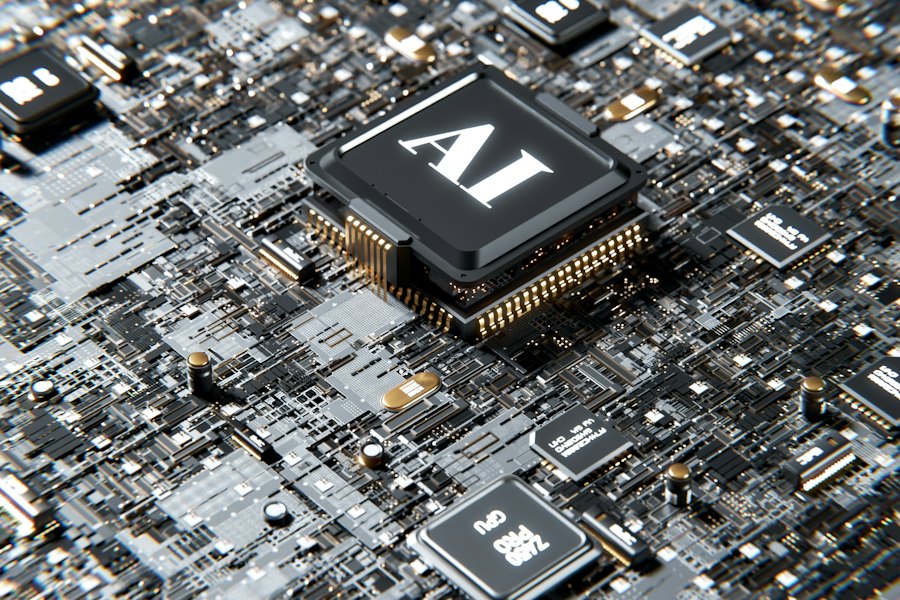 AIArtificial intelligence is a stated national priority in the UAE and Saudi Arabia, backed by new investment vehicles, data-centre projects and Arabic-language models. Our profiles follow the companies that build and fund it.3 companiesExplore
 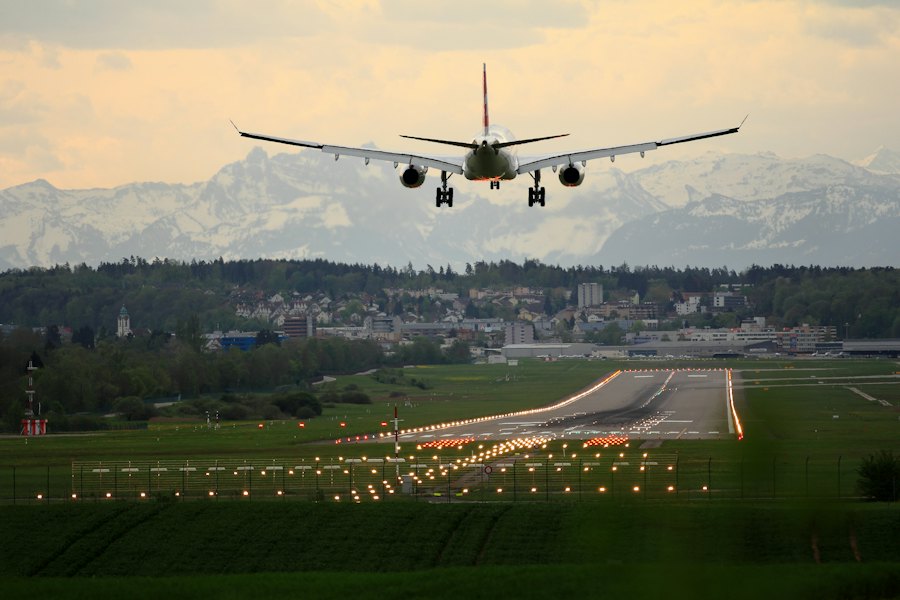 AviationDubai International handled a record 95.2 million passengers in 2025 and Etihad carried 22.4 million. Airlines, airports and maintenance firms are among the region's major employers.3 companiesExplore
  ConstructionConstruction was the fastest-growing UAE sector in 2025, up 11.1%, driven by housing, infrastructure and large projects across the region.1 companyExplore
  ConsultingAdvisory, legal, tax and business-services firms support growth in company formation, cross-border deals and compliance.1 companyExplore
  E-commerceOnline retail, grocery delivery and marketplaces are changing how the region shops, helped by widespread smartphone use and better delivery networks.Coming soonExplore
  EducationSchools, universities and training providers are growing with the regional population, and governments are courting international institutions and teachers.1 companyExplore
  Financial ServicesBanks, asset managers, insurers and sovereign investors anchor the region's capital markets. Finance and insurance grew 10.4% in the UAE in 2025.3 companiesExplore
 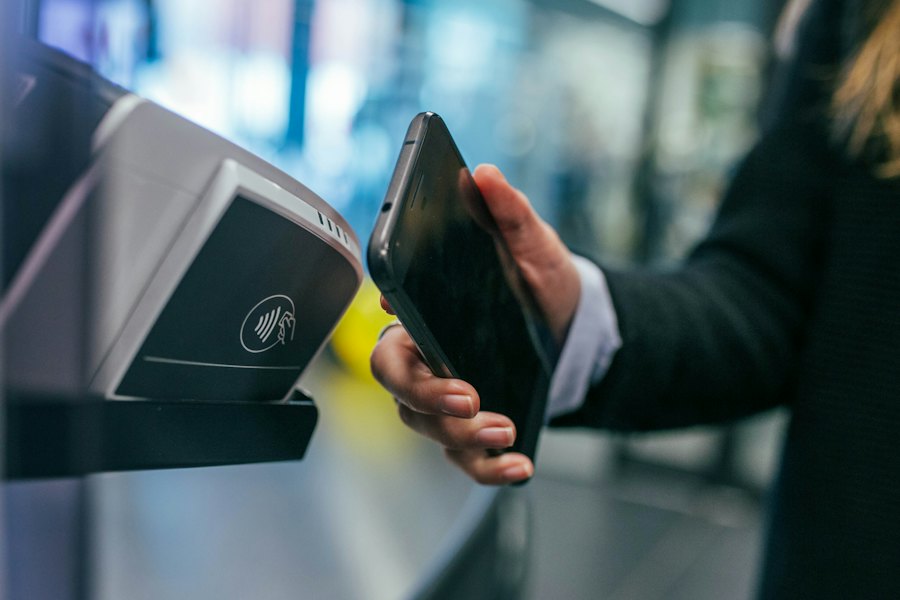 FintechPayments, digital banking, lending and stablecoin platforms. Fintech took the largest share of MENA startup funding in 2025, according to Wamda.2 companiesExplore
  Food & BeverageRestaurants, cloud kitchens, food technology and food-security programmes are drawing investment, including efforts to cut food waste.3 companiesExplore
  GovernmentGovernment entities and government-linked companies lead many of the region's largest projects, from digital services and cybersecurity to future-technology programmes.4 companiesExplore
 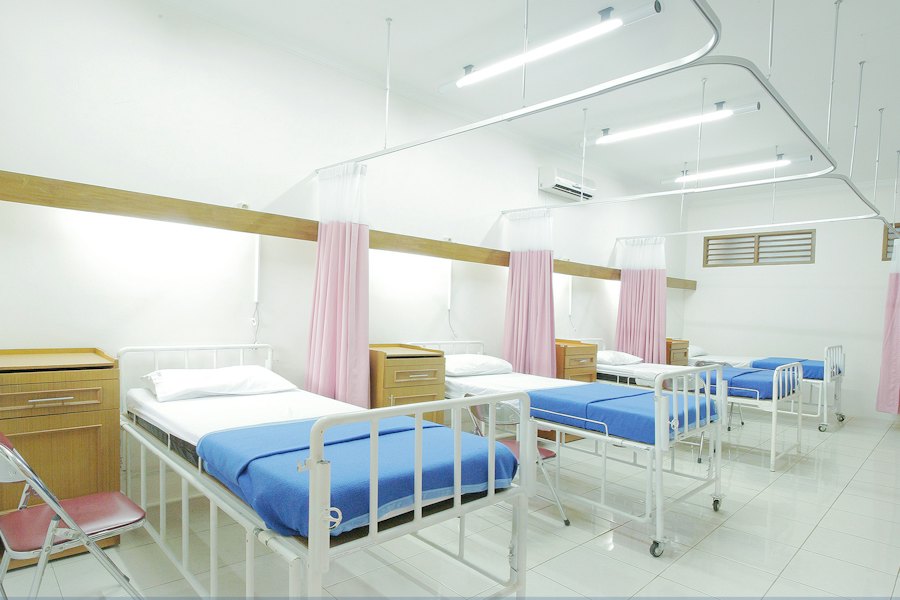 HealthcareHospitals, telehealth and health technology are expanding as populations grow and governments encourage private-sector capacity. Arabic-language digital health platforms such as Altibbi grew out of the region.2 companiesExplore
  HospitalityHotels, restaurants and leisure groups are expanding across the region, often starting in Dubai, Riyadh or Beirut and exporting their concepts to new markets.2 companiesExplore
 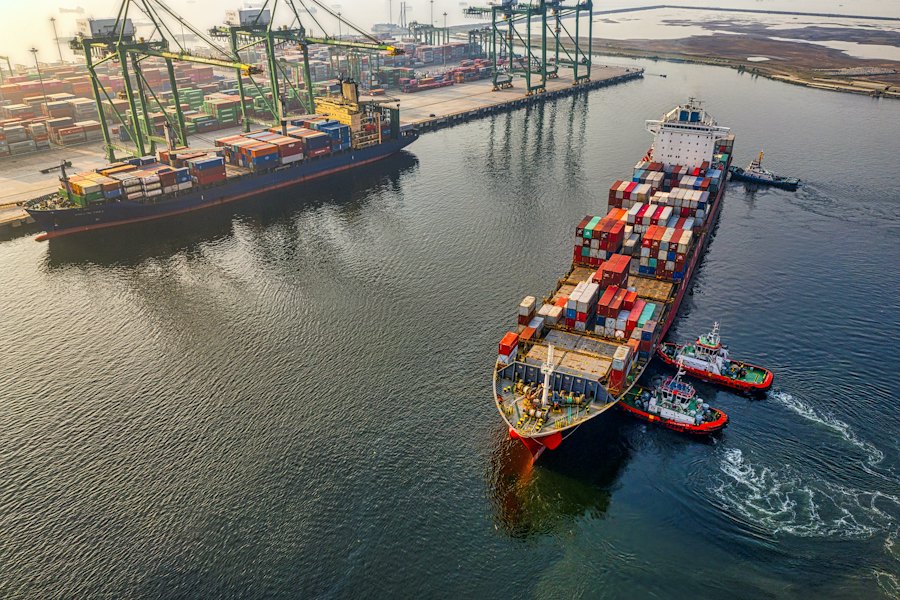 LogisticsPorts, free zones and airports make the Gulf a trading link between Asia, Africa and Europe. UAE non-oil foreign trade passed AED 3.8 trillion in 2025.Coming soonExplore
 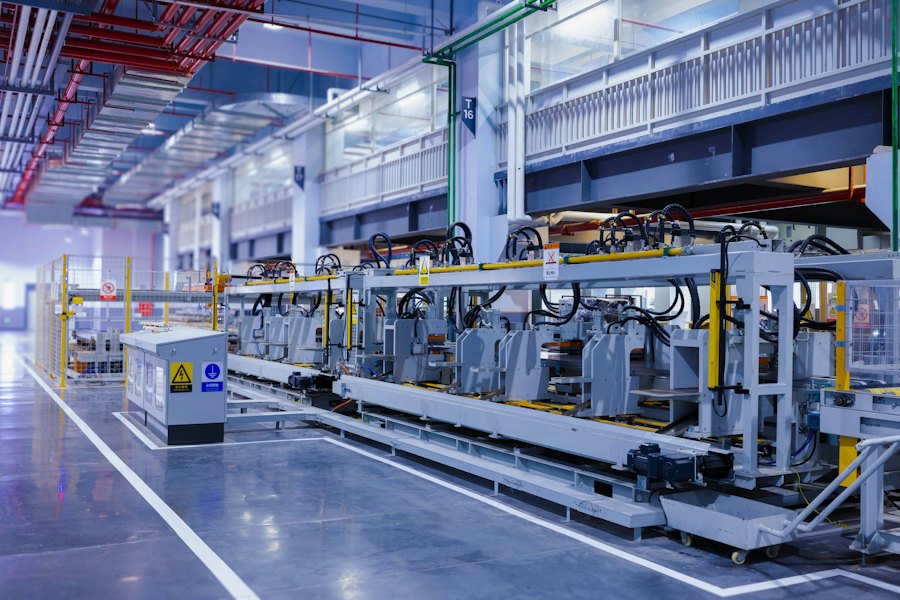 ManufacturingManufacturing made up about 12.8% of UAE non-oil GDP in 2025. Gulf producers are building positions in fertilisers, building materials, food and advanced industry.1 companyExplore
 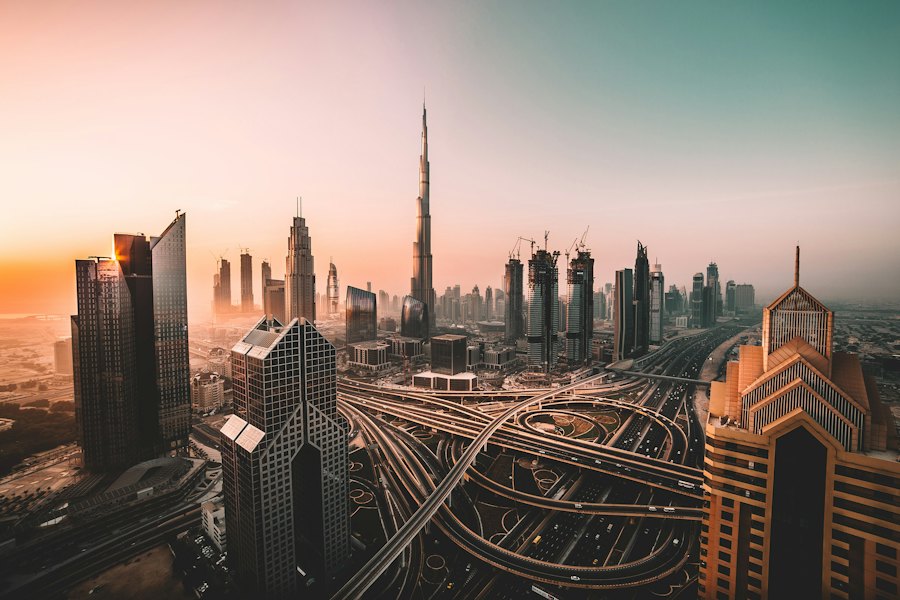 Real EstateDevelopment and property investment sit at the centre of the Gulf economy, from master-planned communities in Abu Dhabi and Dubai to giga-projects in Saudi Arabia. UAE real estate activity grew 7.9% in 2025.3 companiesExplore
 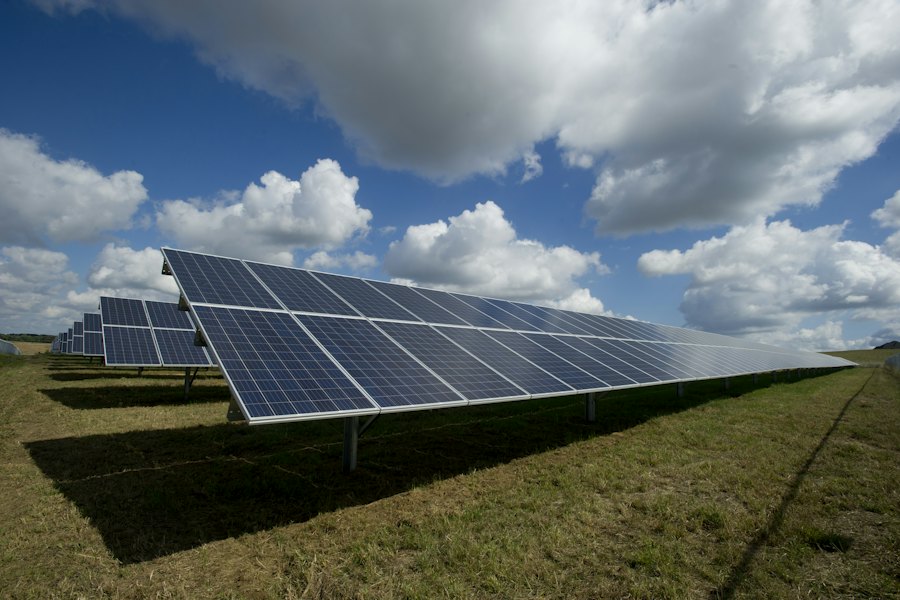 Renewable EnergySolar and low-carbon energy projects are growing as Gulf countries diversify their power mix and businesses look to cut costs and emissions, often by financing solar rather than buying it outright.1 companyExplore
  RetailMalls, hypermarkets and franchised brands remain a large part of the consumer economy, increasingly joined by loyalty programmes and online channels.2 companiesExplore
  TechnologySoftware, cloud, cybersecurity and digital services are growing across the Gulf as governments move public services online and companies modernise. Dubai, Abu Dhabi and Riyadh are the main hubs, and Egypt and Jordan are known for their engineering talent.7 companiesExplore
 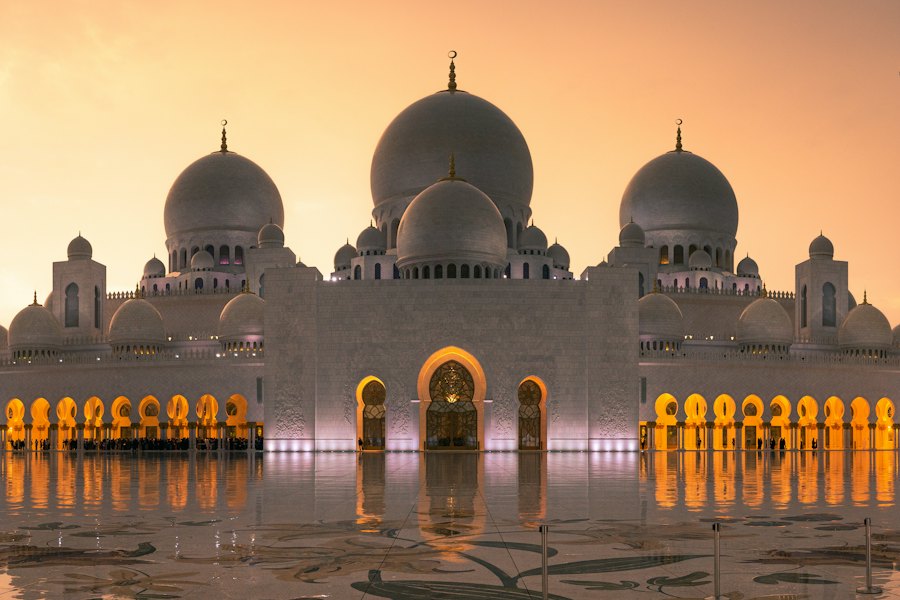 TourismTourism is a core diversification pillar. Abu Dhabi alone recorded 26.6 million visitors in 2025, and heritage, culture and events draw visitors across the region.1 companyExplore
 Is your business in one of these industries?
Add your company, your profile or a job for free, or ask us about a Verified badge.