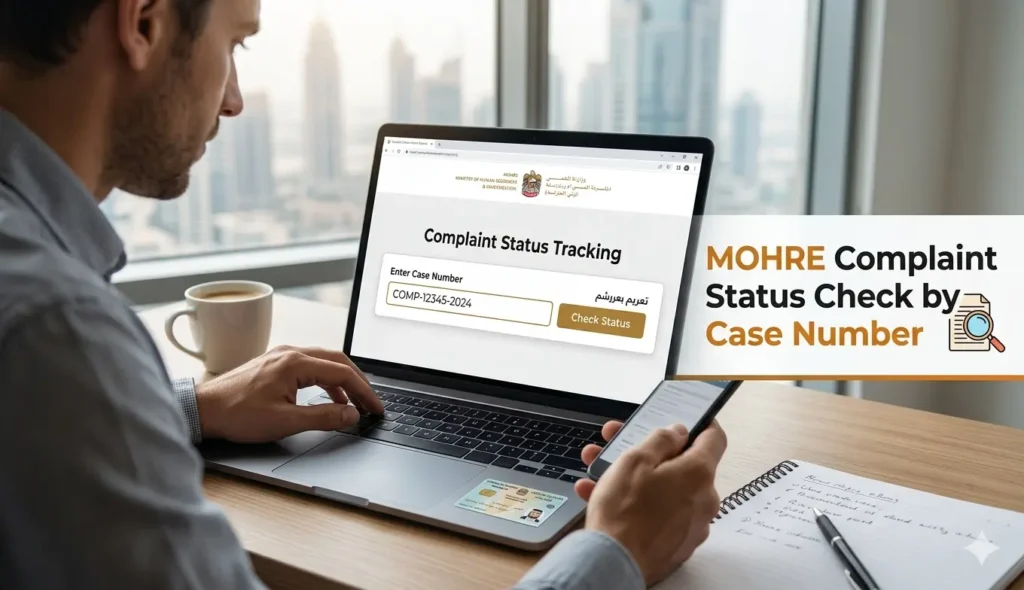
The United Arab Emirates has established itself as a global hub for business and talent. To maintain this reputation, the government has created a sophisticated legal framework to manage the relationship between employers and employees. At the heart of this system is the Ministry of Human Resources and Emiratisation (MOHRE), the primary body in charge of labour management in the UAE.
The nuances of labour compliance and dispute resolution is no longer optional for businesses or workers. As the UAE continues to modernize its economy, the ministry has introduced digital tools and clear regulations to ensure fairness and transparency. For investors and businesses, staying compliant with these rules is essential for long-term success.
MOHRE Stands at the Center of UAE Labour Regulation
The Ministry of Human Resources and Emiratization (MOHRE) regulates contracts, monitors workplace rights, and oversees fair hiring practices. It serves as the governing authority for the UAE mainland, enforcing labour laws and handling disputes between parties.
The cornerstone of modern labour relations in the UAE is Federal Decree-Law No. 33 of 2021. This comprehensive law defines the rights and obligations of both employers and employees, covering everything from working hours and leave entitlements to end-of-service benefits and transparent dispute resolution mechanisms.
Through various enquiry services, MOHRE allows users to review work permits, track complaints, and confirm wage payments. These services ensure transparency, protect workers, and help businesses stay aligned with national regulations.
Related Article: Is Trust Infrastructure the Real Future of Hiring?
Why Did the UAE Modernize Its Labour System?
The UAE has undergone a significant transformation in its approach to labour rights. Previously known as the Ministry of Labour, the transition to MOHRE signaled a broader focus on human resources and the integration of UAE nationals into the private sector (Emiratization).
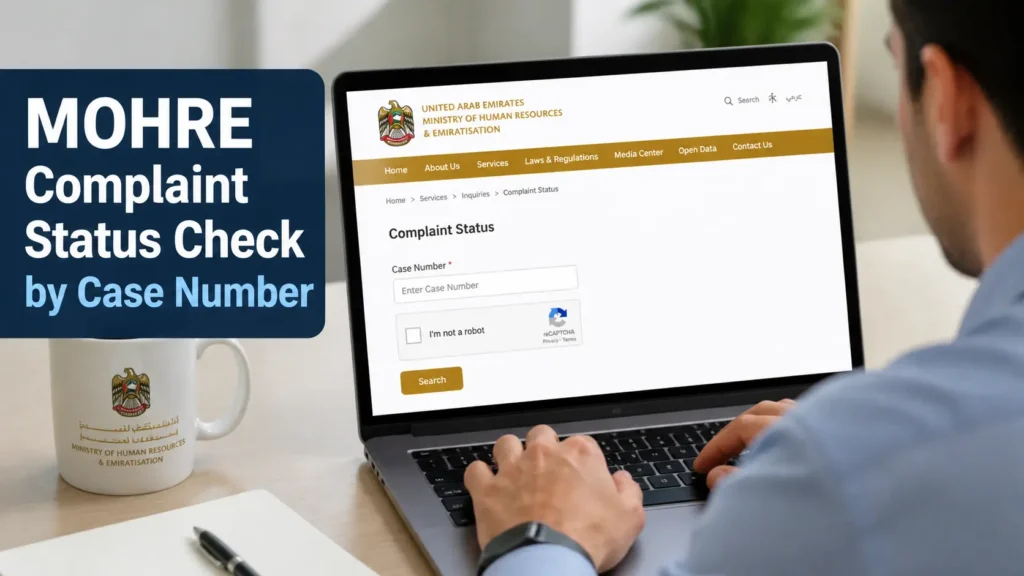
Key historical and regulatory milestones include:
- Federal Decree-Law No. 33 of 2021: This law replaced older regulations to create a more flexible and competitive labour market.
- The Wage Protection System (WPS): An electronic system that tracks salary payments in real-time to ensure employees are paid on time.
- Expansion of Jurisdiction (2023-2024): New amendments gave MOHRE the authority to issue final binding decisions on disputes with a value of AED 50,000 or less.
- Digital Transformation: By 2026, almost all labour services, from contract downloads to complaint tracking, have been fully digitized.
Businesses should pay close attention to these regulatory shifts to avoid operational disruptions.
The Wage Protection System (WPS) — A Strategic Tool for Market Stability
The Wage Protection System (WPS) is a vital electronic platform that guarantees employees receive their salaries through approved banks and financial institutions. This system allows MOHRE to monitor payments in real-time and detect delays immediately.
Impact of WPS on the Labour Market:
- Real-Time Alerts: If a company misses a payment, the system alerts the ministry automatically.
- Penalties for Non-Compliance: Employers who delay wages face administrative fines and may be blocked from hiring new employees until the issue is resolved.
- Transparency: Employees can check their WPS salary records through MOHRE enquiry services to confirm they are receiving their full pay.
In one real-world case, a security company in Dubai failed to pay staff for two months. Through WPS reporting, MOHRE intervened and ensured all overdue salaries were paid within one week. This level of oversight makes the UAE labour market one of the fairest in the region.
UAE Law Clearly Defines When Complaints Can Be Filed
While the goal of the UAE government is to foster amicable relationships, disputes are sometimes unavoidable. Employees have the right to file a complaint if their employer violates the stipulations of Federal Law.
Typical reasons for filing a complaint include:
- Delayed or Unpaid Salaries: Failure to pay wages on time as recorded in the WPS.
- Contract Breaches: When the employer does not follow the agreed-upon job title, salary, or terms.
- Unfair Termination: Sudden or unlawful dismissal without proper notice or justifiable cause.
- Illegal Passport Retention: Holding an employee’s passport is a violation of UAE law.
- End-of-Service Dues: Failure to pay gratuity, leave pay, or final settlements upon resignation or termination.
- Workplace Safety: Failure to provide a safe working environment or health insurance.
For employees, knowing these rights is the first step toward workplace protection.
How Do You File a Complaint with MOHRE?
The UAE has simplified the complaint process to make it accessible to everyone, including non-native English speakers. The process is entirely digital, meaning there is often no need to visit a physical office initially.
Step 1: Preparation
Before filing, gather all necessary evidence. This includes your Emirates ID, labour contract, pay slips, bank statements, and any written communication (emails or messages) regarding the dispute.
Step 2: Choose Your Channel
You can file a complaint through several official channels:
- MOHRE Website: Use the eServices section to register your complaint.
- Mobile App: Download the official MOHRE app for filing and tracking on the go.
- Call Centre: Call the Labour Claims & Advisory hotline at 800 84 or the general inquiry number at 600 590 000.
- Service Centres: Visit a Tasheel or Twa-fouq centre for in-person assistance with documents.
Step 3: Submission and Mediation
Describe the issue clearly and attach your supporting documents. Once submitted, you will receive a case or complaint number. A legal advisor from a Twa-fouq centre will typically contact both parties within 72 hours to 14 days to attempt an amicable settlement.
What Is the AED 50,000 Rule in Labour Cases?
The complexity and outcome of a case often depend on the monetary value of the claim. Recent regulations have streamlined how smaller claims are handled.
- Claims of AED 50,000 or Less: MOHRE now holds the final executive authority to issue a binding decision on these cases. This prevents small disputes from clogging the court system and ensures faster resolution.
- Claims Exceeding AED 50,000: If mediation fails for larger claims, the case is referred to the Labour Court.
- Court Fees (The AED 100,000 Rule): Workers (or their heirs) are generally exempt from court fees for claims valued under AED 100,000. For claims above this amount, fees may apply.
This tiered system helps resolve the majority of disputes through conciliation within 14 days.
How to Track Your MOHRE Case Status?
Once a case is filed, staying informed is critical. The ministry provides multiple ways to monitor the progress of your application 24/7.
Digital Tracking Methods:
- Inquiry Portal: Visit inquiry.mohre.gov.ae and enter your transaction or complaint reference number.
- Mobile App Alerts: Enable push notifications to receive real-time updates on your phone.
- SMS Notifications: The ministry sends instant alerts to your registered mobile number.
What Your Case Status Means:
- Registered: The complaint has been officially received.
- Under Review: Officials are currently assessing the evidence.
- Mediation Scheduled: A meeting has been set to attempt an amicable settlement.
- Referred to Legal Dept: The case requires further investigation or a formal hearing.
- Escalated to Court: The case has been sent to the Labour Court for a final judgment.
Regular monitoring ensures you do not miss deadlines for providing additional information.
Interesting Article: End of Service Calculator UAE Unlimited Contract
Why Some Businesses Never Face Labour Disputes?
For business owners and HR managers, labour compliance is a daily operational necessity. Many companies only use MOHRE systems when a problem occurs, which is a significant risk management error.
Proactive Compliance Strategies:
- Regular Enquiry Checks: Use the MOHRE Fine Enquiry service monthly to detect any administrative penalties early.
- Contract Verification: Ensure that digital contracts in the MOHRE system match the terms agreed upon with the employee to prevent future disputes.
- WPS Accuracy: Submit payroll files on time and avoid illegal deductions for things like uniform or visa costs.
- Renewal Monitoring: Use the Work Permit Enquiry tool to track visa and permit expiry dates.
Ignoring these services can lead to heavy financial penalties and damage a company’s reputation. In Dubai, filing a labour dispute case in court can start at costs around AED 5,000 for the employer if mediation fails.
The Labour Market Still Faces Operational Challenges
Despite the robust system, certain challenges remain for both parties in the labour market.
Risks for Employees:
- Statute of Limitations: Complaints must be submitted within two years of the violation date. Claims raised after this period may not be accepted.
- Legal Translation: Any documents not in Arabic or English must be translated by an approved legal translator before they can be used in court.
Risks for Employers:
- Absconding Claims: If an employer files a false “runaway” claim against a worker to avoid paying dues, they face serious legal repercussions.
- Misclassification: Labeling workers incorrectly to deny them benefits is a common violation that results in fines.
Staying updated on new government circulars is vital.
Technology Is Transforming Labour Relations
The future of the UAE labour market is clearly digital and data-driven. The government continues to integrate services into a single “smart” ecosystem, reducing the need for physical paperwork.
What to expect in the coming months:
- Increased Use of AI: More automated mediation and investigation tools are likely to be introduced to speed up the resolution of small claims.
- Expansion of the ILOE Program: The Involuntary Loss of Employment (ILOE) insurance provides a safety net for workers, offering up to 60% of their basic salary for three months if they lose their jobs.
- Sustainability and Welfare: Greater focus on workplace environment standards, especially during the summer months with strict midday break enforcement.
This trend toward transparency and worker welfare is worth watching for all market participants.
FAQs — Frequently Asked Questions
Filing a complaint through MOHRE’s mediation and inquiry services is free of charge. However, if the case is not resolved and moves to the Labour Court, fees may apply for claims exceeding AED 100,000.
Yes, you can check your contract status and download a digital copy through the MOHRE website or mobile app using your Emirates ID or passport details.
If a case is resolved during mediation, it typically takes 7 to 14 working days. If the case is escalated to court, it may take 2 to 8 weeks depending on the complexity.
Holding a worker’s passport is illegal in the UAE. You can file a complaint with MOHRE, and they will intervene to ensure the passport is returned.
In some instances, employees may be eligible for a temporary work permit while their case is under review in court, subject to MOHRE approval and specific legal conditions.
A complaint must be filed within two years from the date the violation occurred.
Yes, but you must first follow the specific dispute resolution process of your Free Zone Authority (e.g., DIFC or ADGM) before the case can be escalated to MOHRE or the courts.
Under UAE law, disciplinary actions range from written warnings and salary deductions (up to 5 days per month) to suspension without pay or termination, depending on the severity of the misconduct.

Dwayne Paschke is a seasoned content strategist and AI automation specialist with over nine years of experience at the intersection of journalism and digital innovation. A versatile force in the media landscape, Dwayne has built a reputation as an expert content writer and investigative journalist, contributing high-impact pieces to various reputable news websites.