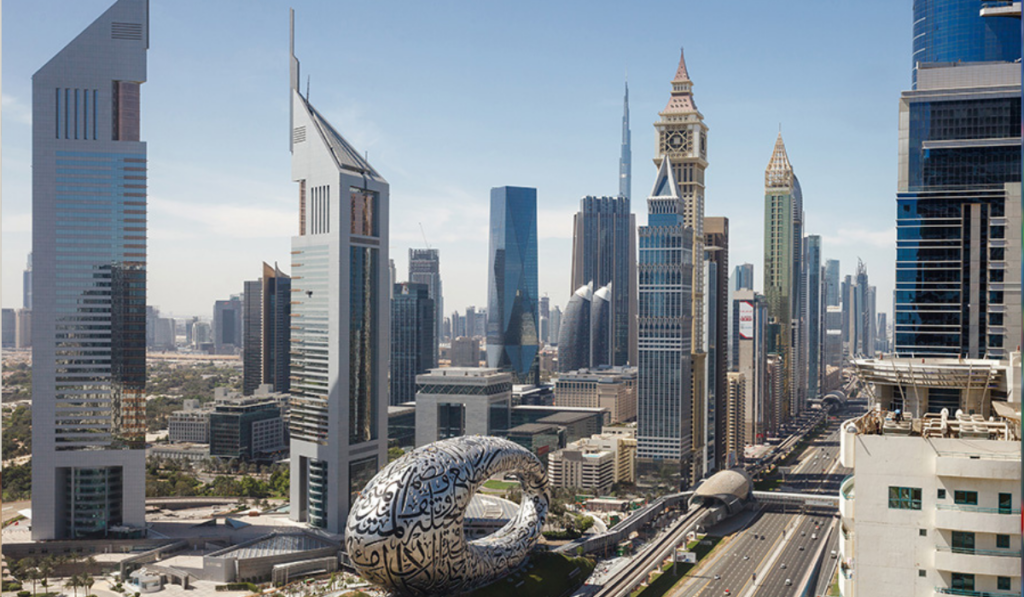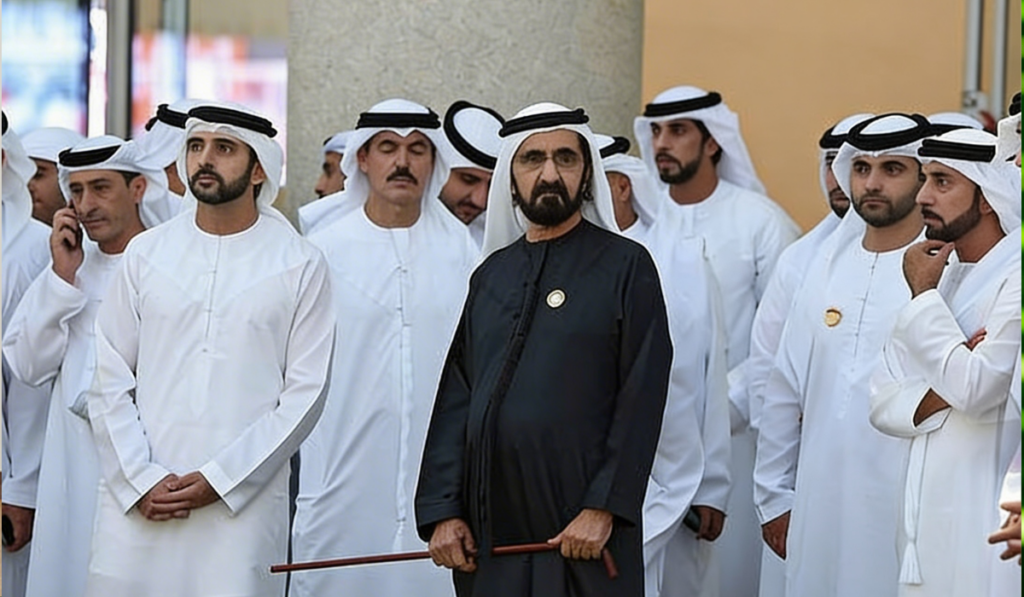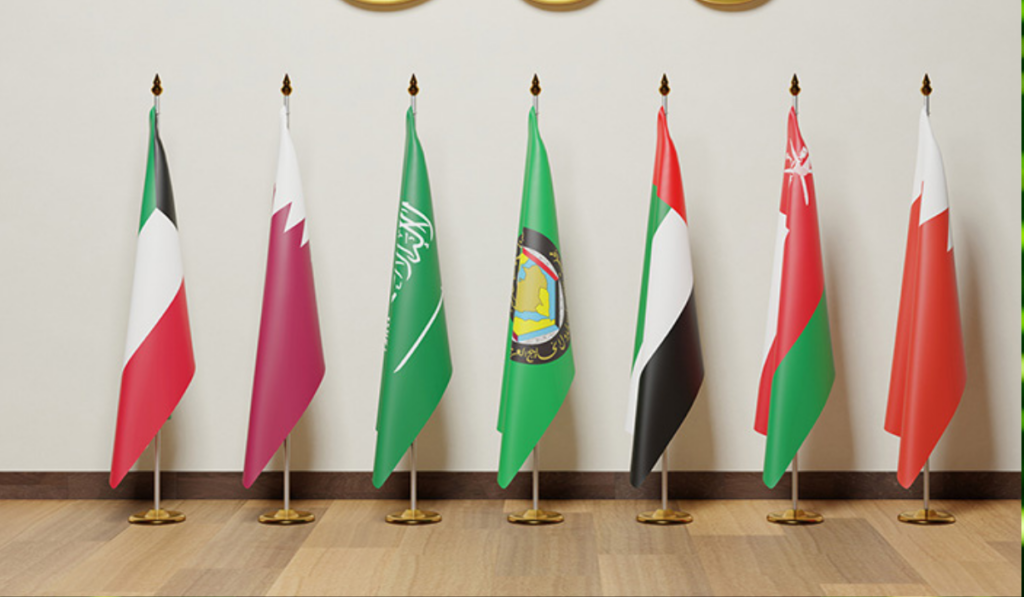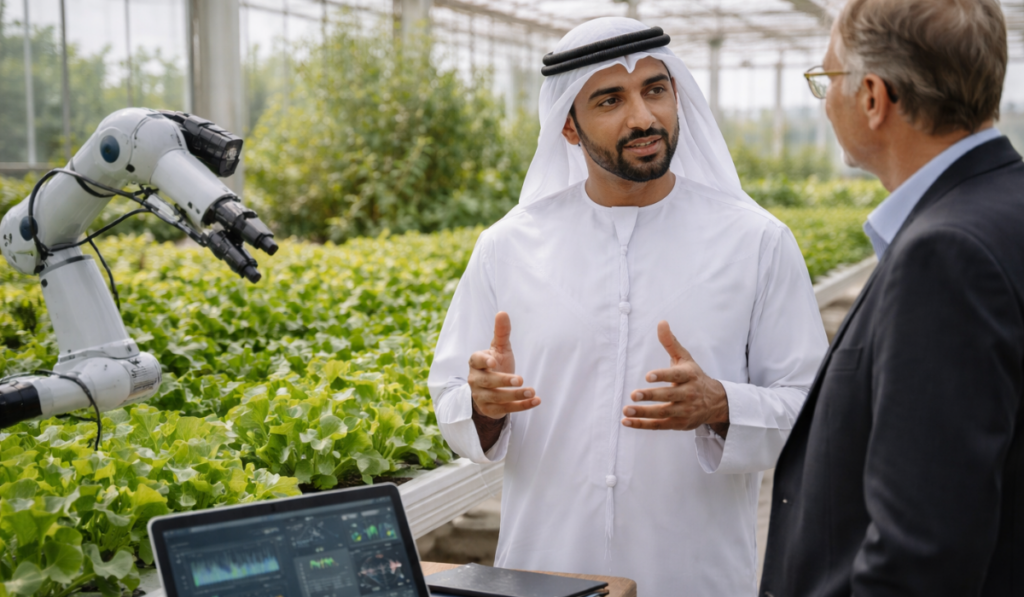
At Abu Dhabi’s Emirates Palace this week, a high-level meeting between Bill Gates and Mariam Almheiri, Head of International Affairs at the UAE Presidential Court, signaled something larger than a technology showcase. It marked a strategic deepening of the UAE’s long-term bet on AI-powered agriculture as a tool for climate resilience and global food security.
The event builds on the $200 million partnership announced during COP28 in December 2023, when the UAE and the Bill & Melinda Gates Foundation committed to accelerating agricultural innovation aimed at protecting vulnerable food systems. The funding focuses primarily on supporting smallholder farmers in sub-Saharan Africa and South Asia — regions disproportionately affected by climate volatility.
AI Meets Food Security
Food insecurity is increasingly being framed not only as a humanitarian issue, but as a geopolitical and climate risk. According to the Food and Agriculture Organization of the United Nations (FAO), climate-related disruptions continue to threaten crop yields, livestock production, and rural livelihoods globally.
The UAE-Gates collaboration aims to address this through scalable, AI-enabled solutions. A central partner in the effort is CGIAR (Consultative Group on International Agricultural Research), a global research alliance focused on improving food systems and agricultural sustainability.
By aligning capital, policy influence, and emerging technologies, the partnership is attempting to bridge the gap between laboratory research and field-level implementation.
Battling the Red Palm Weevil
One of the most urgent projects highlighted during the Abu Dhabi event targets the destructive red palm weevil — a pest responsible for an estimated $2 billion in annual losses across 49 countries.
According to experts from the International Center for Biosaline Agriculture (ICBA), the weevil can destroy a mature date palm within months. Millions of trees across the Middle East, Asia, and parts of Europe have already been affected.
A new consortium involving UAE institutions, the Gates Foundation, the International Center for Agricultural Research in the Dry Areas (ICARDA), and CGIAR is being formed to quantify the economic and environmental impact of the pest and develop coordinated countermeasures.
Technologies under evaluation include:
- Drone-based early detection systems
- AI-powered monitoring analytics
- Smart pheromone and gel traps
- Data-driven pest management protocols
The Abu Dhabi Agriculture and Food Safety Authority (ADAFSA) has already treated more than two million palm trees this year, according to state agency WAM, demonstrating the scale of the threat.
AgriLLM: Turning Research Into Action
Another flagship initiative unveiled was AgriLLM — an effort to fine-tune Abu Dhabi’s open-source Falcon large language model, developed by the Technology Innovation Institute (TII), for agricultural use.
The goal: transform complex scientific research into accessible, real-time advice for farmers.
Agricultural advisory services remain severely under-resourced in many developing economies. In some regions, one extension officer may serve thousands of farmers. Climate change has further complicated decision-making, introducing new pest patterns, unpredictable rainfall, and soil degradation challenges.
By integrating agricultural datasets into Falcon, AgriLLM aims to deliver:
- AI-driven pest control guidance
- Hyper-local weather adaptation advice
- Crop selection and soil management insights
- Market and yield forecasting support
The initiative is being developed in collaboration with CGIAR, the Gates Foundation, FAO, and the International Fund for Agricultural Development (IFAD).
The broader ambition is clear: ensure AI does not widen inequality between technologically advanced and resource-limited farming communities.
Strategic Implications for the UAE
For the UAE, this partnership reinforces its positioning as a global AI hub beyond finance and urban technology. Agriculture — particularly in arid climates — represents both a domestic and international priority.
The country has already invested heavily in food security strategies and agri-tech innovation. By leveraging AI platforms like Falcon and aligning with global foundations, the UAE is exporting technological capability as part of its broader economic diversification strategy.
This also aligns with the Emirates’ long-term sustainability objectives, integrating climate adaptation, digital transformation, and international development into one coordinated framework.
Why This Matters
AI in agriculture is no longer experimental. It is rapidly becoming infrastructure.
As climate pressures intensify and global food systems face disruption, scalable digital advisory tools and precision agriculture technologies could determine whether vulnerable farming communities thrive or collapse.
The UAE-Gates partnership reflects a shift from pilot projects to systemic interventions — combining capital, artificial intelligence, and institutional networks to address food resilience at scale.
If successful, these initiatives may not only protect crops, but redefine how agricultural knowledge flows globally in the AI era.