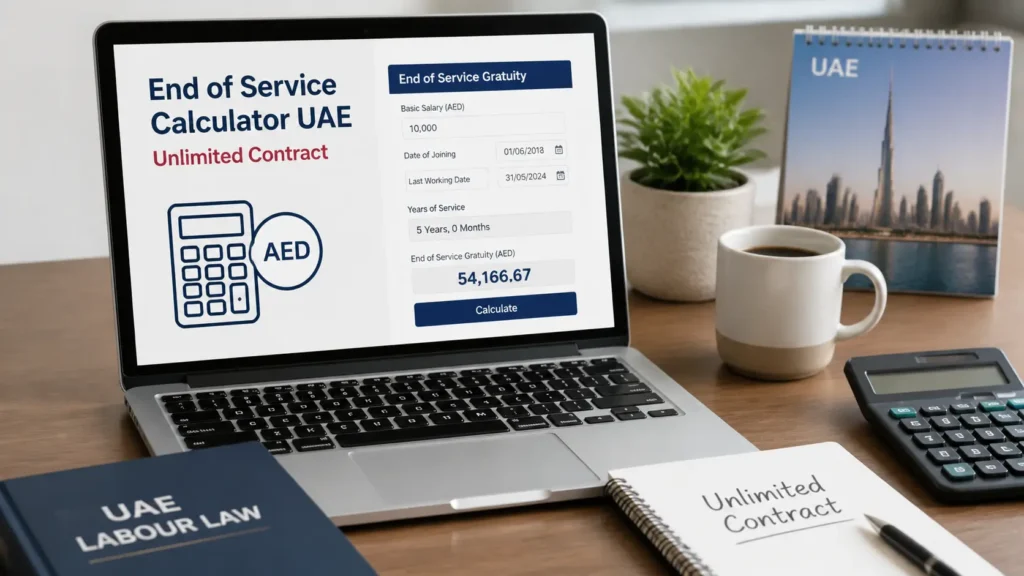
The United Arab Emirates continues to solidify its position as a premier global destination for talent and business, making the understanding of end-of-service benefits (EOSB) more critical than ever. For the millions of expatriates and thousands of employers operating across the seven Emirates, the gratuity system is not merely a legal requirement but a fundamental pillar of financial security and workforce stability. As the nation’s economy diversifies and labour regulations evolve, navigating these financial waters requires precision and a deep understanding of the current legal framework.
What Changed in UAE Labour Laws After 2021?
The employment in the UAE underwent a seismic shift with the introduction of Federal Decree-Law No. 33 of 2021, which replaced the long-standing 1980 regulations. This modernized law, which came into full effect in 2022 and remains the standard in 2026, was designed to enhance the flexibility and competitiveness of the UAE’s labour market. One of the most significant changes was the standardization of employment contracts and the simplification of how end-of-service benefits are calculated.
Historically, the UAE labour market was divided between “limited” and “unlimited” contracts, each with vastly different rules for resignation and termination. The 2021 law mandated that all employees transition to fixed-term (limited) contracts, providing a more predictable environment for both parties. This transition ensures that workers’ rights are protected regardless of the specific nature of their exit from a company, provided they have completed the minimum service requirements.
Under the current regime, the end-of-service gratuity is defined as a one-time lump-sum payment awarded to an employee at the conclusion of their service. It serves as a token of appreciation for the services rendered and acts as a financial cushion for those transitioning between jobs or relocating. For businesses, this trend is worth watching as it impacts long-term liability management and cash flow planning.
Also Read: Calo’s Case Study in Customer-Obsessed Culture and Rapid Scaling
UAE Gratuity Laws Clearly Define Who Is Eligible
To be eligible for gratuity in the UAE private sector, an employee must have completed at least one year of continuous service with their employer. This one-year threshold is a hard requirement; leaving a position before 365 days of service generally results in the forfeiture of all gratuity rights. It is important to note that “continuous service” includes periods of authorized leave, but specifically excludes days of unpaid absence.
The law primarily applies to expatriate workers in the private sector. UAE nationals and GCC citizens are generally excluded from traditional gratuity provisions because they are covered by mandatory national pension and social security schemes. However, recent updates have introduced voluntary schemes that may allow Emiratis to participate in alternative end-of-service benefits systems under specific conditions.
Furthermore, eligibility can be affected by the circumstances of a worker’s departure. For instance, an employee dismissed under Article 120 of the UAE Labour Law for gross misconduct—such as fraud, assault, or serious breach of safety protocols—may lose their entire entitlement to gratuity. Similarly, resigning without providing the legally required notice period could potentially lead to deductions or legal disputes, although the 2021 law has made the calculation itself more uniform.
Interesting Article: Mohamed Alabbar Emaar’s Founder Billion-Dollar Vision That Transformed Dubai
What Is the 21-Day and 30-Day Rule?
The math behind a UAE gratuity payout is based on the employee’s last drawn basic salary and their total years of service. It is a common misconception that the total gross salary is used; in reality, all allowances—such as housing, transportation, and utilities—are excluded from the calculation foundation.
The calculation follows a tiered structure:
- First Five Years: For each year of service between one and five years, the employee is entitled to 21 days of basic salary.
- Beyond Five Years: For every year served beyond the initial five-year mark, the entitlement increases to 30 days of basic salary per year.
To find the daily wage, the monthly basic salary is divided by 30. For example, if an employee with a basic salary of AED 10,000 leaves after three years, their daily wage is AED 333.33. Their annual gratuity is AED 7,000 (21 days × AED 333.33), leading to a total payout of AED 21,000. If that same employee stayed for seven years, they would receive 21 days’ pay for the first five years and 30 days’ pay for the remaining two years.
However, the law imposes a strict ceiling: the total gratuity amount cannot exceed two years’ (24 months) worth of basic salary. This cap applies regardless of whether the employee has served 10 years or 40 years, ensuring that the burden on employers remains manageable while providing a significant payout for long-term staff. Businesses should pay close attention to these changes to avoid over-provisioning or under-funding their liabilities.
Employees Now Receive Fairer Gratuity Settlements
By 2026, the transition from unlimited to limited contracts across the UAE is effectively complete, fundamentally changing the risk profile for workers. Previously, resigning from an unlimited contract before five years of service triggered a “resignation reduction,” where workers might only receive 1/3 or 2/3 of their calculated gratuity.
Under the new fixed-term contract regime, these reductions have largely been abolished. An employee who resigns after two years on a modern limited contract is now entitled to the full 21 days of pay per year, whereas under the old system, they might have only received seven days’ pay per year. This shift has significantly increased the final settlements for short-term and mid-term expatriate workers.
For employers, this change necessitated a re-evaluation of their end-of-service provisions. The predictability of fixed-term contracts allows for better financial forecasting, but the removal of resignation reductions means that the average cost per departure has risen. How are companies adapting to these increased costs in a competitive market? Many are turning to automated payroll systems and dedicated gratuity calculators to ensure 100% compliance and avoid costly legal disputes.
Employers Are Moving Toward Fund-Based Gratuity Systems
In a bold move to modernize the retirement landscape, the UAE Ministry of Human Resources and Emiratisation (MoHRE) launched the “Savings Scheme” as an optional alternative to the traditional lump-sum gratuity system. This scheme represents a pivot from “gratuity as a debt” to “gratuity as an investment”.
Employers who opt into this scheme contribute monthly to an investment fund instead of holding a future liability on their balance sheets. The contribution rates are fixed: 5.83% of the monthly basic salary for employees with less than five years of service, and 8.33% for those with more than five years. These funds are then invested in various portfolios, including capital-guaranteed options for unskilled workers and Sharia-compliant funds for those seeking ethical investments.
The benefits of the Savings Scheme are multi-fold:
- For Employees: It protects their entitlements from employer insolvency or bankruptcy, offers potential investment returns, and allows for additional voluntary contributions up to 25% of their total wage.
- For Employers: It converts a large, unpredictable future liability into a steady, manageable monthly operating expense.
- For the Economy: It channels significant capital into the UAE’s financial markets, supporting national economic growth.
This could shape the market in the coming months as more free zones and large enterprises adopt the “DIFC-style” investment models for their entire workforces.
Which Country Offers Better End-of-Service Benefits?
For multinational corporations operating across the Gulf, understanding the differences between the UAE and Saudi Arabian gratuity systems is vital for regional compliance. While both nations mandate end-of-service pay, the underlying formulas and philosophies differ substantially.
A primary difference is the “wage basis”. The UAE calculates gratuity solely on the basic salary, excluding all allowances. In contrast, Saudi Arabia uses the “actual wage,” which includes basic salary plus fixed allowances like housing and transportation. This often means that a worker in KSA with the same total package as a worker in the UAE will receive a significantly higher gratuity payout.
Furthermore, Saudi Arabia still maintains tiered reductions for voluntary resignations. A worker resigning in KSA with less than two years of service receives nothing, and those with two to five years only receive one-third of the full amount. The UAE has moved away from this model, generally granting full entitlements after one year of service regardless of whether the exit was a resignation or a termination. Additionally, while the UAE caps gratuity at 24 months of pay, Saudi Arabia has no statutory cap, potentially leading to much larger payouts for very long-term employees in the Kingdom.
Also Read: Behavioral AI Is Redefining Hiring — And Sarah Lucena Is Betting on Compatibility Over Credentials
Mismanaging Gratuity Can Trigger Legal Disputes
Despite the simplified laws, the path to a final settlement is often fraught with administrative challenges and potential legal pitfalls. One of the most common risks is the miscalculation of the service period. Employers must be diligent in deducting unpaid leave days, as failing to do so can result in overpayment, while over-deducting can lead to labour complaints at MoHRE.
Timeliness is another critical factor. Federal Decree-Law No. 33 mandates that all end-of-service entitlements—including gratuity, accrued leave pay, and any final salary—must be paid within 14 days of the contract’s termination. Failure to meet this deadline can result in stiff penalties and legal action.
Employers do have the right to make certain deductions from the gratuity. If an employee owes money to the company—such as for advanced salary, loans, or documented damages—the employer can subtract these amounts from the final payout. However, these deductions must be lawful and supported by evidence to avoid being overturned in a labour court.
Businesses Are Moving Toward Transparent Gratuity Systems
For employees, planning a departure is a strategic financial decision. Because the gratuity rate increases significantly after five years—moving from 21 days to 30 days per year—the timing of a resignation can mean a difference of thousands of Dirhams. Experts suggest that employees should use online gratuity calculators to model different departure dates and understand the impact on their final settlement.
For businesses, the trend is moving toward transparency. Providing employees with regular updates on their accrued gratuity can build trust and reduce friction during the offboarding process. Many modern HR platforms now offer “employee self-service” portals where workers can view their estimated gratuity in real-time, reducing the administrative burden on HR departments.
Are companies doing enough to secure these liabilities? While many still rely on “pay-as-you-go” models, forward-thinking firms are increasingly looking toward the voluntary Savings Scheme or private insurance products to ring-fence their gratuity obligations. This move not only protects the company’s cash flow but also serves as a powerful recruitment and retention tool in a talent-hungry market.
Is the Traditional Gratuity System Coming to an End?
As we look toward the late 2020s, the traditional lump-sum gratuity model in the UAE may be nearing its end. The success of the Savings Scheme and the long-standing “DEWS” (DIFC Employee Workplace Savings) model suggests a nationwide shift toward portable, investment-linked retirement accounts. This evolution would align the UAE with international best practices seen in many Western economies.
Furthermore, as the UAE continues to attract high-net-worth individuals and skilled professionals through the Golden Visa program, the demand for more sophisticated end-of-service financial products will grow. We can expect to see a surge in specialized wealth management services tailored specifically to managing and growing expatriate gratuity payouts.
In conclusion, the UAE’s end-of-service benefit system is a dynamic and essential component of the national economy. Whether you are a business owner managing a workforce or an employee planning your next career move, staying informed about the latest legal updates and using accurate calculation tools is the only way to ensure financial clarity and compliance.
FAQs – Frequently Asked Questions
To qualify for end-of-service gratuity, an employee must complete at least one year of continuous service with their employer. If you leave before completing one full year, you are generally not entitled to any gratuity pay.
In the UAE, gratuity is calculated based only on the basic salary mentioned in the employment contract. Allowances for housing, transport, utilities, and other bonuses are excluded from the calculation.
The total end-of-service gratuity is capped at an amount equivalent to two years (24 months) of the employee’s basic salary.
For the first five years of service, you are entitled to 21 days of basic salary for each year. For any service beyond five years, the rate increases to 30 days of basic salary for each additional year.
Under the UAE Labour Law, employers are legally required to settle all end-of-service benefits, including gratuity, within 14 days of the termination of the employment contract.
Yes, days of absence from work without pay are not included when calculating the total period of service. This effectively reduces the total service duration used for the calculation.
Under the 2021 UAE Labour Law, the distinction between resignation and termination for the purpose of gratuity calculation has been largely removed for modern limited contracts. Eligible employees generally receive their full calculated entitlement regardless of how they leave the company, unless they are dismissed for gross misconduct under Article 120.
The UAE does not impose personal income tax, so end-of-service gratuity is received tax-free by employees within the country. However, expatriates may need to check the tax laws of their home countries regarding foreign-earned income.

Dwayne Paschke is a seasoned content strategist and AI automation specialist with over nine years of experience at the intersection of journalism and digital innovation. A versatile force in the media landscape, Dwayne has built a reputation as an expert content writer and investigative journalist, contributing high-impact pieces to various reputable news websites.