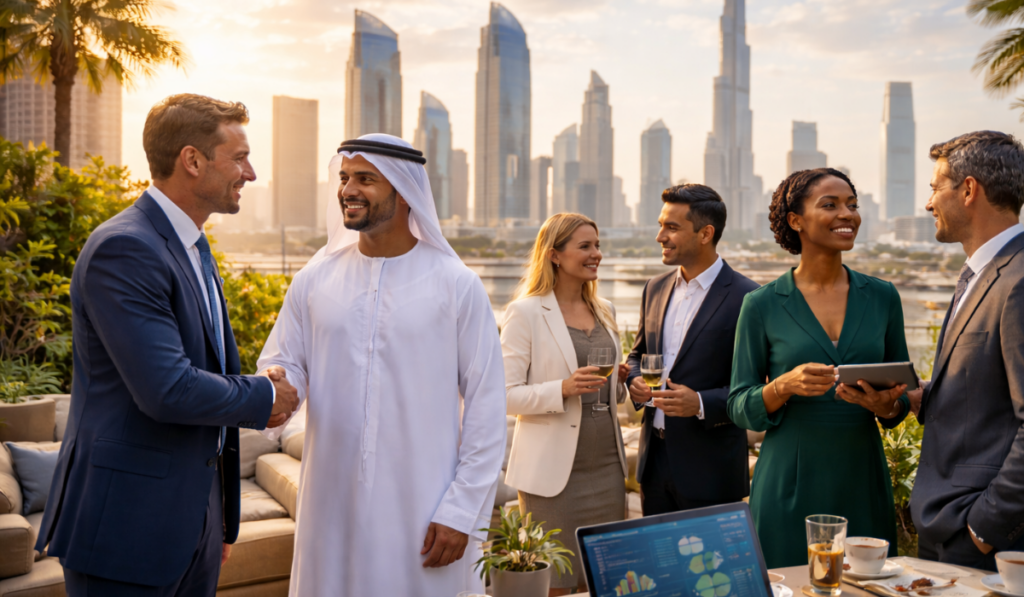
Sixteen years ago, setting up a first business license in Dubai felt like a bold move. Today, it feels like a calculated decision rooted in infrastructure, access, and velocity.
Dubai’s appeal is often reduced to its skyline or tax efficiency. But what truly defines the city is its execution speed. Ideas don’t linger in pitch decks for years — they move into operations.
Over the past decade and a half, the ecosystem has evolved dramatically. Regulatory maturity, digital licensing portals, and sector-specific incentives have reshaped what it means to build in the UAE.
Infrastructure That Enables Momentum
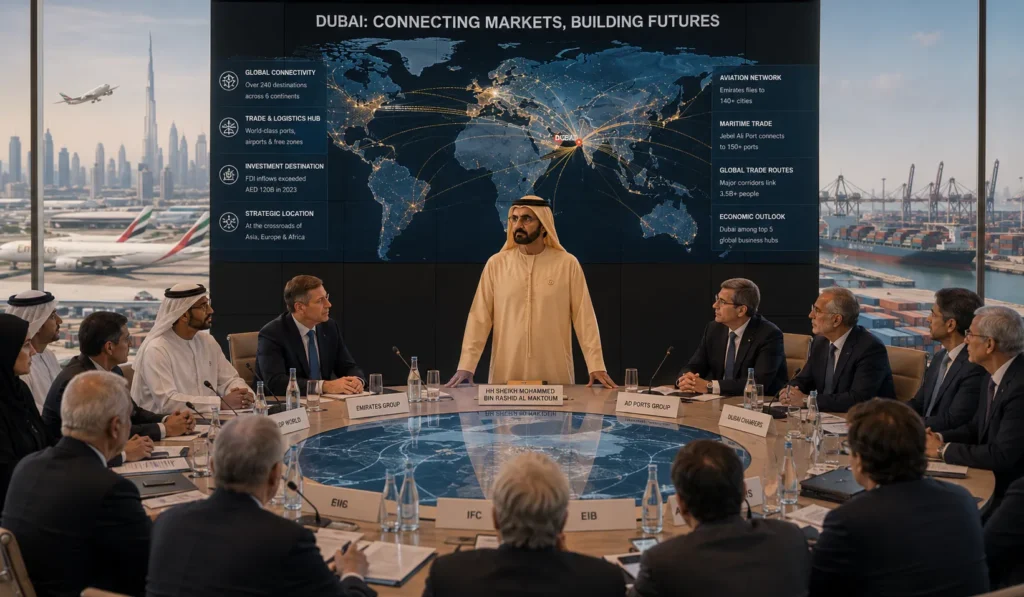
Dubai’s geographic position is well known — a connector between Europe, Asia, and Africa. But accessibility is only part of the equation.
Platforms such as Invest in Dubai have streamlined licensing processes, significantly reducing administrative friction. Business registration that once required multiple in-person approvals can now be completed digitally.
The regulatory environment has also matured. The introduction of the UAE’s Corporate Tax Regime at 9% marked a structural shift toward long-term fiscal sustainability — aligning the country with global compliance standards while maintaining competitiveness.
Meanwhile, financial centres such as the Dubai International Financial Centre (DIFC) continue to provide internationally recognized regulatory frameworks for finance, fintech, and professional services.
When national priorities shift — whether toward AI, clean energy, or digital assets — infrastructure follows quickly. Free zones, sector clusters, and targeted visa reforms signal where growth is being directed.
The Reality Behind the Speed
Dubai is efficient, but not frictionless.
Free zones offer advantages for foreign ownership, yet choosing the right jurisdiction requires strategic thinking. Banking compliance standards are robust, particularly for cross-border businesses. The Central Bank of the UAE enforces due diligence requirements that demand preparation and transparency.
Initial setup costs can be higher than some European alternatives. Licensing, visas, insurance, and workspace commitments require capital planning. However, the trade-off is access to one of the most connected and capital-dense environments globally.
A Culture of Access
Business in Dubai is relationship-driven. Trust is built face-to-face. Informal introductions often evolve into structured partnerships months later.
Events in DIFC, co-working ecosystems, and investor gatherings regularly connect founders with regional capital. According to the Dubai Department of Economy and Tourism, entrepreneurship and SME development remain central pillars of the emirate’s long-term growth strategy.
Unlike more saturated Western ecosystems, Dubai still rewards preparation and clarity.
Technology Without Borders
For technology founders, Dubai provides operational flexibility. Remote teams, global hiring, and cloud-based scaling are standard practices.
The emirate has positioned itself as a digital hub, supported by initiatives outlined by Digital Dubai, which focuses on digital governance and smart transformation.
Hybrid work models are normalized. Talent flows in from Eastern Europe, North Africa, and Southeast Asia — coordinated through a Dubai base that offers connectivity and lifestyle appeal.
Real Estate as Strategic Hedge
Beyond core business operations, Dubai’s real estate market has historically provided strategic diversification for entrepreneurs.
Data from the Dubai Land Department shows sustained transaction growth in recent years, particularly in mixed-use and commercial segments.
Property ownership has allowed many founders to balance early-stage business volatility with asset-backed stability.
Signals, Not Surprises
One defining characteristic of Dubai’s ecosystem is its transparency in signaling direction.
Whether through updates from DIFC regulators, corporate tax announcements, or sustainability initiatives aligned with the UAE Net Zero 2050 Strategy, policy changes are typically communicated clearly.
The responsibility lies with founders and investors to stay attentive.
Final Perspective
Dubai is not a shortcut to success. It demands preparation, cultural awareness, and financial discipline.
But it rewards:
- Decisive execution
- Regulatory compliance
- Long-term thinking
- Relationship capital
The skyline may attract attention. The infrastructure, speed, and ambition are what sustain momentum.
For entrepreneurs willing to adapt, Dubai is not simply a haven — it is a launch platform.

UK-based journalist covering UAE entrepreneurship, executive branding, and leadership growth across global business ecosystems.