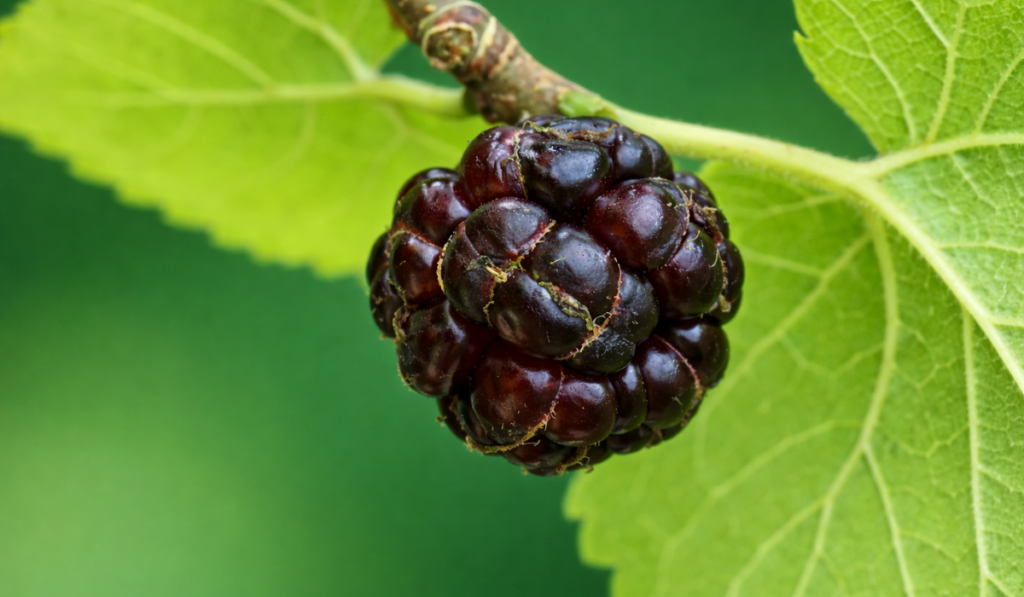
Scientists in the UAE have identified two mulberry species native to the UAE that may exhibit promising antimicrobial properties, potentially contributing to the global search for new antibiotics and antifungal treatments.
Researchers from Fujairah Research Centre and Umm Al Quwain University examined extracts from Morus nigra (black mulberry) and Morus alba (white mulberry) to test their ability to inhibit bacterial and fungal growth in laboratory conditions. Their findings were published in Nature Communications, where the team reported notably strong antimicrobial activity compared with several previously studied plant extracts.
Plants as a Source of Future Medicines
For centuries, plants have played a foundational role in medicine. According to the World Health Organization (WHO), antimicrobial resistance (AMR) is now one of the top global public health threats, contributing to an estimated 1.3 million deaths annually due to drug-resistant infections.
The UAE study suggests that compounds present in local mulberry species may offer alternative or complementary approaches to combating resistant bacteria and fungi.
Scientists noted that plants naturally produce antimicrobial chemicals as a defence mechanism against pathogens. Over millions of years of evolution, this “chemical arms race” has resulted in complex bioactive compounds that modern biotechnology is increasingly able to identify and analyse.
Advancements in genomic sequencing and molecular biology are accelerating the discovery of such plant-derived compounds, potentially allowing researchers to isolate useful genes and reproduce active substances through controlled laboratory processes.
Also Read: Calo’s Case Study in Customer-Obsessed Culture and Rapid Scaling
Tackling Antibiotic Resistance
Experts not involved in the UAE research have long emphasised the importance of diversifying the search for antimicrobial compounds. While many existing antibiotics originate from fungi rather than plants, botanical sources remain underexplored.
The WHO has warned that overuse and misuse of antibiotics in humans and animals significantly contribute to resistance. Efforts to identify plant-based alternatives or complementary therapies could support broader strategies aimed at reducing reliance on traditional antibiotics.
In addition to antimicrobial potential, the researchers indicated that both mulberry species may contain beneficial mineral and nutrient profiles, suggesting possible applications in the food supplement and healthcare industries.
Beyond Antibiotics
Historically, plants have provided the foundation for numerous pharmaceutical breakthroughs. Artemisinin — derived from Artemisia annua — remains a key treatment for malaria and is documented by the World Health Organization as a frontline therapy against the disease.
Similarly, alkaloids extracted from the opium poppy have formed the basis of widely used pain management drugs.
The UAE-based researchers emphasised that further biochemical analysis is required to isolate and validate specific active compounds within the Morus species. However, the findings underscore the growing relevance of plant genomics and phytochemistry in addressing future health challenges.
As antimicrobial resistance continues to rise globally, natural compounds derived from regional biodiversity may play an increasingly important role in drug discovery pipelines.
What Makes Mulberry Species Special?
Mulberry plants, particularly Morus nigra (black mulberry) and Morus alba (white mulberry), are known to contain a wide range of bioactive compounds such as flavonoids, alkaloids, and phenolic acids. These compounds are often associated with antimicrobial, anti-inflammatory, and antioxidant properties.
The UAE study highlights that these species, already adapted to harsh regional climates, may possess unique chemical defenses that enhance their medicinal value compared to similar plants found elsewhere.
How the Study Was Conducted
Researchers extracted compounds from different parts of the mulberry plants and exposed them to selected bacterial and fungal strains under controlled laboratory conditions.
The results showed that these extracts were able to inhibit microbial growth effectively, suggesting potential for developing new antimicrobial agents. However, laboratory success does not automatically translate to clinical effectiveness, and further testing is required.
Interesting Article: Abu Dhabi Researchers Develop Light-Activated Capsule That Could Transform Weight Management
Challenges in Turning Plants into Medicine
Before anyone starts replacing antibiotics with mulberry smoothies, there are several hurdles.
Plant-based compounds must go through:
- Isolation of active ingredients
- Toxicity testing
- Clinical trials
- Regulatory approvals
This process can take years, sometimes decades. Many promising compounds fail during this pipeline due to safety concerns or lack of consistent results.
Potential Applications Beyond Medicine
Apart from pharmaceutical use, mulberry extracts could be utilized in:
- Natural preservatives in food industries
- Nutritional supplements
- Skincare and cosmetic formulations
Their antimicrobial and antioxidant properties make them attractive for multiple commercial applications, not just drug development.
The UAE’s Growing Role in Scientific Research
This study reflects the UAE’s increasing investment in scientific innovation and biotechnology. By exploring native plant species, researchers are not only contributing to global health solutions but also leveraging regional biodiversity for scientific advancement.
Such initiatives position the UAE as an emerging hub for research in plant-based medicine and genomics.
FAQs – Frequently Asked Questions
Antimicrobial resistance occurs when bacteria, viruses, fungi, and parasites evolve to resist the effects of medications, making infections harder to treat and increasing the risk of disease spread, severe illness, and death.
Mulberry species contain natural bioactive compounds that may have antimicrobial properties, making them potential candidates for developing new antibiotics or antifungal treatments.
No. While early research is promising, mulberry-based compounds are still in the experimental stage and cannot replace conventional antibiotics at this time.
If successful, it could take several years or even decades due to the need for extensive testing, clinical trials, and regulatory approvals.
Yes. Several medicines, such as artemisinin for malaria and certain pain relief drugs derived from plants, have already been successfully developed and are widely used.

Dwayne Paschke is a seasoned content strategist and AI automation specialist with over nine years of experience at the intersection of journalism and digital innovation. A versatile force in the media landscape, Dwayne has built a reputation as an expert content writer and investigative journalist, contributing high-impact pieces to various reputable news websites.