The post Dr. Hani Nachawati from American Hospital Dubai – Rare Jaw Tumor Surgery appeared first on Disruptors Digest.
]]>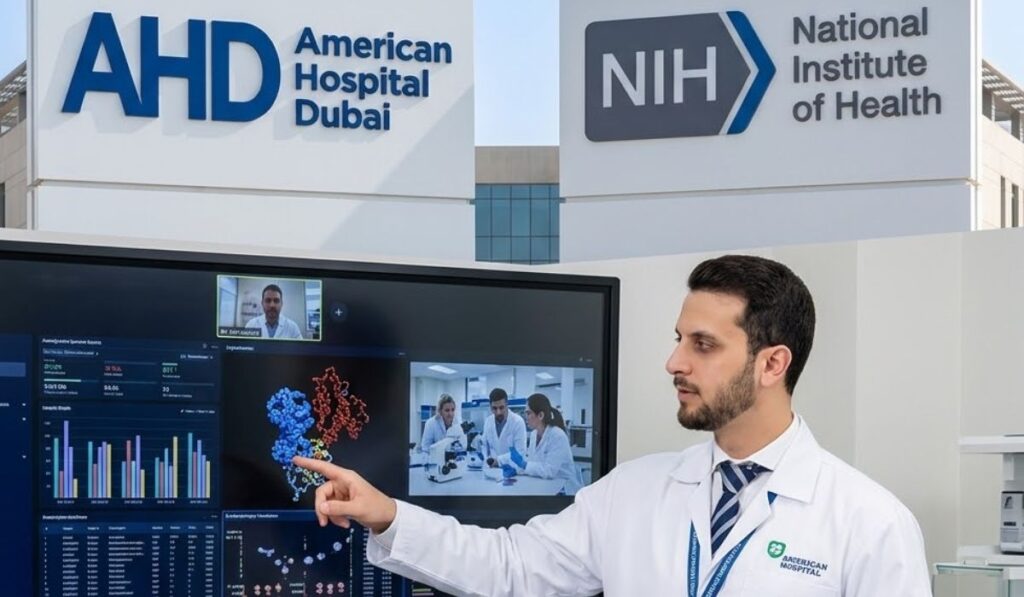
Dubai’s American Hospital Dubai has successfully performed a rare and highly complex surgical procedure to remove and reconstruct a patient’s jaw affected by an uncommon tumor, marking an important milestone in advanced medical care in the UAE.
The operation involved treating an odontogenic myxoma, a rare benign tumor that forms in the jawbone and originates from tissues associated with tooth development.
According to clinical information published by the National Institutes of Health, odontogenic myxoma is an uncommon tumor that can grow aggressively within the jaw and often requires complex surgical management.
The procedure carried out in Dubai required highly specialised surgical expertise and advanced planning technology, making it one of the most sophisticated operations of its kind performed in the country.
Rare Tumor Detected After Routine Examination
The patient, a female who had previously undergone tumor treatment in the United Kingdom in 2000, was initially treated through tumor excision and tissue removal. Years later, during a routine dental check-up, panoramic radiographs revealed unusual changes in the jawbone.
Concerned about the findings, the patient sought further evaluation at American Hospital Dubai, where doctors conducted extensive diagnostic assessments including advanced imaging scans, clinical examinations, and a biopsy.
The tests confirmed the presence of a large recurrent tumor affecting the left mandible, the lower jawbone responsible for essential functions such as chewing, speaking, and facial structure support.
Complex Surgical Plan Developed
Due to the size and progression of the tumor, Dr. Hani Nachawati, Consultant Oral Surgeon and Implantologist at American Hospital Dubai, determined that the most effective treatment would require a hemimandibulectomy.
A hemimandibulectomy is a surgical procedure that removes a portion or half of the mandible, or lower jawbone.
According to the American Association of Oral and Maxillofacial Surgeons, such procedures are typically used to treat severe jaw tumors, infections, trauma, or congenital conditions.
In this particular case, surgeons performed a left hemimandibulectomy while preserving the mandibular condyle, a critical part of the jaw joint that connects the jawbone to the skull through the temporomandibular joint (TMJ).
The preservation of this structure was essential for maintaining jaw movement and facial symmetry.
Advanced 3D Surgical Planning
To ensure maximum precision, the surgical team used 3D CAD/CAM planning technology, allowing doctors to create a detailed virtual surgical plan before entering the operating room.
Such digital surgical planning has become increasingly important in complex reconstructive procedures, enabling surgeons to simulate tumor removal and design the reconstruction process in advance.
According to research published by the National Library of Medicine, computer-assisted surgical planning significantly improves accuracy in maxillofacial reconstruction procedures.
Jaw Reconstruction Using Microvascular Surgery
After removing the affected section of the jaw, surgeons immediately reconstructed the bone using a fibular free flap, a sophisticated microvascular technique widely used in reconstructive surgery.
The fibular free flap involves transferring a segment of bone from the patient’s lower leg (fibula) to replace the removed jawbone. Blood vessels are then carefully reconnected under a microscope to restore blood circulation to the transplanted bone.
This technique helps restore both functional movement and facial structure, enabling patients to regain the ability to chew, speak, and maintain natural facial contours.
Multidisciplinary Surgical Collaboration
The demanding 12-hour surgery was carried out by a multidisciplinary team at American Hospital Dubai, combining expertise from multiple specialties.
The team included Dr. Hani Nachawati, along with ENT surgeon Dr. Roy, and plastic surgeons Dr. Tracia and Dr. Ali, supported by anesthesiology and intensive care specialists.
Such multidisciplinary collaboration is essential for complex head and neck surgeries, where surgeons must coordinate tumor removal, reconstruction, and patient recovery simultaneously.
Successful Recovery and Medical Innovation
Following the procedure, doctors reported that both the surgery and the post-operative recovery proceeded smoothly. The patient achieved strong functional outcomes along with a natural aesthetic appearance.
Medical experts note that procedures of this complexity highlight the growing capabilities of hospitals in the UAE to perform advanced surgical treatments that were once only available in major global medical centers.
American Hospital Dubai has built a strong reputation for treating complex diseases through advanced technology, specialised surgical teams, and multidisciplinary medical care.
The successful treatment of this rare tumor case demonstrates how cutting-edge surgical techniques, combined with detailed digital planning and collaboration among specialists, can significantly improve patient outcomes in complex medical conditions.
As healthcare innovation continues to advance, hospitals in the UAE are increasingly contributing to the development of world-class medical capabilities across the region.
FAQs – Frequently Asked Questions
Dr. Hani Nachawati is a consultant specializing in oral and maxillofacial surgery at American Hospital Dubai. He is experienced in treating complex facial conditions, including jaw tumors, facial trauma, reconstructive surgery, and advanced oral surgical procedures using modern surgical techniques.
The patient was diagnosed with a rare jaw tumor that required complex surgical removal followed by advanced reconstructive procedures. Such tumors can affect the jawbone, surrounding tissues, and facial function, making specialized treatment essential for successful outcomes.
Advanced jaw reconstruction involves restoring the structure and function of the jaw after tumor removal or severe injury. Surgeons may use digital surgical planning, 3D imaging, patient-specific implants, bone grafts, or microvascular free-flap reconstruction to achieve accurate functional and aesthetic results.
Digital surgical planning allows surgeons to create detailed 3D models before the procedure, helping them visualize the anatomy, design personalized reconstruction plans, improve surgical precision, reduce operating time, and enhance patient recovery.
Symptoms of a jaw tumor can include persistent jaw swelling, facial pain, numbness, difficulty chewing, loose teeth, changes in facial appearance, or limited jaw movement. Since symptoms vary depending on the tumor type, early evaluation by a specialist is important for accurate diagnosis and timely treatment.
Complex jaw tumor treatment often requires collaboration between oral and maxillofacial surgeons, radiologists, oncologists, pathologists, anesthesiologists, reconstructive surgeons, and rehabilitation specialists. This multidisciplinary approach helps ensure comprehensive treatment planning, surgical precision, and improved long-term patient outcomes.
Modern reconstructive surgery helps restore jaw function, facial symmetry, speech, chewing ability, and overall quality of life. Personalized reconstruction techniques also reduce complications and support better cosmetic and functional recovery.
American Hospital Dubai is known for offering advanced medical technologies, experienced multidisciplinary teams, and specialized treatment for complex conditions across multiple medical specialties. Its focus on innovation, digital healthcare solutions, and patient-centered care enables it to manage challenging surgical cases using internationally recognized standards.

Dwayne Paschke is a seasoned content strategist and AI automation specialist with over nine years of experience at the intersection of journalism and digital innovation. A versatile force in the media landscape, Dwayne has built a reputation as an expert content writer and investigative journalist, contributing high-impact pieces to various reputable news websites.
The post Dr. Hani Nachawati from American Hospital Dubai – Rare Jaw Tumor Surgery appeared first on Disruptors Digest.
]]>The post Yousuf Hamad Al Shaibani’s Leadership in Dubai’s Digital Security and Space Sectors appeared first on Disruptors Digest.
]]>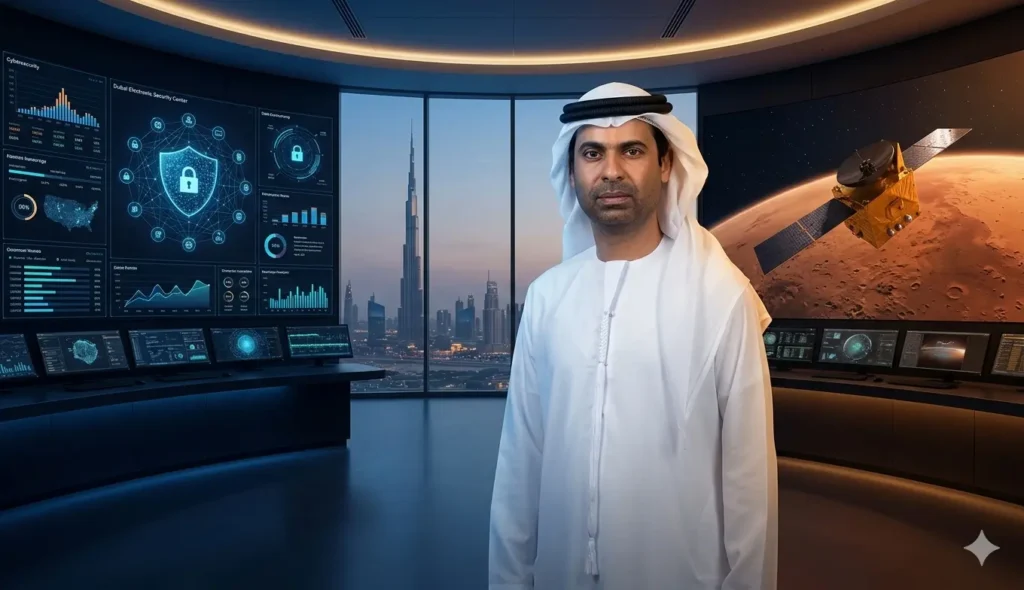
Over the past two decades, the United Arab Emirates (UAE) has evolved from a regional business hub into a global center for technology, digital transformation, cybersecurity, and space innovation. At the center of this change are two critical sectors: cybersecurity and space exploration. His Excellency Yousuf Hamad Al Shaibani serves currently as Chief Executive Officer (CEO) of the Dubai Electronic Security Center (DESC) accordingly to Global Government Cloud Platform, Vice Chairman of Mohammed Bin Rashid Space Centre (MBRSC), and Board Member of UAE Space Agency.
The UAE’s entry into the global space race requires strategic management of complex projects like the Emirates Mars Mission. Understanding the career and strategic decisions of Al Shaibani provides insight into how the UAE balances its digital safety with scientific progress.
Yousuf Hamad Al Shaibani’s Professional Background and Education
The foundation of Al Shaibani’s leadership lies in a strong technical education and over 25 years of experience in the government sector. He graduated from Etisalat University College in 1995. The institution later became part of Khalifa University following the UAE’s higher education restructuring.
To gain international expertise, he moved to the United Kingdom for postgraduate studies. In 1997, he earned a Master’s Degree in Microelectronics Systems Design from Central England University, which is now known as Birmingham City University. This specific focus on microelectronics provided him with the technical knowledge necessary to lead organizations that rely on advanced hardware and software systems.
Al Shaibani is recognized as a founding member of the Dubai Electronic Security Center. His long-term association with the organization, starting from its establishment, allowed him to shape its growth from the ground up. Before becoming the Director General, he held several senior positions and served as a member of the organization’s board of directors.
Related Article: H.E. Dr. Mohamed Al Kuwaiti – UAE Cybersecurity Strategy and His Leadership
Strategic Leadership at the Dubai Electronic Security Center (DESC)
Under the direction of Al Shaibani, DESC has become the primary authority for protecting Dubai’s information and telecommunications networks. His role as Director General and CEO involves overseeing the “cyber readiness” of the city. This is a critical task as Dubai integrates more services into its digital infrastructure through the Digital Dubai department.
Key achievements under his leadership at DESC include:
- Innovation in Cyber Readiness: His development team has created innovative platforms and software designed to detect and prevent digital threats.
- Government Integration: DESC works closely with other government entities to ensure that Dubai’s digital transformation is secure and sustainable.
- Policy Development: As a board member, Al Shaibani has contributed to the strategic policies that govern how data is handled and protected in the emirate.
Advancing the UAE Space Sector through MBRSC
In addition to his security roles, Al Shaibani serves as the Director General of the Mohammed Bin Rashid Space Centre (MBRSC). His involvement in the space sector is extensive. His leadership at MBRSC has been defined by high-profile missions that have placed the UAE on the international stage of scientific exploration.
Significant milestones in the UAE space sector led by Al Shaibani include:
- The Emirates Mars Mission (Hope Probe): Al Shaibani played a key role in the launch of this mission, which successfully reached Mars to study its atmosphere.
- Astronaut Program: He was instrumental in the mission that sent the first Emirati astronaut to space, a move that inspired a new generation of scientists in the region.
- Satellite Technology: Under his guidance, MBRSC has focused on Earth observation and remote sensing technologies, which provide vital data for urban planning and environmental monitoring.
These projects demonstrate a strategic decision to move the UAE economy beyond oil and toward a knowledge-based system driven by science and technology.
National Boards and Councils
Al Shaibani’s influence extends beyond individual centers to national-level policymaking. He holds seats on several influential boards that coordinate the UAE’s technological strategy. These roles ensure that the local successes in Dubai are aligned with national goals.
His current board memberships include:
- UAE Cyber Security Council: This body coordinates cybersecurity efforts across all seven emirates to ensure a unified defense against digital threats.
- UAE Space Agency: Serving on this board allows Al Shaibani to contribute to the overarching national space strategy, including the management of the National Space Fund.
- MBRSC and DESC Boards: He continues to serve on the boards of the organizations he leads, providing continuity and long-term vision.
By holding these positions, Al Shaibani acts as a bridge between operational execution at the centers and strategic planning at the federal level.
The Impact on Dubai’s Economic and Digital Strategy
The dual focus on security and space has a direct impact on the UAE’s economy. Through Digital Dubai and MBRSC, Al Shaibani oversees projects that create high-value jobs and attract international investment in the tech sector. The space sector, in particular, has seen the emergence of a “Space Economy” involving private startups and international collaborations.
For example, the MBRSC manages initiatives such as:
- Space Data Center: A hub for processing and sharing space-related data with international partners.
- National Space Academy: A program designed to train the next generation of Emirati engineers and scientists.
- Startup Support: Large events like Cybertech Global UAE-Dubai provide platforms for startups to interact with government leaders like Al Shaibani to find growth opportunities.
These efforts ensure that Dubai remains a leader in the global “smart city” movement, where technology is used to improve the quality of life for all residents.
Also Read: Zach Perret – Architect Behind Plaid
Key Career Events – Timeline
The following timeline highlights the professional progression of Yousuf Hamad Al Shaibani:
- 1995: Graduated from Etisalat University College (KUSTAR) in Sharjah.
- 1997: Earned a Master’s Degree in Microelectronics Systems Design from Central England University (UK).
- Founding Years: Served as a founding member of both DESC and MBRSC, helping to establish the core infrastructure for Dubai’s cybersecurity and space exploration.
- 2018: Represented DESC at major international events like HITBSecConf2018 in Dubai to discuss regional security challenges.
- 2021-2022: Oversaw the successful progress of the Emirates Mars Mission and participated in global summits like Cybertech Global to promote the UAE’s digital security.
- Present: Continues to lead DESC and MBRSC while serving on the boards of the UAE Space Agency and the UAE Cyber Security Council.
Related Article: UAE Cyber Pulse Initiative – National Cybersecurity Strategy
Future of Emirati Technology and Security
Looking ahead, the work of Al Shaibani suggests that the UAE will continue to prioritize technological independence. The development of local software and satellite technology reduces reliance on foreign systems and builds local expertise. The focus on “cyber readiness” will likely expand as artificial intelligence (AI) and the Internet of Things (IoT) become more common in Dubai’s infrastructure.
In the space sector, the UAE is moving toward more complex exploration and “Space Economy” projects, including the potential for long-term space research and commercial space activities.
Editorial Note
This article has been prepared using information published by official UAE government organizations, institutional biographies, public announcements, and reputable news sources. Leadership positions and organizational responsibilities are subject to change; readers are encouraged to consult official government websites for the latest updates.
Frequently Asked Questions – FAQs
He is the Director General of the Dubai Electronic Security Center (DESC) and the Director General of the Mohammed Bin Rashid Space Centre (MBRSC). He also serves on the boards of the UAE Space Agency and the UAE Cyber Security Council.
He graduated from Etisalat University College (now Khalifa University) in 1995 and received a Master’s Degree in Microelectronics Systems Design from Central England University (now Birmingham City University) in the UK in 1997.
DESC was established to strengthen Dubai’s cybersecurity infrastructure, protect its digital networks, and ensure the city’s readiness against electronic threats.
As a founding member and Director General of MBRSC, he played a key role in the Emirates Mars Mission and the program that sent the first Emirati astronaut into space.
DESC is part of the Digital Dubai department, which aims to digitize all aspects of life in the city. Al Shaibani’s leadership ensures that this digital transition is secure and protected from cyberattacks.
It refers to the commercial and economic activities related to space exploration, including the National Space Fund, space research conferences, and supporting startups in the space sector.
He has over 25 years of experience serving in the government sector and has been with DESC since its establishment.
Dwayne Paschke is a seasoned content strategist and AI automation specialist with over nine years of experience at the intersection of journalism and digital innovation. A versatile force in the media landscape, Dwayne has built a reputation as an expert content writer and investigative journalist, contributing high-impact pieces to various reputable news websites.
The post Yousuf Hamad Al Shaibani’s Leadership in Dubai’s Digital Security and Space Sectors appeared first on Disruptors Digest.
]]>The post How Sheikha Moza’s Jadal Summit Is Redefining Muslim Women’s Intellectual Leadership appeared first on Disruptors Digest.
]]>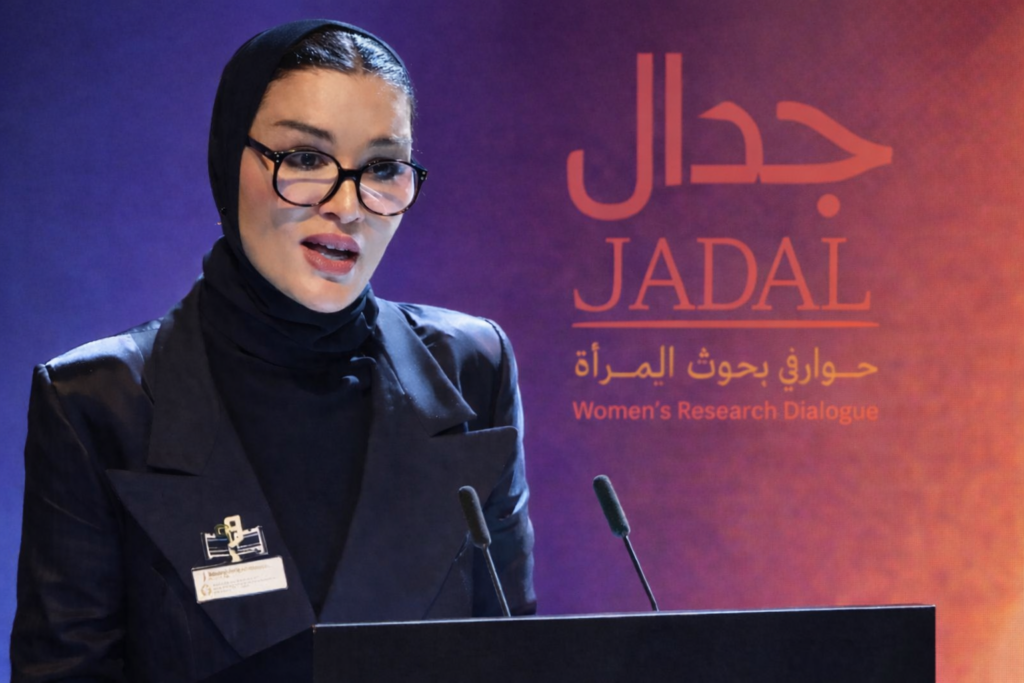
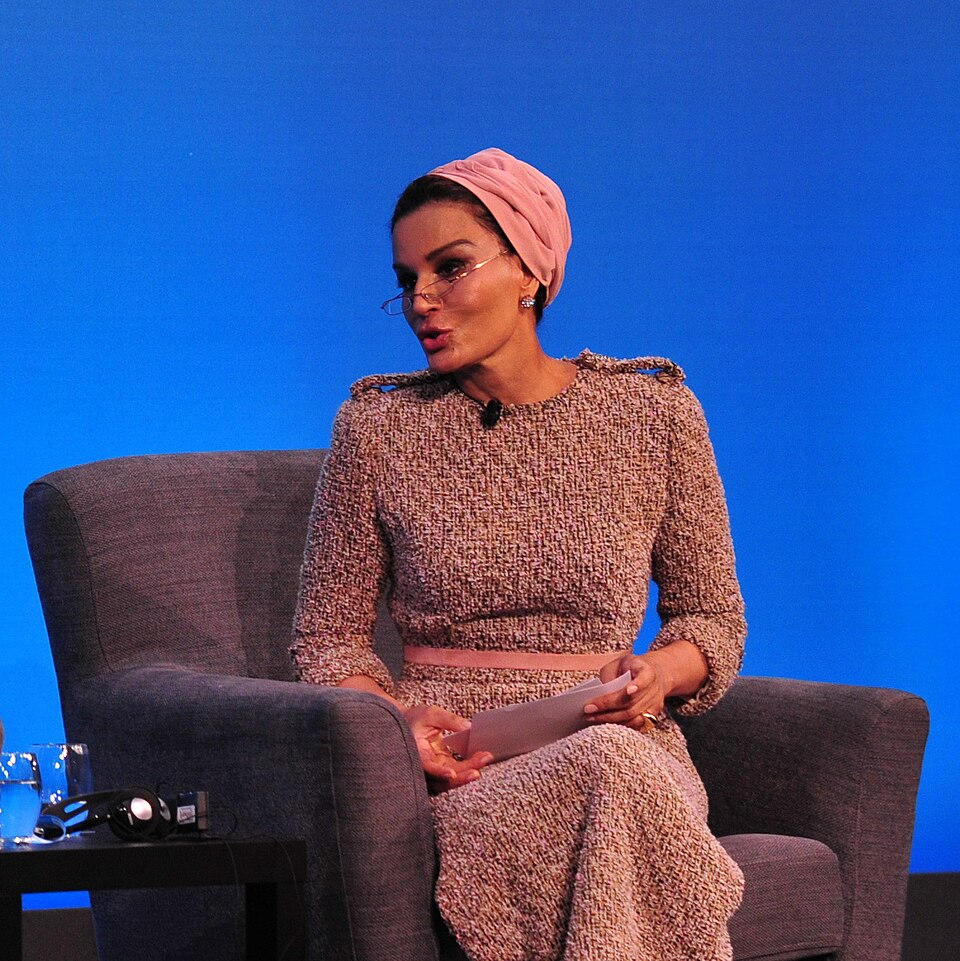
Her Highness Sheikha Moza bint Nasser, Chairperson of Qatar Foundation for Education, Science and Community Development, was present at the opening of Jadal, the annual research summit organized by Al-Mujadilah Center and Mosque for Women. The summit focuses on fostering collaboration and expanding research networks that address the current challenges and real-life experiences of Muslim women globally.
When Her Highness Sheikha Moza bint Nasser attended the opening of Jadal 2026 in Doha, the event was more than a ceremonial gathering. It was a statement about the future of scholarship, leadership, and narrative authority in the Muslim world.
Hosted by Al-Mujadilah Center and Mosque for Women under the umbrella of Qatar Foundation, the annual Jadal summit convened more than 100 Muslim women scholars, researchers, and practitioners from across North America, Europe, Africa, Asia, and the Middle East.
But the deeper story is not attendance numbers. It is infrastructure — intellectual infrastructure.
Building an Intellectual Ecosystem
The 2026 theme, “Muslim Women Navigating Theology, Ethics, and Society,” signals a strategic pivot away from reactive discourse toward proactive knowledge production.
Rather than focusing solely on representation, Jadal centers normative authority — examining how Muslim women have shaped Islamic legal thought, ethics, governance, and community life since the inception of Islam.
In her opening remarks, Executive Director Dr. Sohaira Siddiqui emphasized stewardship in religious knowledge — describing it as both principled and responsive. Her framing reflects a growing movement toward scholarship that bridges tradition with contemporary complexity.
This approach aligns with global trends in academic reform. Institutions worldwide are rethinking how research intersects with lived experience, public policy, and community leadership.
From Conference to Conversation
Jadal positions itself not merely as a conference, but as an ongoing intellectual dialogue. This distinction matters.
Leadership summits often produce declarations. Sustainable movements build networks.
By gathering interdisciplinary voices — from ethical business to bioethics, urban belonging to legal reform — Jadal is constructing cross-sector intellectual capital.
The event also marked the launch of a new partnership between Al-Mujadilah and Qatar’s Ministry of Social Development and Family, formalized in the presence of HE Buthaina bint Ali Al Jabr Al Nuaimi.
The partnership aims to elevate historical and contemporary contributions of Muslim women through public programming and research initiatives. This signals institutional alignment between scholarship and social policy — a rare but powerful combination.
The “More Muslim” Podcast
One of the summit’s most forward-looking initiatives was the launch of More Muslim, an audio documentary podcast exploring the complexity of Muslim identity.
Blending historical analysis with contemporary storytelling, the series reflects a broader innovation trend: narrative sovereignty.
In an era shaped by algorithmic media and simplified identity narratives, institutions that control storytelling platforms control perception.
Al-Mujadilah’s move into narrative media suggests strategic recognition that scholarship must travel beyond academic journals to shape public consciousness.
Leadership Through Intellectual Stewardship
Sheikha Moza’s presence underscores Qatar Foundation’s long-standing investment in education and knowledge systems.
Under her leadership, Qatar Foundation has established global partnerships with universities such as Georgetown University in Qatar and other Education City institutions — reinforcing the country’s positioning as a regional knowledge hub.
Jadal fits within this broader ecosystem: not as a symbolic event, but as a structural pillar in Muslim women’s scholarship.
Why This Founder-Level Leadership Matters for 2026
While Sheikha Moza is not a startup founder in the traditional sense, her approach mirrors founder-led ecosystem building.
In 2026, leadership in emerging economies will increasingly hinge on intellectual sovereignty — the ability to shape research agendas, cultural narratives, and ethical frameworks.
By centering Muslim women as producers of theological and social thought, Jadal challenges outdated assumptions about authority structures within religious discourse.
More importantly, it demonstrates that leadership today is multidimensional:
- Institutional
- Intellectual
- Narrative
- Policy-aligned
As global debates around identity, ethics, and social reform intensify, platforms like Jadal may serve as incubators for next-generation thought leaders.
The summit is not merely about theology. It is about defining who shapes ethical discourse in the modern Muslim world.
And in that respect, Sheikha Moza’s continued stewardship positions her as one of the region’s most consequential ecosystem architects heading into 2026.
Why Jadal Matters Beyond Academic Conferences
Many academic conferences conclude with keynote speeches and published proceedings, but Jadal is designed to create lasting collaboration among scholars. By bringing together researchers from multiple countries and academic disciplines, the summit encourages long-term partnerships that can produce future publications, policy recommendations, educational initiatives, and community projects.
This collaborative approach strengthens the global network of Muslim women scholars while encouraging research that addresses real-world challenges rather than remaining confined to academic institutions. As universities increasingly prioritise interdisciplinary research, platforms like Jadal provide an important environment where theology, ethics, education, sociology, law, and public policy intersect.
Growing Importance of Women-Led Research in the Muslim World
Across the Muslim world, women are playing an increasingly significant role in higher education, scientific research, public policy, and religious scholarship. Universities throughout the Gulf region have witnessed rising female participation in postgraduate education, while women continue to assume leadership positions in research institutions, think tanks, and international organizations.
Initiatives such as Jadal reflect this broader transformation by providing opportunities for Muslim women to contribute original scholarship, exchange ideas internationally, and participate in discussions that influence both academic and public discourse.
Rather than focusing solely on representation, the summit highlights intellectual contribution and research excellence, reinforcing that knowledge production remains central to social and economic development.
Qatar’s Vision for Knowledge-Based Development
The Jadal Summit also aligns with Qatar’s long-term strategy of investing in education, innovation, and research as drivers of national development. Through Qatar Foundation and Education City, the country has established partnerships with internationally recognised universities while creating an ecosystem that supports scientific discovery, entrepreneurship, and policy research.
Hosting international gatherings such as Jadal strengthens Qatar’s position as a regional centre for academic collaboration and reinforces its commitment to fostering dialogue across cultures and disciplines.
Why Ethical Leadership Is Becoming More Important
Rapid technological advances, artificial intelligence, biotechnology, climate change, and social transformation continue to raise complex ethical questions for governments and communities worldwide. As these issues become increasingly interconnected, scholars are being called upon to provide balanced perspectives that combine academic research with moral reasoning.
By exploring theology alongside ethics and society, Jadal encourages conversations that address contemporary challenges while remaining grounded in historical scholarship. This interdisciplinary approach helps researchers develop practical insights that can inform education, policymaking, healthcare, and community leadership.
Research Collaboration Creates Greater Global Impact
International collaboration has become one of the strongest indicators of research quality. When scholars from different countries work together, they bring diverse experiences, methodologies, and cultural perspectives that often produce more comprehensive research outcomes.
Events like Jadal facilitate these partnerships by connecting researchers who may later collaborate on journal publications, educational programmes, conferences, and policy initiatives. Such networks also help early-career researchers gain mentorship from established academics and expand opportunities for future scholarship.
Expanding Role of Narrative in Academic Communication
Academic research no longer reaches audiences through journals alone. Podcasts, digital platforms, documentaries, and social media have become essential channels for communicating complex ideas to wider audiences.
The launch of the More Muslim podcast illustrates how institutions are adapting to changing media consumption habits. By translating scholarly discussions into accessible storytelling, research organizations can engage younger generations, encourage public dialogue, and increase awareness of issues that might otherwise remain within academic circles.
FAQs – Frequently Asked Questions
Jadal is an annual international research summit organized by Al-Mujadilah Center and Mosque for Women in Doha. It brings together Muslim women scholars, researchers, academics, and practitioners to discuss theology, ethics, leadership, and contemporary social issues.
Sheikha Moza bint Nasser is the Chairperson of Qatar Foundation for Education, Science and Community Development. She is internationally recognized for promoting education, research, innovation, and social development in Qatar and beyond.
The summit aims to strengthen research collaboration, expand scholarly networks, and highlight the intellectual contributions of Muslim women in areas such as theology, ethics, law, education, and public policy.
The 2026 theme was “Muslim Women Navigating Theology, Ethics, and Society,” focusing on how Muslim women contribute to religious scholarship while addressing contemporary ethical and societal challenges.
Jadal is organized by Al-Mujadilah Center and Mosque for Women, an initiative operating under Qatar Foundation.
The summit promotes long-term research collaboration, interdisciplinary scholarship, and intellectual leadership while creating opportunities for Muslim women to shape discussions on theology, ethics, education, and public policy.
More Muslim is an audio documentary podcast launched by Al-Mujadilah that explores Muslim identity through historical research, storytelling, and contemporary discussions aimed at broader public audiences.
The summit provides networking opportunities, encourages international research partnerships, promotes interdisciplinary collaboration, and supports the development of future scholars through knowledge sharing and academic engagement.
Qatar Foundation supports education, scientific research, innovation, entrepreneurship, and community development through initiatives such as Education City, international university partnerships, and specialized research institutions.
International collaborations enable scholars to exchange ideas, combine expertise, improve research quality, address global challenges from multiple perspectives, and develop evidence-based solutions that benefit society across borders.
Interdisciplinary research allows scholars from fields such as theology, ethics, sociology, education, law, and public policy to collaborate on complex issues that cannot be addressed from a single perspective. This approach often produces more practical and comprehensive solutions.
The summit connects scholars from different countries and institutions, encouraging joint research projects, knowledge exchange, and long-term academic partnerships that extend beyond the annual event.
Academic conferences provide opportunities to present research, receive expert feedback, build professional networks, establish collaborations, and stay informed about emerging developments within their field.
Qatar invests heavily in education through Qatar Foundation, Education City, international university partnerships, research funding, and innovation initiatives that promote scientific advancement and knowledge-based economic growth.
Podcasts help researchers communicate complex ideas in a more accessible format, enabling wider audiences to engage with academic discussions, historical perspectives, and contemporary issues outside traditional scholarly publications.
As societies face challenges related to technology, healthcare, artificial intelligence, and social change, ethical leadership helps ensure that decision-making balances innovation with fairness, responsibility, and long-term societal wellbeing.
Dwayne Paschke is a seasoned content strategist and AI automation specialist with over nine years of experience at the intersection of journalism and digital innovation. A versatile force in the media landscape, Dwayne has built a reputation as an expert content writer and investigative journalist, contributing high-impact pieces to various reputable news websites.
The post How Sheikha Moza’s Jadal Summit Is Redefining Muslim Women’s Intellectual Leadership appeared first on Disruptors Digest.
]]>