The post Yousuf Hamad Al Shaibani’s Leadership in Dubai’s Digital Security and Space Sectors appeared first on Disruptors Digest.
]]>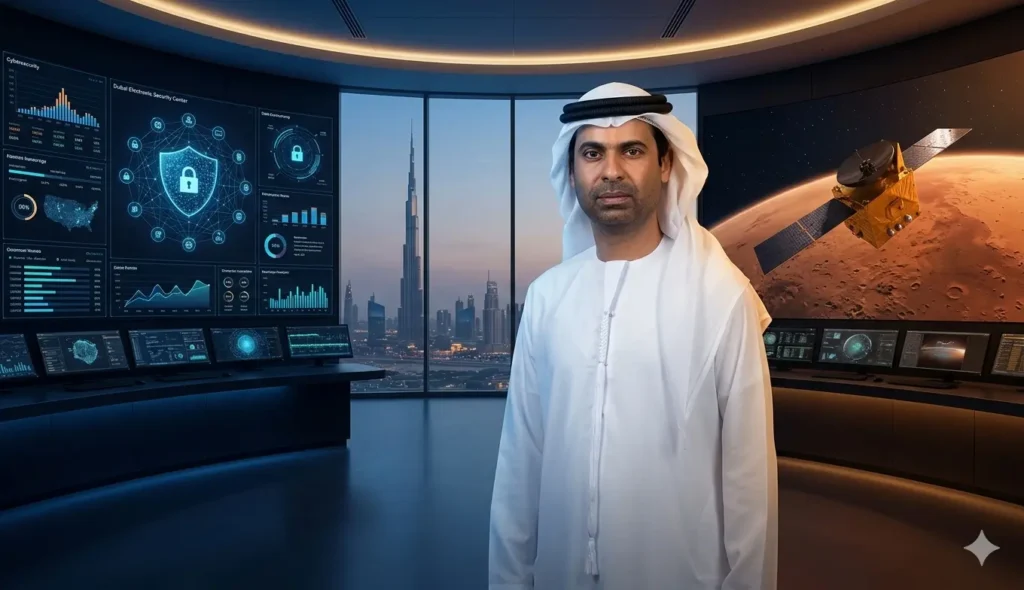
Over the past two decades, the United Arab Emirates (UAE) has evolved from a regional business hub into a global center for technology, digital transformation, cybersecurity, and space innovation. At the center of this change are two critical sectors: cybersecurity and space exploration. His Excellency Yousuf Hamad Al Shaibani serves currently as Chief Executive Officer (CEO) of the Dubai Electronic Security Center (DESC) accordingly to Global Government Cloud Platform, Vice Chairman of Mohammed Bin Rashid Space Centre (MBRSC), and Board Member of UAE Space Agency.
The UAE’s entry into the global space race requires strategic management of complex projects like the Emirates Mars Mission. Understanding the career and strategic decisions of Al Shaibani provides insight into how the UAE balances its digital safety with scientific progress.
Yousuf Hamad Al Shaibani’s Professional Background and Education
The foundation of Al Shaibani’s leadership lies in a strong technical education and over 25 years of experience in the government sector. He graduated from Etisalat University College in 1995. The institution later became part of Khalifa University following the UAE’s higher education restructuring.
To gain international expertise, he moved to the United Kingdom for postgraduate studies. In 1997, he earned a Master’s Degree in Microelectronics Systems Design from Central England University, which is now known as Birmingham City University. This specific focus on microelectronics provided him with the technical knowledge necessary to lead organizations that rely on advanced hardware and software systems.
Al Shaibani is recognized as a founding member of the Dubai Electronic Security Center. His long-term association with the organization, starting from its establishment, allowed him to shape its growth from the ground up. Before becoming the Director General, he held several senior positions and served as a member of the organization’s board of directors.
Related Article: H.E. Dr. Mohamed Al Kuwaiti – UAE Cybersecurity Strategy and His Leadership
Strategic Leadership at the Dubai Electronic Security Center (DESC)
Under the direction of Al Shaibani, DESC has become the primary authority for protecting Dubai’s information and telecommunications networks. His role as Director General and CEO involves overseeing the “cyber readiness” of the city. This is a critical task as Dubai integrates more services into its digital infrastructure through the Digital Dubai department.
Key achievements under his leadership at DESC include:
- Innovation in Cyber Readiness: His development team has created innovative platforms and software designed to detect and prevent digital threats.
- Government Integration: DESC works closely with other government entities to ensure that Dubai’s digital transformation is secure and sustainable.
- Policy Development: As a board member, Al Shaibani has contributed to the strategic policies that govern how data is handled and protected in the emirate.
Advancing the UAE Space Sector through MBRSC
In addition to his security roles, Al Shaibani serves as the Director General of the Mohammed Bin Rashid Space Centre (MBRSC). His involvement in the space sector is extensive. His leadership at MBRSC has been defined by high-profile missions that have placed the UAE on the international stage of scientific exploration.
Significant milestones in the UAE space sector led by Al Shaibani include:
- The Emirates Mars Mission (Hope Probe): Al Shaibani played a key role in the launch of this mission, which successfully reached Mars to study its atmosphere.
- Astronaut Program: He was instrumental in the mission that sent the first Emirati astronaut to space, a move that inspired a new generation of scientists in the region.
- Satellite Technology: Under his guidance, MBRSC has focused on Earth observation and remote sensing technologies, which provide vital data for urban planning and environmental monitoring.
These projects demonstrate a strategic decision to move the UAE economy beyond oil and toward a knowledge-based system driven by science and technology.
National Boards and Councils
Al Shaibani’s influence extends beyond individual centers to national-level policymaking. He holds seats on several influential boards that coordinate the UAE’s technological strategy. These roles ensure that the local successes in Dubai are aligned with national goals.
His current board memberships include:
- UAE Cyber Security Council: This body coordinates cybersecurity efforts across all seven emirates to ensure a unified defense against digital threats.
- UAE Space Agency: Serving on this board allows Al Shaibani to contribute to the overarching national space strategy, including the management of the National Space Fund.
- MBRSC and DESC Boards: He continues to serve on the boards of the organizations he leads, providing continuity and long-term vision.
By holding these positions, Al Shaibani acts as a bridge between operational execution at the centers and strategic planning at the federal level.
The Impact on Dubai’s Economic and Digital Strategy
The dual focus on security and space has a direct impact on the UAE’s economy. Through Digital Dubai and MBRSC, Al Shaibani oversees projects that create high-value jobs and attract international investment in the tech sector. The space sector, in particular, has seen the emergence of a “Space Economy” involving private startups and international collaborations.
For example, the MBRSC manages initiatives such as:
- Space Data Center: A hub for processing and sharing space-related data with international partners.
- National Space Academy: A program designed to train the next generation of Emirati engineers and scientists.
- Startup Support: Large events like Cybertech Global UAE-Dubai provide platforms for startups to interact with government leaders like Al Shaibani to find growth opportunities.
These efforts ensure that Dubai remains a leader in the global “smart city” movement, where technology is used to improve the quality of life for all residents.
Also Read: Zach Perret – Architect Behind Plaid
Key Career Events – Timeline
The following timeline highlights the professional progression of Yousuf Hamad Al Shaibani:
- 1995: Graduated from Etisalat University College (KUSTAR) in Sharjah.
- 1997: Earned a Master’s Degree in Microelectronics Systems Design from Central England University (UK).
- Founding Years: Served as a founding member of both DESC and MBRSC, helping to establish the core infrastructure for Dubai’s cybersecurity and space exploration.
- 2018: Represented DESC at major international events like HITBSecConf2018 in Dubai to discuss regional security challenges.
- 2021-2022: Oversaw the successful progress of the Emirates Mars Mission and participated in global summits like Cybertech Global to promote the UAE’s digital security.
- Present: Continues to lead DESC and MBRSC while serving on the boards of the UAE Space Agency and the UAE Cyber Security Council.
Related Article: UAE Cyber Pulse Initiative – National Cybersecurity Strategy
Future of Emirati Technology and Security
Looking ahead, the work of Al Shaibani suggests that the UAE will continue to prioritize technological independence. The development of local software and satellite technology reduces reliance on foreign systems and builds local expertise. The focus on “cyber readiness” will likely expand as artificial intelligence (AI) and the Internet of Things (IoT) become more common in Dubai’s infrastructure.
In the space sector, the UAE is moving toward more complex exploration and “Space Economy” projects, including the potential for long-term space research and commercial space activities.
Editorial Note
This article has been prepared using information published by official UAE government organizations, institutional biographies, public announcements, and reputable news sources. Leadership positions and organizational responsibilities are subject to change; readers are encouraged to consult official government websites for the latest updates.
Frequently Asked Questions – FAQs
He is the Director General of the Dubai Electronic Security Center (DESC) and the Director General of the Mohammed Bin Rashid Space Centre (MBRSC). He also serves on the boards of the UAE Space Agency and the UAE Cyber Security Council.
He graduated from Etisalat University College (now Khalifa University) in 1995 and received a Master’s Degree in Microelectronics Systems Design from Central England University (now Birmingham City University) in the UK in 1997.
DESC was established to strengthen Dubai’s cybersecurity infrastructure, protect its digital networks, and ensure the city’s readiness against electronic threats.
As a founding member and Director General of MBRSC, he played a key role in the Emirates Mars Mission and the program that sent the first Emirati astronaut into space.
DESC is part of the Digital Dubai department, which aims to digitize all aspects of life in the city. Al Shaibani’s leadership ensures that this digital transition is secure and protected from cyberattacks.
It refers to the commercial and economic activities related to space exploration, including the National Space Fund, space research conferences, and supporting startups in the space sector.
He has over 25 years of experience serving in the government sector and has been with DESC since its establishment.

Dwayne Paschke is a seasoned content strategist and AI automation specialist with over nine years of experience at the intersection of journalism and digital innovation. A versatile force in the media landscape, Dwayne has built a reputation as an expert content writer and investigative journalist, contributing high-impact pieces to various reputable news websites.
The post Yousuf Hamad Al Shaibani’s Leadership in Dubai’s Digital Security and Space Sectors appeared first on Disruptors Digest.
]]>The post From Kitchen Experiment to Shark Tank Deal: “Shake Your Plants” Secures AED 1.2M Investment appeared first on Disruptors Digest.
]]>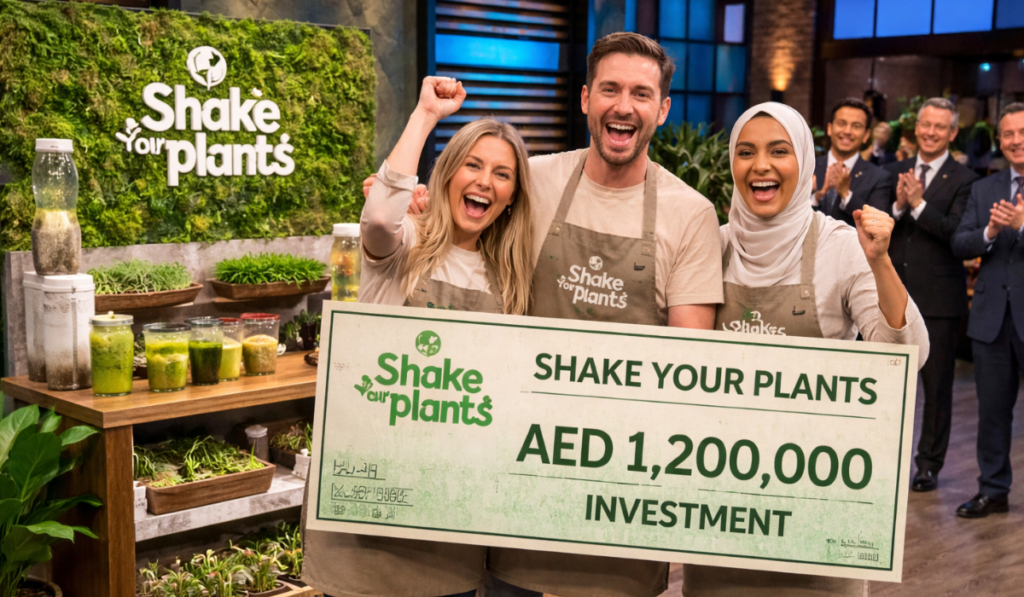
Dubai-based wellness startup Shake Your Plants (SYP) has secured AED 1.2 million in funding following a successful appearance on Shark Tank Dubai, marking a pivotal milestone in the brand’s growth journey.
Founders Lia Coelho and Justine Dampt closed a deal with Amira Sajwani, Managing Director of DAMAC Properties and Founder of Prypco, in exchange for 20% equity. The agreement also includes a AED 2 million line of credit — providing both strategic backing and operational runway.
The founders also received competing offers from Elie Khoury, Chairman of Vivium Holding, and Mona Ataya, founder of Mumzworld, reflecting strong investor confidence in the plant-powered beverage concept.
Dampt described the partnership as more than capital. “Strategic support matters just as much as funding,” she noted, emphasizing the importance of scaling responsibly while maintaining founder control.
Built From Resilience
Shake Your Plants was born during the COVID-19 lockdowns, when Dampt began experimenting with plant-based wellness powders in her kitchen. With a background as a certified nutritionist and health coach, she wanted to create a hydration drink that moved beyond traditional sugary electrolyte formulas.
The result: kombucha-based sachets designed to turn water into a functional wellness drink — supporting gut health and hydration.
But the road was far from smooth.
In 2022, just days before a major launch, the company was forced to recall 80,000 sachets due to a manufacturing-related crystallisation issue. The setback nearly derailed the business.
Instead of retreating, the founders pursued accountability. After months of investigation, the manufacturer accepted responsibility. Dampt even relocated temporarily to Germany to resolve the dispute — a make-or-break chapter that ultimately strengthened the company’s resilience.
Reimagining Hydration
The SYP philosophy is simple: use water as a vehicle for wellness.
The brand focuses on:
- No added sugars
- No artificial colours
- Plant-powered ingredients
- Kombucha fermentation
- Carefully sourced components, including UK-grown organic blueberries
Each sachet is priced below AED 8.50, positioning the product as accessible wellness rather than premium exclusivity.
Globally, hydration and functional beverage demand is rising. According to the World Health Organization, inadequate hydration and poor nutrition remain widespread public health challenges, reinforcing consumer interest in preventative wellness products.
SYP also integrates sustainability into its sourcing approach by prioritising “imperfect” fruits — reducing food waste while lowering its environmental footprint.
Community Led Growth
Rather than relying heavily on celebrity endorsements, Shake Your Plants has embraced micro-influencer marketing and community storytelling.
Transparency around challenges, ingredient sourcing and founder life has helped build authenticity — a key factor in modern brand trust.
The company currently offers three core products focused on hydration and gut health, with new formulas targeting sleep and energy in development.
Expansion plans include entry into Saudi Arabia and the UK, where consumer testing is already underway.
Female Founder Edge
Dampt and Coelho openly discuss the realities of entrepreneurship — particularly as women balancing business and motherhood.
“There’s no such thing as perfect balance,” Dampt has shared, describing the experience as full-time founder meets full-time parent. Rather than seeing it as a disadvantage, the duo views it as a driver of sharper focus and disciplined execution.
Their Shark Tank win signals more than a funding milestone — it reflects a growing appetite in the UAE for wellness-driven consumer brands with strong founder narratives.
Reason for More Water – Sustainability
As temperatures rise during the summer months, staying hydrated becomes increasingly important. The founders of SYP point to research indicating that around 94% of people experience chronic dehydration, while 92% have deficiencies in essential vitamins or minerals. They see this as an opportunity to transform hydration into a healthier and more enjoyable daily habit.
The company currently offers three products centered on hydration and gut health, all formulated with naturally sourced, high-quality ingredients. Its kombucha-based sachets combine premium components such as organic blueberries from the UK and fermented tea sourced from Taiwan.
Free from added sugars and artificial colors, the products are designed to appeal to health-conscious consumers while remaining affordable, with each sachet priced below AED 8.50. According to co-founder Lia, however, the real differentiator is flavor. She believes that regardless of a product’s health benefits, consumers will only make it part of their routine if it tastes genuinely good. While the idea may seem straightforward, delivering both nutrition and great taste is something many brands struggle to achieve.
SYP is steadily building a loyal customer base, supported by collaborations with micro-influencers who promote the products through authentic social media content. Some creators have even volunteered to endorse the brand without compensation, reflecting growing enthusiasm for its offerings. The company is also preparing to launch another product before the end of the year. Humanity has discovered that strangers on the internet can sometimes be more convincing than multimillion-dollar advertising campaigns. Peculiar, but effective.
Co-founder Coelho believes transparency is central to the brand’s long-term success. By openly sharing the realities of building the business, discussing its challenges, and providing complete visibility into the ingredients used in every product, the company aims to foster trust and cultivate a strong, engaged community.
FAQs – Frequently Asked Questions
Shake Your Plants (SYP) is a Dubai-based wellness startup that produces plant-powered hydration drinks. Its kombucha-based sachets are designed to support hydration and gut health using natural ingredients without added sugars or artificial colours.
Shake Your Plants secured AED 1.2 million in investment after appearing on Shark Tank Dubai. The agreement also included a AED 2 million line of credit, providing additional financial flexibility for the company’s growth plans.
The investment came from Amira Sajwani, Managing Director of DAMAC Properties and Founder of Prypco. She acquired a 20% equity stake in the company while also providing strategic support alongside the funding.
The startup impressed investors with its innovative approach to functional hydration, strong founder story, growing market opportunity, and commitment to natural, plant-based wellness products.
Unlike many sports or electrolyte drinks, Shake Your Plants products contain no added sugars or artificial colours. They use kombucha fermentation and carefully sourced plant-based ingredients to promote both hydration and gut health.
The company uses naturally sourced ingredients, including fermented kombucha tea and organic blueberries grown in the UK. It also prioritizes high-quality plant-based ingredients while avoiding artificial additives.
Each hydration sachet is priced at less than AED 8.50, making the products accessible to consumers seeking affordable daily wellness solutions.
Kombucha-based drinks may help support gut health through fermentation while encouraging better hydration. Combined with plant-based ingredients, they can provide a healthier alternative to sugary beverages, although individual benefits may vary.
Growing awareness of dehydration, nutritional deficiencies, and preventative healthcare has increased demand for functional beverages that offer health benefits beyond simply quenching thirst.
The company reduces food waste by sourcing imperfect fruits that are still nutritionally valuable. This approach helps minimise environmental impact while making better use of agricultural produce.
In 2022, the startup voluntarily recalled around 80,000 sachets after discovering a manufacturing-related crystallisation issue. The founders worked closely with the manufacturer to resolve the problem before continuing the company’s expansion.
Instead of relying primarily on celebrity endorsements, the brand focuses on micro-influencers, authentic customer experiences, and transparent storytelling to build trust and grow its community.
The company currently offers three hydration and gut health products. It is also developing additional formulations focused on improving sleep and supporting natural energy levels.
Following its success in the UAE, Shake Your Plants plans to expand into Saudi Arabia and the United Kingdom, where product testing and market validation are already underway.
Consumers increasingly trust brands that openly communicate their challenges, sourcing practices, and business journey. Transparency helps build credibility, strengthen customer relationships, and encourage long-term brand loyalty.
The company’s journey demonstrates that resilience, product quality, transparency, and strategic partnerships can be just as important as securing investment. Overcoming setbacks while staying focused on long-term goals can help build a stronger and more sustainable business.
Consumers are increasingly looking for drinks that provide additional health benefits such as hydration, digestive support, improved energy, or better nutrition. This shift has accelerated demand for functional beverages made with natural ingredients.
The startup combined several qualities that investors typically value: a fast-growing wellness market, a differentiated product, resilient founders who had overcome significant challenges, and a scalable business model with international expansion potential.
Dwayne Paschke is a seasoned content strategist and AI automation specialist with over nine years of experience at the intersection of journalism and digital innovation. A versatile force in the media landscape, Dwayne has built a reputation as an expert content writer and investigative journalist, contributing high-impact pieces to various reputable news websites.
The post From Kitchen Experiment to Shark Tank Deal: “Shake Your Plants” Secures AED 1.2M Investment appeared first on Disruptors Digest.
]]>The post Fertiglobe to Launch Abu Dhabi Low-Carbon Ammonia Facility 2027 appeared first on Disruptors Digest.
]]>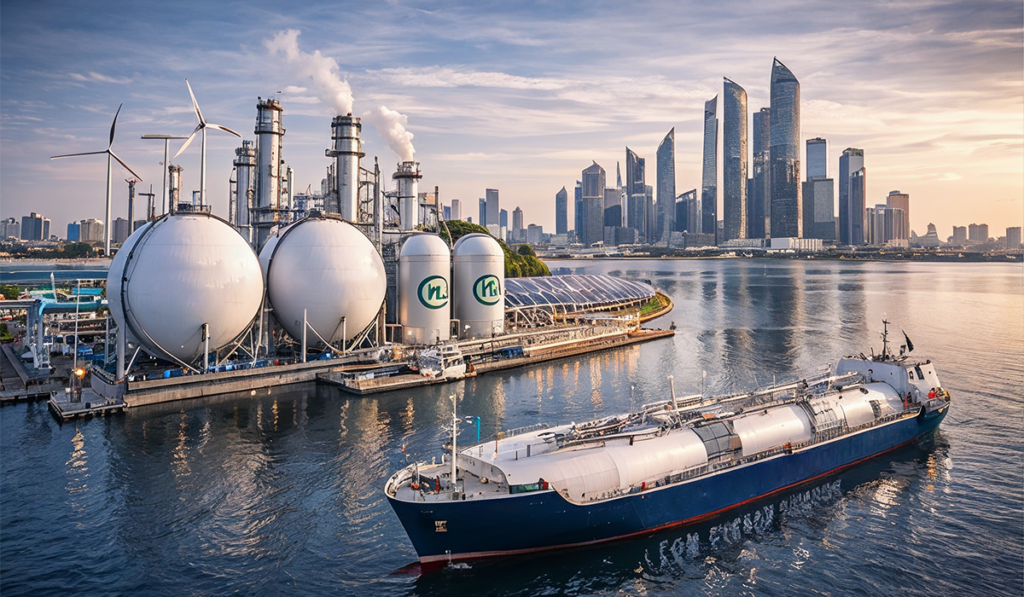
Fertiglobe, the Abu Dhabi-headquartered nitrogen fertilizer producer, has confirmed that its one-million-tons-per-annum lower-carbon ammonia project in Ruwais is expected to commence operations in 2027, according to its fourth-quarter 2025 financial results.
Known as “Project Harvest,” the facility is being developed within the TA’ZIZ Industrial Chemicals Zone in Ruwais Industrial City. The consortium is led by Fertiglobe, alongside TA’ZIZ — a joint venture between ADNOC and ADQ — as well as Japan’s Mitsui & Co. and South Korea’s GS Energy Corporation.
Construction Progress and Investment
The project reached Final Investment Decision (FID) in July 2024, with construction beginning later that year. According to disclosures published via the Abu Dhabi Securities Exchange (ADX), the ammonia facility is now more than 70 per cent complete.
Italy’s Tecnimont has been appointed as the Engineering, Procurement and Construction (EPC) contractor, while US-based KBR is supplying the core ammonia process technology.
Fertiglobe has indicated that total capital expenditure is expected to remain below $500 million, supported by integration with existing infrastructure and feedstock availability in Ruwais.
Lower Carbon Ambition
A preliminary Life Cycle Assessment (LCA) study suggests that the plant aims to produce ammonia with up to 50 per cent lower carbon intensity compared to conventional production methods.
Additional emissions reductions are expected through carbon capture and sequestration initiatives in subsequent phases, in line with broader ADNOC sustainability strategy announcements.
Fertiglobe noted that logistical synergies with ADNOC — which holds an 86.2 per cent stake in the company — will be realised through integration with the TA’ZIZ industrial ecosystem.
The company also retains the option to increase its ownership in Project Harvest to 54 per cent following completion, up from its current 30 per cent stake.
Broader Low-Carbon Strategy
Separately, the company stated in its Q4 2025 investor filing that it expects a Final Investment Decision in the coming months for its Egypt Green Hydrogen project.
The Ruwais development reflects Abu Dhabi’s ambition to strengthen its position in clean fuels, hydrogen-linked supply chains, and lower-carbon industrial production.
‘Grow 2030’ Strategy
El-Hoshy highlighted the company’s steady progress under its ‘Grow 2030’ strategy, which was introduced during the company’s Capital Markets Day in May.
According to Fertiglobe, the company has already achieved around 38% of its 2030 growth objectives, driven by enhancements in manufacturing operations, cost optimization initiatives, and the integration of artificial intelligence across its business.
The company is also benefiting from the broader ecosystem of its majority shareholder, ADNOC, by utilizing shared logistics and utility infrastructure while lowering capital expenditure requirements. El-Hoshy noted that this collaboration has streamlined operations and reduced costs across several projects, including Project Harvest in the UAE. Construction on the project began in the third quarter of 2024, with the facility targeting an annual production capacity of 1 million metric tons of low-carbon ammonia by 2027.
Fertiglobe is simultaneously advancing other strategic initiatives, including Egypt Green, which is designed to produce green ammonia using electrolysis technology, and Project Baytown, a low-carbon ammonia venture in which Fertiglobe holds a minority stake alongside ADNOC and ExxonMobil. Both developments remain in the planning phase.
On October 1, Fertiglobe finalized the acquisition of Wengfu Australia’s distribution assets. The acquired business became self-financing within two months of completion and is projected to deliver approximately $23 million in additional annual earnings by 2030.
El-Hoshy emphasized that the company’s long-term ambition extends beyond simply supplying these products. Instead, Fertiglobe intends to strengthen its trading capabilities by sourcing products efficiently and expanding distribution into key Southeast Asian markets.
The company also identified increased production of diesel exhaust fluid and automotive-grade urea as important future growth opportunities. Together, these businesses are expected to contribute an estimated $22 million in additional annual earnings by 2030.
| Project | Location | Ammonia Capacity (Million mt/year) | Renewable / CCS-enabled | Electrolysis Capacity (MW) | Current Status | Planned Start Date |
|---|---|---|---|---|---|---|
| Harvest | UAE | 1 | CCS based on Rabdan rephasing | – | In construction (underway since Q3 2024) | Underway since Q3 2024 |
| Project Baytown | United States | >1 | CCS | – | Still being evaluated | 2029 |
| Egypt Green (Ain Sokhna) | Egypt | <0.1 | Renewable | 100 | Final Investment Decision (FID) expected in the coming months | 2028 |
| Rabdan | UAE | 1 | CCS | – | Rephase (could restart in the future) | To be announced |
Useful Resource: https://fertiglobe.com/fertiglobe-becomes-adnocs-vehicle-for-low-carbon-ammonia-growth-globally/
$2.42 Billion Distributed to Shareholders Since IPO
Fertiglobe has continued to prioritize shareholder returns while pursuing long-term growth through its disciplined capital allocation strategy. As part of this approach, the company recently approved an interim cash dividend of $150 million for the first half of 2024, which is scheduled to be paid this month.
With this latest distribution, Fertiglobe’s total dividend payments since its October 2021 initial public offering (IPO) will reach $2.42 billion, placing the company among the sector’s top performers in terms of dividend yield and overall shareholder returns. Based on the newly announced interim payout, the annualized dividend yield stands at approximately 5%, underscoring the company’s continued focus on rewarding investors.
Looking ahead, Fertiglobe intends to maintain a strong dividend policy supported by ongoing value creation initiatives. These include its Manufacturing Improvement Plan (MIP) and broader cost optimization program, which together are expected to generate approximately $150 million in additional annual EBITDA by the end of 2025.
Dwayne Paschke is a seasoned content strategist and AI automation specialist with over nine years of experience at the intersection of journalism and digital innovation. A versatile force in the media landscape, Dwayne has built a reputation as an expert content writer and investigative journalist, contributing high-impact pieces to various reputable news websites.
The post Fertiglobe to Launch Abu Dhabi Low-Carbon Ammonia Facility 2027 appeared first on Disruptors Digest.
]]>