The post Amazon Expands Health AI Assistant to Main Platform as Tech Giants Accelerate AI Healthcare Push appeared first on Disruptors Digest.
]]>
Technology giant, Amazon, is expanding its artificial intelligence-powered healthcare assistant, Health AI, to a broader audience by integrating it directly into the company’s website and mobile application.
The move marks a significant step in Amazon’s growing ambition to reshape digital healthcare services using AI-powered tools.
Previously, the assistant was only available through One Medical, the primary-care provider Amazon acquired for $3.9 billion in 2023, according to reporting from TechCrunch. With the latest rollout, Amazon is making Health AI accessible to a much larger group of users through its main digital ecosystem.
The expansion allows individuals to interact with Health AI directly through Amazon’s platform without needing to be Prime subscribers or members of One Medical.
What Amazon’s Health AI Assistant Can Do
Amazon’s Health AI assistant is designed to function as a digital healthcare companion capable of answering health-related questions, explaining medical information, and assisting users in navigating healthcare services.
According to Amazon’s announcement, the AI system can help users:
- Understand lab test results
- Interpret health records
- Renew prescriptions
- Schedule medical appointments
- Connect with healthcare providers
The assistant can also provide general guidance about symptoms and treatments, helping users better understand potential health conditions before seeking professional care.
Users may ask questions such as explaining cholesterol results or seeking advice about common symptoms like congestion, sore throat, or allergies.
Through integration with the Health Information Exchange – a secure nationwide network used to share patient medical data—Health AI can access a user’s medical history with permission.
This allows the system to provide more personalized responses based on real medical records, including diagnoses, medications, and laboratory results.
Privacy and Security Concerns Around AI Healthcare
Despite the convenience offered by AI-driven healthcare tools, privacy experts have raised concerns about how sensitive medical data may be handled by technology companies.
Health data is among the most sensitive forms of personal information, and researchers have warned users to be cautious when sharing medical details with AI systems.
Amazon states that conversations with Health AI occur within a HIPAA-compliant environment, referring to the standards established under the Health Insurance Portability and Accountability Act, which regulates how healthcare data is protected in the United States.
According to the company, all interactions are protected through encryption and strict access controls designed to prevent unauthorized access to patient information.
Amazon also emphasized that it trains its AI models using abstracted data patterns rather than identifiable patient information. For example, if many users ask about medication interactions, the system may learn from these patterns while keeping individual identities anonymous.
However, the company has not yet provided detailed information on exactly how conversation data is encrypted or who may have internal access to these interactions.
Integration With One Medical Providers
In addition to answering questions, Health AI can connect users directly with medical professionals from One Medical.
For Amazon Prime members in the United States, the service includes up to five free direct-message consultations with One Medical providers for more than 30 common health conditions.
These conditions include cold and flu symptoms, urinary tract infections, allergies, pink eye, acid reflux, hair loss, and certain skin concerns.
Users who are not Prime members can still access One Medical physicians through Amazon’s pay-per-visit telehealth option, allowing them to receive professional medical guidance without maintaining an ongoing subscription.
To use the new system, users must sign in to their Amazon Health profile and start a conversation with the assistant through the Amazon website or mobile application.
AI Competition Intensifies in Healthcare
Amazon’s expansion of Health AI reflects a broader trend in which major technology companies are rapidly entering the digital healthcare sector.
In early 2026, OpenAI introduced ChatGPT Health, a version of its chatbot specifically designed to address medical questions.
Shortly afterward, AI company Anthropic launched Claude for Healthcare, another AI-powered system focused on assisting with medical information and healthcare workflows.
These developments highlight how artificial intelligence is increasingly being integrated into healthcare services, with companies competing to build tools that improve patient access to medical information while reducing pressure on traditional healthcare systems.
Future of AI in Healthcare
Amazon’s Health AI initiative represents another major step in the transformation of healthcare through artificial intelligence. By combining digital assistants with telehealth services and patient data systems, companies are attempting to create more accessible healthcare experiences.
However, as AI healthcare tools become more widespread, issues surrounding privacy, data protection, and medical accuracy will remain critical concerns for regulators and users alike.
For now, Amazon’s expansion of Health AI signals that the technology industry’s race to redefine healthcare through artificial intelligence is only just beginning.
FAQs – Frequently Asked Questions
Amazon Health AI is an artificial intelligence-powered healthcare assistant integrated into Amazon’s website and mobile app. It helps users understand medical information, interpret lab results, answer health-related questions, connect with healthcare providers, renew prescriptions, and schedule medical appointments.
Yes. Amazon has expanded Health AI beyond One Medical members, making it accessible through the Amazon website and mobile application. Users no longer need a One Medical membership or an Amazon Prime subscription to access the basic AI healthcare assistant, although certain telehealth benefits remain exclusive to eligible users.
Amazon Health AI can explain laboratory test results, interpret medical records, answer general health questions, provide educational information about symptoms and treatments, help users renew prescriptions, schedule appointments, and connect them with healthcare providers when appropriate.
With a user’s permission, Amazon Health AI can access information from connected Health Information Exchange (HIE) systems to provide more personalized responses. This may include reviewing medical history, diagnoses, medications, and laboratory results to offer context-aware healthcare guidance.
Amazon states that Health AI operates within a HIPAA-compliant environment designed to protect sensitive healthcare information. According to the company, user interactions are secured through encryption, access controls, and privacy safeguards that comply with U.S. healthcare data protection regulations.
One Medical is Amazon’s primary healthcare service that provides access to licensed medical professionals through in-person and virtual care. Health AI serves as an AI-powered assistant that helps users understand medical information and navigate healthcare services, while One Medical providers deliver professional medical diagnosis, treatment, and clinical care.
Amazon Health AI focuses on integrating AI assistance with Amazon’s healthcare ecosystem and One Medical services. ChatGPT Health and Claude for Healthcare are AI-powered healthcare assistants developed by OpenAI and Anthropic, respectively, with their own approaches to medical information, clinical workflows, and healthcare support. All three reflect the growing use of artificial intelligence to improve access to healthcare information.
The primary concerns include protecting sensitive medical information, ensuring compliance with healthcare privacy regulations, preventing unauthorized access to patient data, maintaining transparency in AI decision-making, and ensuring that AI-generated health information complements rather than replaces advice from qualified healthcare professionals. Users should always consult licensed medical providers for diagnosis, treatment, or medical emergencies.

Dwayne Paschke is a seasoned content strategist and AI automation specialist with over nine years of experience at the intersection of journalism and digital innovation. A versatile force in the media landscape, Dwayne has built a reputation as an expert content writer and investigative journalist, contributing high-impact pieces to various reputable news websites.
The post Amazon Expands Health AI Assistant to Main Platform as Tech Giants Accelerate AI Healthcare Push appeared first on Disruptors Digest.
]]>The post Inside the Foodics POS Story – Reviews, History, Vision and Ecosystem appeared first on Disruptors Digest.
]]>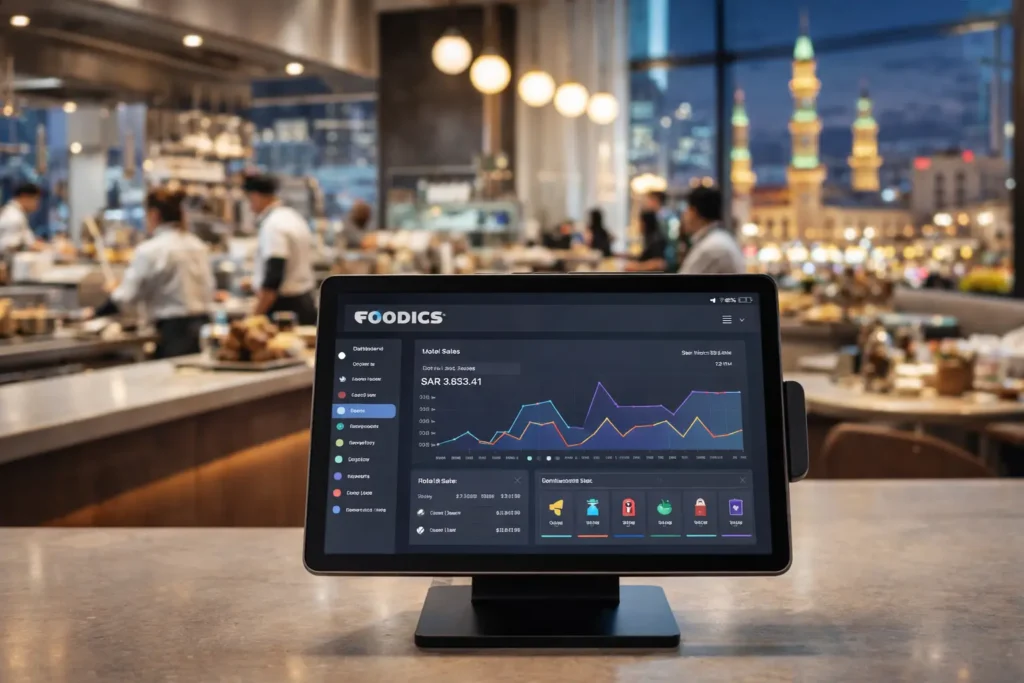
Six billion orders. That is the staggering volume of transactions that have flowed through a single digital pipeline since 2014, transforming what was once a landscape of “organized chaos” into a data-driven frontier for the Middle East’s food and beverage industry.
While diners see a sleek iPad at the counter, the reality behind the screen is a complex, multi-billion-dollar infrastructure that has become the silent nervous system for over 30,000 restaurants, cafes, and cloud kitchens.
In the high-stakes world of hospitality tech, Foodics is no longer just a startup; it is a regional heavyweight attempting to solve the oldest problem in the business: how to stop a kitchen from burning cash.
Two Students and a Paper Problem
The story did not begin in a boardroom, but in the crowded local cafes of Saudi Arabia. In 2014, Ahmad Al-Zaini and Mosab Al-Othmani, then students, noticed a recurring friction point: the static nature of the industry. Every time a restaurant wanted to change a price or add a seasonal special, they had to reprint physical menus. Digitalization was non-existent; the “backend” was often a stack of paper receipts and a prayer.
“We sensed there was a lack of digitalization in the Food and Beverage sector, especially in the ordering process,” Al-Zaini recalls. The initial spark was simple: digital tablets for menus. However, the founders quickly realized that a digital menu was merely a cosmetic fix for a structural crisis. To truly disrupt the market, they needed to build a cloud-based “one-stop-shop” that could handle everything from the first customer click to the final supplier payment.
Building the Cloud Architecture
Transitioning from a digital menu to a comprehensive Point of Sale (POS) and Restaurant Management System (RMS) required more than just code; it required a fundamental shift in how Saudi entrepreneurs viewed their data. Operating out of Riyadh, Al-Zaini (CEO) and Al-Othmani (CTO) began pitching a cloud-based future where a restaurant owner could manage an entire franchise from an iPad.
The early days were defined by the struggle to bridge the gap between “front of house” service and “back office” logistics. By moving the POS to the cloud, Foodics allowed real-time synchronization that was previously impossible for small food trucks or even established fast-food chains. The success signals came early as thousands of businesses across the Middle East, starving for efficiency, began swapping their legacy systems for the iPad-based solution.
Also Read: Mohamad Ballout With Kitopi Turned Empty Kitchens Into a Billion-Dollar Machine
Vision And A Complete Ecosystem
Under the leadership of Al-Zaini, Foodics has evolved into an ambitious “restaurant management ecosystem”. The leadership style is rooted in aggressive expansion and local presence; the company has invested heavily in human support on the ground in markets like the UAE, Egypt, and Jordan to build trust within the F&B community.
The vision is clear: to move beyond the kitchen. UAE Country Manager Niharika describes the industry as “organized chaos” and positions Foodics as the bridge to operational efficiency. This vision has recently expanded toward the broader hospitality sector, including hotels, through strategic partnerships with government entities.
How the Money Moves
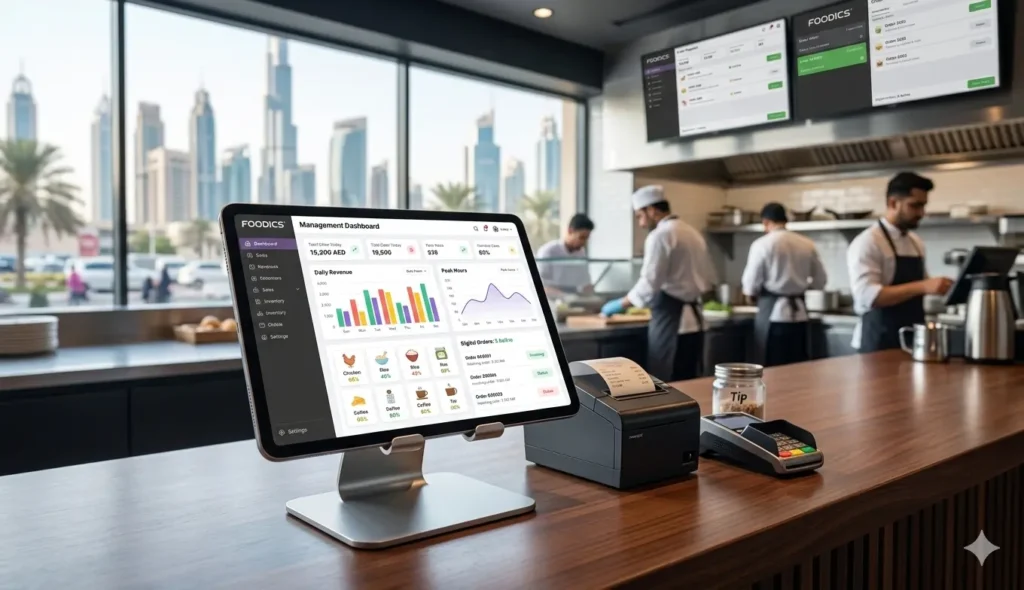
Foodics operates on a Software-as-a-Service (SaaS) model, with pricing starting at approximately $54 (or £42) per user, per month. This subscription revenue is the bedrock, but the real value lies in its modularity. The platform isn’t just one app; it is a marketplace of over 100 integrations.
The product suite is deep:
- Foodics Pay: An integrated payment solution allowing secure digital and card transactions.
- Inventory Management: Automated tracking that notifies owners when stock is low, reducing waste and manual errors.
- Accounting & HR: A dedicated dashboard for tracking bank balances (up to 10 accounts), profit/loss flow charts, and even employee loans and nationalities.
- Foodics One: A single-device solution with a built-in cashier for micro-retailers.
By integrating with procurement platforms like Suplyd, Foodics can automate the entire supply chain, theoretically eliminating human error in ordering raw materials.
The Accelerator of a Global Crisis
While many businesses crumbled during the 2020 pandemic, the hospitality industry’s shift toward e-commerce and take-out created a massive market opportunity for Foodics. “We witnessed a significant acceleration in the digitization of operations,” says Al-Zaini.
The company pivoted quickly to support cloud kitchens and launched Foodics PAY to meet the sudden surge in demand for contactless digital payments. This period proved that digital tools were no longer a luxury but a survival requirement. Beyond the pandemic, the company has shown a knack for community-driven breakthroughs, such as replacing hardware for free for UAE customers affected by recent floods.
Related Article: Calo’s Case Study in Customer-Obsessed Culture and Rapid Scaling
The Real World Reality Check – Foodics Reviews
Despite its meteoric growth and a high 4.5/5 rating on some software comparison sites when you search for Foodics reviews, actually Foodics faces a vocal segment of dissatisfied users. On platforms like Trustpilot, the company holds a 2.3/5 rating, with critics citing a sharp disconnect between “best-in-class” marketing and “nearly dead” ground support.
Investigation into user experiences reveals recurring pain points:
- Implementation Delays: Some business owners, like the management at Indomie Cafe in Nigeria, reported losing thousands of dollars in sales due to delays in setting up “Foodics Online”.
- Support Bottlenecks: Users have complained that chat support is often unhelpful and that on-ground technicians can take up to seven days to arrive.
- Financial Penalties: One high-profile complaint involved the depositing of post-dated cheques even after a business had officially closed, leading to claims of a lack of accountability.
This is where things get interesting: can a tech giant scale its human support as fast as its software?
Standing Out in a Crowded Market
Foodics does not operate in a vacuum. It faces stiff competition from global players like Toast POS, Square, and Lightspeed, as well as regional rivals like Grubtech.
Its primary advantage remains its deep regional integration, including support for Arabic and French, and a specific focus on the regulatory and tax environments (like ZATCA in Saudi Arabia) of the MENA region. However, competitors like Toast often outshine it in terms of sheer volume of verified positive reviews in the global market. Foodics counters this by positioning itself as the most comprehensive “all-in-one” solution specifically tailored for the Middle Eastern hospitality landscape.
The Data Driven Kitchen of 2026
The future of Foodics appears to be a bet on “Big Data” and Artificial Intelligence. Through integrations with platforms like Apicbase, the system is moving toward “Demand Forecasting”—using historical sales data to predict exactly how many tomatoes or kilograms of meat a restaurant will need next Tuesday.
This level of integration aims to “close the gap” between theoretical food costs and actual costs, which is often where restaurant profits disappear. By synchronising the front-of-house sales mix with back-of-house inventory down to the raw ingredient, Foodics is attempting to make the “unprofitable menu item” a thing of the past.
Digital Transformation of Foodics
Foodics has grown from a student’s observation in a cafe to a regional titan present in over 160 countries. It has successfully processed billions of orders and provided a digital lifeline to over 30,000 restaurants.
For entrepreneurs, there’s a lesson hidden here: innovation is rarely about the “bright idea” and almost always about the “infrastructure” that supports it.
As it eyes the broader hospitality and hotel sectors, the company’s biggest challenge will not be its code, but its culture. Balancing aggressive sales and rapid geographical expansion with the “empathy” and “support” it promises its users will determine whether Foodics remains the region’s preferred partner or becomes a cautionary tale of scaling too fast. For now, it remains the definitive architect of the Middle East’s digital dining revolution.
FAQs – Frequently Asked Questions
Foodics is a cloud-based Point of Sale (POS) and Restaurant Management System (RMS) designed for restaurants, cafes, food trucks, cloud kitchens, and other hospitality businesses. It helps businesses manage orders, payments, inventory, accounting, staff, customer data, and business analytics through a single integrated platform.
Foodics was founded in 2014 by Ahmad Al-Zaini and Mosab Al-Othmani in Saudi Arabia. What began as an idea to digitize restaurant menus evolved into one of the Middle East’s leading hospitality technology platforms serving thousands of businesses across the region.
Foodics is suitable for restaurants, cafes, coffee shops, bakeries, cloud kitchens, quick-service restaurants (QSRs), food trucks, fine dining establishments, and small retail businesses. Its cloud-based system supports both single-location businesses and multi-branch restaurant chains.
Foodics offers a comprehensive suite of features including cloud-based POS, inventory management, payment processing through Foodics Pay, accounting and HR tools, customer relationship management (CRM), sales reporting, multi-branch management, online ordering, and integrations with more than 100 third-party business applications.
Yes. Although Foodics was founded in Saudi Arabia, it has expanded across the Middle East and North Africa, including the UAE, Egypt, Jordan, Kuwait, Bahrain, and other markets. The platform also serves businesses internationally through its cloud-based infrastructure and multilingual support.
Foodics is widely recognized for its cloud-based technology, user-friendly interface, extensive integrations, and restaurant-focused features. However, some users have reported challenges related to implementation timelines, customer support responsiveness, and onboarding experiences. Businesses should evaluate both its strengths and customer reviews before selecting a POS solution.
Foodics leverages artificial intelligence, demand forecasting, and real-time business analytics to help restaurants optimize inventory, predict customer demand, reduce food waste, improve operational efficiency, and make more informed business decisions based on historical sales data.
Foodics competes with platforms such as Toast POS, Square, Lightspeed, and Grubtech. Its primary advantage lies in its deep focus on the Middle East and North Africa (MENA) market, offering localized features, Arabic language support, regional tax compliance, and integrations tailored specifically for hospitality businesses operating within the region.
Dwayne Paschke is a seasoned content strategist and AI automation specialist with over nine years of experience at the intersection of journalism and digital innovation. A versatile force in the media landscape, Dwayne has built a reputation as an expert content writer and investigative journalist, contributing high-impact pieces to various reputable news websites.
The post Inside the Foodics POS Story – Reviews, History, Vision and Ecosystem appeared first on Disruptors Digest.
]]>The post Dr. Hani Nachawati from American Hospital Dubai – Rare Jaw Tumor Surgery appeared first on Disruptors Digest.
]]>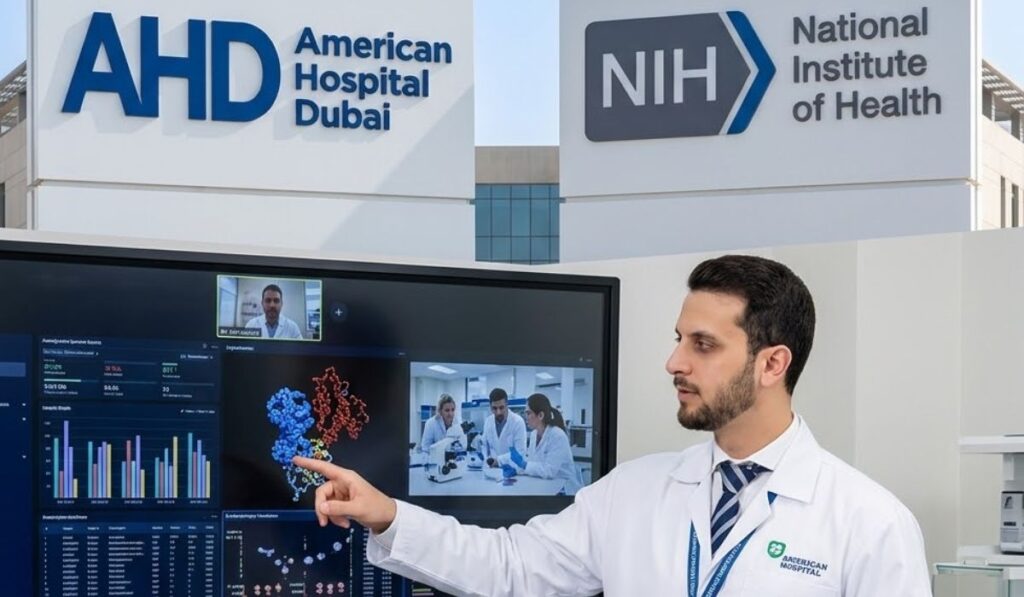
Dubai’s American Hospital Dubai has successfully performed a rare and highly complex surgical procedure to remove and reconstruct a patient’s jaw affected by an uncommon tumor, marking an important milestone in advanced medical care in the UAE.
The operation involved treating an odontogenic myxoma, a rare benign tumor that forms in the jawbone and originates from tissues associated with tooth development.
According to clinical information published by the National Institutes of Health, odontogenic myxoma is an uncommon tumor that can grow aggressively within the jaw and often requires complex surgical management.
The procedure carried out in Dubai required highly specialised surgical expertise and advanced planning technology, making it one of the most sophisticated operations of its kind performed in the country.
Rare Tumor Detected After Routine Examination
The patient, a female who had previously undergone tumor treatment in the United Kingdom in 2000, was initially treated through tumor excision and tissue removal. Years later, during a routine dental check-up, panoramic radiographs revealed unusual changes in the jawbone.
Concerned about the findings, the patient sought further evaluation at American Hospital Dubai, where doctors conducted extensive diagnostic assessments including advanced imaging scans, clinical examinations, and a biopsy.
The tests confirmed the presence of a large recurrent tumor affecting the left mandible, the lower jawbone responsible for essential functions such as chewing, speaking, and facial structure support.
Complex Surgical Plan Developed
Due to the size and progression of the tumor, Dr. Hani Nachawati, Consultant Oral Surgeon and Implantologist at American Hospital Dubai, determined that the most effective treatment would require a hemimandibulectomy.
A hemimandibulectomy is a surgical procedure that removes a portion or half of the mandible, or lower jawbone.
According to the American Association of Oral and Maxillofacial Surgeons, such procedures are typically used to treat severe jaw tumors, infections, trauma, or congenital conditions.
In this particular case, surgeons performed a left hemimandibulectomy while preserving the mandibular condyle, a critical part of the jaw joint that connects the jawbone to the skull through the temporomandibular joint (TMJ).
The preservation of this structure was essential for maintaining jaw movement and facial symmetry.
Advanced 3D Surgical Planning
To ensure maximum precision, the surgical team used 3D CAD/CAM planning technology, allowing doctors to create a detailed virtual surgical plan before entering the operating room.
Such digital surgical planning has become increasingly important in complex reconstructive procedures, enabling surgeons to simulate tumor removal and design the reconstruction process in advance.
According to research published by the National Library of Medicine, computer-assisted surgical planning significantly improves accuracy in maxillofacial reconstruction procedures.
Jaw Reconstruction Using Microvascular Surgery
After removing the affected section of the jaw, surgeons immediately reconstructed the bone using a fibular free flap, a sophisticated microvascular technique widely used in reconstructive surgery.
The fibular free flap involves transferring a segment of bone from the patient’s lower leg (fibula) to replace the removed jawbone. Blood vessels are then carefully reconnected under a microscope to restore blood circulation to the transplanted bone.
This technique helps restore both functional movement and facial structure, enabling patients to regain the ability to chew, speak, and maintain natural facial contours.
Multidisciplinary Surgical Collaboration
The demanding 12-hour surgery was carried out by a multidisciplinary team at American Hospital Dubai, combining expertise from multiple specialties.
The team included Dr. Hani Nachawati, along with ENT surgeon Dr. Roy, and plastic surgeons Dr. Tracia and Dr. Ali, supported by anesthesiology and intensive care specialists.
Such multidisciplinary collaboration is essential for complex head and neck surgeries, where surgeons must coordinate tumor removal, reconstruction, and patient recovery simultaneously.
Successful Recovery and Medical Innovation
Following the procedure, doctors reported that both the surgery and the post-operative recovery proceeded smoothly. The patient achieved strong functional outcomes along with a natural aesthetic appearance.
Medical experts note that procedures of this complexity highlight the growing capabilities of hospitals in the UAE to perform advanced surgical treatments that were once only available in major global medical centers.
American Hospital Dubai has built a strong reputation for treating complex diseases through advanced technology, specialised surgical teams, and multidisciplinary medical care.
The successful treatment of this rare tumor case demonstrates how cutting-edge surgical techniques, combined with detailed digital planning and collaboration among specialists, can significantly improve patient outcomes in complex medical conditions.
As healthcare innovation continues to advance, hospitals in the UAE are increasingly contributing to the development of world-class medical capabilities across the region.
FAQs – Frequently Asked Questions
Dr. Hani Nachawati is a consultant specializing in oral and maxillofacial surgery at American Hospital Dubai. He is experienced in treating complex facial conditions, including jaw tumors, facial trauma, reconstructive surgery, and advanced oral surgical procedures using modern surgical techniques.
The patient was diagnosed with a rare jaw tumor that required complex surgical removal followed by advanced reconstructive procedures. Such tumors can affect the jawbone, surrounding tissues, and facial function, making specialized treatment essential for successful outcomes.
Advanced jaw reconstruction involves restoring the structure and function of the jaw after tumor removal or severe injury. Surgeons may use digital surgical planning, 3D imaging, patient-specific implants, bone grafts, or microvascular free-flap reconstruction to achieve accurate functional and aesthetic results.
Digital surgical planning allows surgeons to create detailed 3D models before the procedure, helping them visualize the anatomy, design personalized reconstruction plans, improve surgical precision, reduce operating time, and enhance patient recovery.
Symptoms of a jaw tumor can include persistent jaw swelling, facial pain, numbness, difficulty chewing, loose teeth, changes in facial appearance, or limited jaw movement. Since symptoms vary depending on the tumor type, early evaluation by a specialist is important for accurate diagnosis and timely treatment.
Complex jaw tumor treatment often requires collaboration between oral and maxillofacial surgeons, radiologists, oncologists, pathologists, anesthesiologists, reconstructive surgeons, and rehabilitation specialists. This multidisciplinary approach helps ensure comprehensive treatment planning, surgical precision, and improved long-term patient outcomes.
Modern reconstructive surgery helps restore jaw function, facial symmetry, speech, chewing ability, and overall quality of life. Personalized reconstruction techniques also reduce complications and support better cosmetic and functional recovery.
American Hospital Dubai is known for offering advanced medical technologies, experienced multidisciplinary teams, and specialized treatment for complex conditions across multiple medical specialties. Its focus on innovation, digital healthcare solutions, and patient-centered care enables it to manage challenging surgical cases using internationally recognized standards.
Dwayne Paschke is a seasoned content strategist and AI automation specialist with over nine years of experience at the intersection of journalism and digital innovation. A versatile force in the media landscape, Dwayne has built a reputation as an expert content writer and investigative journalist, contributing high-impact pieces to various reputable news websites.
The post Dr. Hani Nachawati from American Hospital Dubai – Rare Jaw Tumor Surgery appeared first on Disruptors Digest.
]]>The post Altibbi’s App – A Family’s Medical Glossary Transformed into MENA’s $44 Million Health Empire appeared first on Disruptors Digest.
]]>
Imagine a region where 400 million people speak the same language (Arabic), yet accurate, life-saving information in that tongue was once a digital desert. In the mid-2000s, an Arabic-speaking patient looking for medical advice online was more likely to find superstition than science. Today, a single platform has bridged that gap, connecting millions to licensed physicians in minutes via a smartphone.
This is not just a story of a successful startup; it is the chronicle of how Altibbi transformed the healthcare landscape of the Middle East and North Africa (MENA) from a scattered collection of paper dictionaries into a $44 million AI-powered health empire.
Altibbi App As A Digital Giant in Medical
The genesis of Altibbi is a story of intergenerational vision, beginning not in a Silicon Valley garage, but with a doctor’s return to his roots. In 2004, after years of medical practice in Germany, Dr. Abdel Aziz Labadi returned to the Arab world and was immediately struck by a profound disparity: the lack of high-quality medical references in Arabic.
He began with a humble yet monumental task: creating the “Medical Glossary,” a comprehensive Arabic medical reference designed to simplify complex terminology for the average citizen. For four years, this glossary existed as a bridge between professional medical jargon and public understanding.
However, it was his son, Jalil Labadi, who recognized that a dictionary, no matter how thorough, was static. In 2008, Jalil saw the burgeoning potential of the digital age to turn his father’s glossary into a living, breathing ecosystem. He didn’t just want to define “diabetes” or “hypertension”; he wanted to create a platform where a person in a remote village in Egypt or a high-rise in Dubai could get real-time answers in their mother tongue.
The early days were defined by “sweat equity” and family support, as the founders relied on self-funding and small contributions from friends and relatives to keep the servers running and the mission alive.
Also Read: RZAM App – The AI-Powered Defense for UAE Digital Security | Cybersecurity
Milestones that Launched the Brand
If 2008 was the year of the idea, 2011 was the year of the mission. Altibbi officially launched from Amman, Jordan, with a clear objective: providing accurate medical information from trusted sources to a region hungry for it.
The first major signal of success came in 2012 when the platform moved beyond one-way information and introduced a free Q&A service. Suddenly, users weren’t just reading articles; they were asking text-based questions and receiving answers from specialized doctors at no cost. This established the “trust equity” that would become the company’s most valuable asset.
If you’re studying disruptive business models, this is one worth watching. By 2015, the institutional world took notice. Altibbi secured its first major investment round from Middle East Venture Partners (MEVP) and Dash Ventures. This capital was the fuel needed to move beyond Jordan, allowing the company to expand its user base across Saudi Arabia, the UAE, Kuwait, and Lebanon.
The breakthrough wasn’t just geographical; it was technological. In 2016, Altibbi activated its remote consultation services, effectively becoming the “Uber for Doctors” in the MENA region. For the first time, users could contact a doctor at any time, from any place, via telephone or the internet.
Altibbi’s Visionaries, Leadership And Management
At the helm is Jalil Labadi, a leader whose philosophy centers on “changing the narrative” of the patient-doctor relationship. Labadi’s vision is rooted in social innovation—viewing healthcare not just as a service, but as a right that should be cheaper and more accessible than traditional in-person consultations.
Under his leadership, Altibbi has adopted a “scientific-first” approach. This isn’t just a tech company; it’s a research entity. The leadership team has authored and published various research papers exploring how Artificial Intelligence can assist doctors in making more accurate medical decisions.
They have also fostered a culture of continuous improvement, as evidenced by the launch of the “Tebi Academy.” In partnership with Primary Care International, this training platform ensures that the 12,000+ accredited doctors on the platform are constantly enhancing their medical knowledge.
How Altibbi’s Telehealth, Ecosystem and Content Engines Function
Strip away the “HealthTech” labels, and Altibbi is a dual-sided marketplace that solves a massive logistics problem.
- For Patients: It offers 24/7 access to licensed doctors through the Altibbi App. Users can choose between a voice call or a text chat for a “symbolic fee” (subscriptions starting around $19.99).
- For Doctors: It provides the “Tebi Clinic,” a sophisticated patient management system. Doctors use this “e-clinic” to manage patient files, bookings, and electronic health records (EHR) online.
- The Revenue Model: Beyond direct consumer subscriptions, Altibbi operates a robust B2B and partnership model. They have partnered with major insurance providers like Tawuniya in Saudi Arabia to cover telehealth consultations for insured members. They also collaborate with multinational brands like Reckitt (owners of Gaviscon and Durex) to raise health awareness and provide specialized consultations.
The platform’s sheer breadth is staggering. It hosts over two million pages of medical content, including a medical glossary, news, and specialized sections for everything from “Altibbi Mama” (prenatal/postnatal care) to sexual health.
Blueprint for Altibbi’s Expansion And Scaling Too Rapidly
Altibbi’s scaling strategy was a masterclass in “Partnership-Led Growth.” Instead of trying to acquire every user individually, they partnered with governments and telecom giants.
In Egypt, Altibbi collaborated with the Ministry of Health and the Ministry of Communications to provide 24/7 electronic medical consultations. They worked with Telecom Egypt and the United Nations Development Program (UNDP) on a massive “1 Million Free Consultations” campaign targeting remote areas with limited healthcare access.
In Libya, they teamed up with Libyana Mobile Phone Company, offering thousands of daily consultations via SMS to its subscribers. These partnerships allowed Altibbi to penetrate markets at a speed that traditional marketing could never achieve.
For entrepreneurs, there’s a lesson hidden here: Scale doesn’t always come from more ads; it comes from becoming an essential part of the existing infrastructure.
Moments That Changed Everything
Every titan has its “Great Pivot.” For Altibbi, that moment arrived in 2021 with the full integration of Artificial Intelligence.
The introduction of the “+Connect” feature and AI-driven tools transformed the app from a communication tool into a diagnostic assistant. The “Tebi Clinic” app now includes a feature that can read vital signs—including heart rate, blood pressure, and oxygen saturation—simply by using the mobile phone’s camera to detect light reflections on the patient’s skin.
Furthermore, they launched “Sina,” an AI health assistant that searches thousands of trusted medical sources to provide instant answers to user queries. This move effectively positioned Altibbi as an AI-first company, capable of handling the initial triage of a patient before they even speak to a human doctor.
Great Inflection Points – Shifts in Altibbi’s Narrative
The metrics behind Altibbi validate its status as a market leader:
- 192 Million: The number of users who visit the platform annually.
- $44 Million: The amount raised in its March 2023 Series B funding round to drive growth in Saudi Arabia and Egypt.
- 12,000+: The number of accredited medical doctors across various specializations and Arab countries.
- 3 Million+: Total app downloads and successful medical consultations performed.
- $6.5 Million: The 2017 funding round that marked its transition from a regional player to a tech powerhouse.
- 10 Million+: Monthly website visitors as early as 2017.
This is where things get interesting… The company’s valuation continues to climb as it integrates deeper into the Saudi Arabian and Egyptian markets, which are the two largest economies in the region.
Data, Metrics and Milestones in Figures at Their Back – Challenges, Criticism, and Controversies
No platform of this scale is without its friction points. A review of the “Altibbi for Doctors” app on the Apple App Store reveals some technical growing pains, with some users citing “Bad UX” and bugs. Maintaining a seamless experience for 12,000 doctors across various devices (iOS 12.4 or later is required) remains a constant engineering challenge.
There is also the ever-present concern of data privacy. The platform’s privacy disclosures indicate that data such as location, contact info, and identifiers may be used for tracking and analytics. While Altibbi emphasizes that they “ensure the privacy of your health information” using the latest technology, the collection of precise location and device IDs is a point of scrutiny for privacy-conscious users.
Furthermore, the telehealth model itself faces the inherent challenge of “remote diagnosis.” As the platform notes, doctors provide a remote diagnosis “if possible,” but there are limitations to what can be achieved without a physical exam.
Where It Stands Today in the Competitive Market
Altibbi currently sits at the top of the MENA telehealth food chain, but the battlefield is crowded. Its primary competitors include:
- WebTeb: A major provider of Arabic medical content.
- Cura: A telehealth platform focusing on on-demand consultations.
- Vezeeta: A dominant player in doctor booking and pharmacy delivery.
Altibbi’s competitive advantage lies in its massive content library (2M+ pages) and its early adoption of AI. While other platforms focus on the “transaction” of booking a doctor, Altibbi has focused on the “information journey,” capturing the user at the moment they first search for a symptom.
Interesting Article: Crystal Ball System – Israel-UAE Strategic Partnership with EDGE Group for Modern Security
Predicting Altibbi’s Role in an AI-Driven Future
The future for Altibbi is clearly AI-centric. The research team is already working on deep learning approaches to automatically evaluate the quality of medical advice given on the platform.
Expect to see Altibbi evolve from a consultation platform into a comprehensive health monitoring ecosystem. With the ability to track vital signs via a smartphone camera, the next logical step is integration with wearable devices and chronic disease management. Their partnership with the Royal Health Awareness Society for chronic disease packages is a clear harbinger of this shift.
We may also see a deeper push into specialized demographics, following the success of “Altibbi Mama,” with potential apps for mental health or geriatric care.
Why Altibbi is Essential to Modern Arabic Society
Altibbi is more than a commercial success; it is a social equalizer. In a region where healthcare costs are rising and doctor-to-patient ratios are often strained, Altibbi provides a safety net.
It has been recognized by the World Economic Forum and won the Arab E-Content Award for its contribution to high-quality digital Arabic content. By providing 24/7 access to medical experts, it reduces the burden on emergency rooms and brings peace of mind to millions of households.
Ultimately, Altibbi matters because it proved that language should never be a barrier to health. It took a father’s dream of an Arabic dictionary and turned it into a digital lifeline for an entire generation.
FAQs – Frequently Asked Questions
Altibbi is a leading Arabic digital health platform that began as an Arabic medical glossary created by Dr. Abdel Aziz Labadi in 2004. In 2008, his son Jalil Labadi transformed the glossary into an online healthcare platform, and Altibbi officially launched in 2011 to provide trusted medical information and telehealth services across the MENA region.
The Altibbi app connects users with licensed doctors through text chat and voice consultations available 24/7. In addition to online consultations, it offers a vast Arabic medical knowledge base, AI-powered health assistance, and digital healthcare tools for patients and medical professionals.
Altibbi was founded by Dr. Abdel Aziz Labadi, who created the original Arabic Medical Glossary, and his son Jalil Labadi, who expanded the concept into one of the Middle East and North Africa’s largest digital healthcare platforms.
Unlike many telemedicine services that focus primarily on doctor appointments, Altibbi combines telehealth consultations, an extensive Arabic medical content library, AI-powered health assistance, electronic health record management, and partnerships with healthcare organizations. This integrated ecosystem enables users to access both reliable medical information and licensed healthcare professionals from a single platform.
Altibbi serves users across the Middle East and North Africa (MENA), with a strong presence in countries including Jordan, Saudi Arabia, the United Arab Emirates, Egypt, Kuwait, Lebanon, and Libya. The company has expanded through partnerships with governments, telecom providers, and healthcare organizations.
Altibbi integrates AI to improve digital healthcare services through features such as the Sina AI health assistant, which provides instant responses using trusted medical sources. The platform also develops AI-powered tools that support remote health assessments and assist healthcare professionals in delivering more efficient patient care.
Altibbi’s growth has been driven by strategic investment, continuous innovation, and regional expansion. The company secured multiple funding rounds, formed partnerships with governments and insurance providers, introduced AI-powered healthcare services, and expanded its network to more than 12,000 accredited doctors serving millions of users across the MENA region.
Altibbi has improved access to trusted Arabic-language healthcare by connecting patients with licensed doctors, providing reliable medical information, and expanding telemedicine services to underserved communities. Its digital health ecosystem helps bridge gaps in healthcare accessibility while supporting the region’s ongoing digital transformation in medicine.
Dwayne Paschke is a seasoned content strategist and AI automation specialist with over nine years of experience at the intersection of journalism and digital innovation. A versatile force in the media landscape, Dwayne has built a reputation as an expert content writer and investigative journalist, contributing high-impact pieces to various reputable news websites.
The post Altibbi’s App – A Family’s Medical Glossary Transformed into MENA’s $44 Million Health Empire appeared first on Disruptors Digest.
]]>The post Yousuf Hamad Al Shaibani’s Leadership in Dubai’s Digital Security and Space Sectors appeared first on Disruptors Digest.
]]>
Over the past two decades, the United Arab Emirates (UAE) has evolved from a regional business hub into a global center for technology, digital transformation, cybersecurity, and space innovation. At the center of this change are two critical sectors: cybersecurity and space exploration. His Excellency Yousuf Hamad Al Shaibani serves currently as Chief Executive Officer (CEO) of the Dubai Electronic Security Center (DESC) accordingly to Global Government Cloud Platform, Vice Chairman of Mohammed Bin Rashid Space Centre (MBRSC), and Board Member of UAE Space Agency.
The UAE’s entry into the global space race requires strategic management of complex projects like the Emirates Mars Mission. Understanding the career and strategic decisions of Al Shaibani provides insight into how the UAE balances its digital safety with scientific progress.
Yousuf Hamad Al Shaibani’s Professional Background and Education
The foundation of Al Shaibani’s leadership lies in a strong technical education and over 25 years of experience in the government sector. He graduated from Etisalat University College in 1995. The institution later became part of Khalifa University following the UAE’s higher education restructuring.
To gain international expertise, he moved to the United Kingdom for postgraduate studies. In 1997, he earned a Master’s Degree in Microelectronics Systems Design from Central England University, which is now known as Birmingham City University. This specific focus on microelectronics provided him with the technical knowledge necessary to lead organizations that rely on advanced hardware and software systems.
Al Shaibani is recognized as a founding member of the Dubai Electronic Security Center. His long-term association with the organization, starting from its establishment, allowed him to shape its growth from the ground up. Before becoming the Director General, he held several senior positions and served as a member of the organization’s board of directors.
Related Article: H.E. Dr. Mohamed Al Kuwaiti – UAE Cybersecurity Strategy and His Leadership
Strategic Leadership at the Dubai Electronic Security Center (DESC)
Under the direction of Al Shaibani, DESC has become the primary authority for protecting Dubai’s information and telecommunications networks. His role as Director General and CEO involves overseeing the “cyber readiness” of the city. This is a critical task as Dubai integrates more services into its digital infrastructure through the Digital Dubai department.
Key achievements under his leadership at DESC include:
- Innovation in Cyber Readiness: His development team has created innovative platforms and software designed to detect and prevent digital threats.
- Government Integration: DESC works closely with other government entities to ensure that Dubai’s digital transformation is secure and sustainable.
- Policy Development: As a board member, Al Shaibani has contributed to the strategic policies that govern how data is handled and protected in the emirate.
Advancing the UAE Space Sector through MBRSC
In addition to his security roles, Al Shaibani serves as the Director General of the Mohammed Bin Rashid Space Centre (MBRSC). His involvement in the space sector is extensive. His leadership at MBRSC has been defined by high-profile missions that have placed the UAE on the international stage of scientific exploration.
Significant milestones in the UAE space sector led by Al Shaibani include:
- The Emirates Mars Mission (Hope Probe): Al Shaibani played a key role in the launch of this mission, which successfully reached Mars to study its atmosphere.
- Astronaut Program: He was instrumental in the mission that sent the first Emirati astronaut to space, a move that inspired a new generation of scientists in the region.
- Satellite Technology: Under his guidance, MBRSC has focused on Earth observation and remote sensing technologies, which provide vital data for urban planning and environmental monitoring.
These projects demonstrate a strategic decision to move the UAE economy beyond oil and toward a knowledge-based system driven by science and technology.
National Boards and Councils
Al Shaibani’s influence extends beyond individual centers to national-level policymaking. He holds seats on several influential boards that coordinate the UAE’s technological strategy. These roles ensure that the local successes in Dubai are aligned with national goals.
His current board memberships include:
- UAE Cyber Security Council: This body coordinates cybersecurity efforts across all seven emirates to ensure a unified defense against digital threats.
- UAE Space Agency: Serving on this board allows Al Shaibani to contribute to the overarching national space strategy, including the management of the National Space Fund.
- MBRSC and DESC Boards: He continues to serve on the boards of the organizations he leads, providing continuity and long-term vision.
By holding these positions, Al Shaibani acts as a bridge between operational execution at the centers and strategic planning at the federal level.
The Impact on Dubai’s Economic and Digital Strategy
The dual focus on security and space has a direct impact on the UAE’s economy. Through Digital Dubai and MBRSC, Al Shaibani oversees projects that create high-value jobs and attract international investment in the tech sector. The space sector, in particular, has seen the emergence of a “Space Economy” involving private startups and international collaborations.
For example, the MBRSC manages initiatives such as:
- Space Data Center: A hub for processing and sharing space-related data with international partners.
- National Space Academy: A program designed to train the next generation of Emirati engineers and scientists.
- Startup Support: Large events like Cybertech Global UAE-Dubai provide platforms for startups to interact with government leaders like Al Shaibani to find growth opportunities.
These efforts ensure that Dubai remains a leader in the global “smart city” movement, where technology is used to improve the quality of life for all residents.
Also Read: Zach Perret – Architect Behind Plaid
Key Career Events – Timeline
The following timeline highlights the professional progression of Yousuf Hamad Al Shaibani:
- 1995: Graduated from Etisalat University College (KUSTAR) in Sharjah.
- 1997: Earned a Master’s Degree in Microelectronics Systems Design from Central England University (UK).
- Founding Years: Served as a founding member of both DESC and MBRSC, helping to establish the core infrastructure for Dubai’s cybersecurity and space exploration.
- 2018: Represented DESC at major international events like HITBSecConf2018 in Dubai to discuss regional security challenges.
- 2021-2022: Oversaw the successful progress of the Emirates Mars Mission and participated in global summits like Cybertech Global to promote the UAE’s digital security.
- Present: Continues to lead DESC and MBRSC while serving on the boards of the UAE Space Agency and the UAE Cyber Security Council.
Related Article: UAE Cyber Pulse Initiative – National Cybersecurity Strategy
Future of Emirati Technology and Security
Looking ahead, the work of Al Shaibani suggests that the UAE will continue to prioritize technological independence. The development of local software and satellite technology reduces reliance on foreign systems and builds local expertise. The focus on “cyber readiness” will likely expand as artificial intelligence (AI) and the Internet of Things (IoT) become more common in Dubai’s infrastructure.
In the space sector, the UAE is moving toward more complex exploration and “Space Economy” projects, including the potential for long-term space research and commercial space activities.
Editorial Note
This article has been prepared using information published by official UAE government organizations, institutional biographies, public announcements, and reputable news sources. Leadership positions and organizational responsibilities are subject to change; readers are encouraged to consult official government websites for the latest updates.
Frequently Asked Questions – FAQs
He is the Director General of the Dubai Electronic Security Center (DESC) and the Director General of the Mohammed Bin Rashid Space Centre (MBRSC). He also serves on the boards of the UAE Space Agency and the UAE Cyber Security Council.
He graduated from Etisalat University College (now Khalifa University) in 1995 and received a Master’s Degree in Microelectronics Systems Design from Central England University (now Birmingham City University) in the UK in 1997.
DESC was established to strengthen Dubai’s cybersecurity infrastructure, protect its digital networks, and ensure the city’s readiness against electronic threats.
As a founding member and Director General of MBRSC, he played a key role in the Emirates Mars Mission and the program that sent the first Emirati astronaut into space.
DESC is part of the Digital Dubai department, which aims to digitize all aspects of life in the city. Al Shaibani’s leadership ensures that this digital transition is secure and protected from cyberattacks.
It refers to the commercial and economic activities related to space exploration, including the National Space Fund, space research conferences, and supporting startups in the space sector.
He has over 25 years of experience serving in the government sector and has been with DESC since its establishment.
Dwayne Paschke is a seasoned content strategist and AI automation specialist with over nine years of experience at the intersection of journalism and digital innovation. A versatile force in the media landscape, Dwayne has built a reputation as an expert content writer and investigative journalist, contributing high-impact pieces to various reputable news websites.
The post Yousuf Hamad Al Shaibani’s Leadership in Dubai’s Digital Security and Space Sectors appeared first on Disruptors Digest.
]]>The post From Kitchen Experiment to Shark Tank Deal: “Shake Your Plants” Secures AED 1.2M Investment appeared first on Disruptors Digest.
]]>
Dubai-based wellness startup Shake Your Plants (SYP) has secured AED 1.2 million in funding following a successful appearance on Shark Tank Dubai, marking a pivotal milestone in the brand’s growth journey.
Founders Lia Coelho and Justine Dampt closed a deal with Amira Sajwani, Managing Director of DAMAC Properties and Founder of Prypco, in exchange for 20% equity. The agreement also includes a AED 2 million line of credit — providing both strategic backing and operational runway.
The founders also received competing offers from Elie Khoury, Chairman of Vivium Holding, and Mona Ataya, founder of Mumzworld, reflecting strong investor confidence in the plant-powered beverage concept.
Dampt described the partnership as more than capital. “Strategic support matters just as much as funding,” she noted, emphasizing the importance of scaling responsibly while maintaining founder control.
Built From Resilience
Shake Your Plants was born during the COVID-19 lockdowns, when Dampt began experimenting with plant-based wellness powders in her kitchen. With a background as a certified nutritionist and health coach, she wanted to create a hydration drink that moved beyond traditional sugary electrolyte formulas.
The result: kombucha-based sachets designed to turn water into a functional wellness drink — supporting gut health and hydration.
But the road was far from smooth.
In 2022, just days before a major launch, the company was forced to recall 80,000 sachets due to a manufacturing-related crystallisation issue. The setback nearly derailed the business.
Instead of retreating, the founders pursued accountability. After months of investigation, the manufacturer accepted responsibility. Dampt even relocated temporarily to Germany to resolve the dispute — a make-or-break chapter that ultimately strengthened the company’s resilience.
Reimagining Hydration
The SYP philosophy is simple: use water as a vehicle for wellness.
The brand focuses on:
- No added sugars
- No artificial colours
- Plant-powered ingredients
- Kombucha fermentation
- Carefully sourced components, including UK-grown organic blueberries
Each sachet is priced below AED 8.50, positioning the product as accessible wellness rather than premium exclusivity.
Globally, hydration and functional beverage demand is rising. According to the World Health Organization, inadequate hydration and poor nutrition remain widespread public health challenges, reinforcing consumer interest in preventative wellness products.
SYP also integrates sustainability into its sourcing approach by prioritising “imperfect” fruits — reducing food waste while lowering its environmental footprint.
Community Led Growth
Rather than relying heavily on celebrity endorsements, Shake Your Plants has embraced micro-influencer marketing and community storytelling.
Transparency around challenges, ingredient sourcing and founder life has helped build authenticity — a key factor in modern brand trust.
The company currently offers three core products focused on hydration and gut health, with new formulas targeting sleep and energy in development.
Expansion plans include entry into Saudi Arabia and the UK, where consumer testing is already underway.
Female Founder Edge
Dampt and Coelho openly discuss the realities of entrepreneurship — particularly as women balancing business and motherhood.
“There’s no such thing as perfect balance,” Dampt has shared, describing the experience as full-time founder meets full-time parent. Rather than seeing it as a disadvantage, the duo views it as a driver of sharper focus and disciplined execution.
Their Shark Tank win signals more than a funding milestone — it reflects a growing appetite in the UAE for wellness-driven consumer brands with strong founder narratives.
Reason for More Water – Sustainability
As temperatures rise during the summer months, staying hydrated becomes increasingly important. The founders of SYP point to research indicating that around 94% of people experience chronic dehydration, while 92% have deficiencies in essential vitamins or minerals. They see this as an opportunity to transform hydration into a healthier and more enjoyable daily habit.
The company currently offers three products centered on hydration and gut health, all formulated with naturally sourced, high-quality ingredients. Its kombucha-based sachets combine premium components such as organic blueberries from the UK and fermented tea sourced from Taiwan.
Free from added sugars and artificial colors, the products are designed to appeal to health-conscious consumers while remaining affordable, with each sachet priced below AED 8.50. According to co-founder Lia, however, the real differentiator is flavor. She believes that regardless of a product’s health benefits, consumers will only make it part of their routine if it tastes genuinely good. While the idea may seem straightforward, delivering both nutrition and great taste is something many brands struggle to achieve.
SYP is steadily building a loyal customer base, supported by collaborations with micro-influencers who promote the products through authentic social media content. Some creators have even volunteered to endorse the brand without compensation, reflecting growing enthusiasm for its offerings. The company is also preparing to launch another product before the end of the year. Humanity has discovered that strangers on the internet can sometimes be more convincing than multimillion-dollar advertising campaigns. Peculiar, but effective.
Co-founder Coelho believes transparency is central to the brand’s long-term success. By openly sharing the realities of building the business, discussing its challenges, and providing complete visibility into the ingredients used in every product, the company aims to foster trust and cultivate a strong, engaged community.
FAQs – Frequently Asked Questions
Shake Your Plants (SYP) is a Dubai-based wellness startup that produces plant-powered hydration drinks. Its kombucha-based sachets are designed to support hydration and gut health using natural ingredients without added sugars or artificial colours.
Shake Your Plants secured AED 1.2 million in investment after appearing on Shark Tank Dubai. The agreement also included a AED 2 million line of credit, providing additional financial flexibility for the company’s growth plans.
The investment came from Amira Sajwani, Managing Director of DAMAC Properties and Founder of Prypco. She acquired a 20% equity stake in the company while also providing strategic support alongside the funding.
The startup impressed investors with its innovative approach to functional hydration, strong founder story, growing market opportunity, and commitment to natural, plant-based wellness products.
Unlike many sports or electrolyte drinks, Shake Your Plants products contain no added sugars or artificial colours. They use kombucha fermentation and carefully sourced plant-based ingredients to promote both hydration and gut health.
The company uses naturally sourced ingredients, including fermented kombucha tea and organic blueberries grown in the UK. It also prioritizes high-quality plant-based ingredients while avoiding artificial additives.
Each hydration sachet is priced at less than AED 8.50, making the products accessible to consumers seeking affordable daily wellness solutions.
Kombucha-based drinks may help support gut health through fermentation while encouraging better hydration. Combined with plant-based ingredients, they can provide a healthier alternative to sugary beverages, although individual benefits may vary.
Growing awareness of dehydration, nutritional deficiencies, and preventative healthcare has increased demand for functional beverages that offer health benefits beyond simply quenching thirst.
The company reduces food waste by sourcing imperfect fruits that are still nutritionally valuable. This approach helps minimise environmental impact while making better use of agricultural produce.
In 2022, the startup voluntarily recalled around 80,000 sachets after discovering a manufacturing-related crystallisation issue. The founders worked closely with the manufacturer to resolve the problem before continuing the company’s expansion.
Instead of relying primarily on celebrity endorsements, the brand focuses on micro-influencers, authentic customer experiences, and transparent storytelling to build trust and grow its community.
The company currently offers three hydration and gut health products. It is also developing additional formulations focused on improving sleep and supporting natural energy levels.
Following its success in the UAE, Shake Your Plants plans to expand into Saudi Arabia and the United Kingdom, where product testing and market validation are already underway.
Consumers increasingly trust brands that openly communicate their challenges, sourcing practices, and business journey. Transparency helps build credibility, strengthen customer relationships, and encourage long-term brand loyalty.
The company’s journey demonstrates that resilience, product quality, transparency, and strategic partnerships can be just as important as securing investment. Overcoming setbacks while staying focused on long-term goals can help build a stronger and more sustainable business.
Consumers are increasingly looking for drinks that provide additional health benefits such as hydration, digestive support, improved energy, or better nutrition. This shift has accelerated demand for functional beverages made with natural ingredients.
The startup combined several qualities that investors typically value: a fast-growing wellness market, a differentiated product, resilient founders who had overcome significant challenges, and a scalable business model with international expansion potential.
Dwayne Paschke is a seasoned content strategist and AI automation specialist with over nine years of experience at the intersection of journalism and digital innovation. A versatile force in the media landscape, Dwayne has built a reputation as an expert content writer and investigative journalist, contributing high-impact pieces to various reputable news websites.
The post From Kitchen Experiment to Shark Tank Deal: “Shake Your Plants” Secures AED 1.2M Investment appeared first on Disruptors Digest.
]]>The post Fertiglobe to Launch Abu Dhabi Low-Carbon Ammonia Facility 2027 appeared first on Disruptors Digest.
]]>
Fertiglobe, the Abu Dhabi-headquartered nitrogen fertilizer producer, has confirmed that its one-million-tons-per-annum lower-carbon ammonia project in Ruwais is expected to commence operations in 2027, according to its fourth-quarter 2025 financial results.
Known as “Project Harvest,” the facility is being developed within the TA’ZIZ Industrial Chemicals Zone in Ruwais Industrial City. The consortium is led by Fertiglobe, alongside TA’ZIZ — a joint venture between ADNOC and ADQ — as well as Japan’s Mitsui & Co. and South Korea’s GS Energy Corporation.
Construction Progress and Investment
The project reached Final Investment Decision (FID) in July 2024, with construction beginning later that year. According to disclosures published via the Abu Dhabi Securities Exchange (ADX), the ammonia facility is now more than 70 per cent complete.
Italy’s Tecnimont has been appointed as the Engineering, Procurement and Construction (EPC) contractor, while US-based KBR is supplying the core ammonia process technology.
Fertiglobe has indicated that total capital expenditure is expected to remain below $500 million, supported by integration with existing infrastructure and feedstock availability in Ruwais.
Lower Carbon Ambition
A preliminary Life Cycle Assessment (LCA) study suggests that the plant aims to produce ammonia with up to 50 per cent lower carbon intensity compared to conventional production methods.
Additional emissions reductions are expected through carbon capture and sequestration initiatives in subsequent phases, in line with broader ADNOC sustainability strategy announcements.
Fertiglobe noted that logistical synergies with ADNOC — which holds an 86.2 per cent stake in the company — will be realised through integration with the TA’ZIZ industrial ecosystem.
The company also retains the option to increase its ownership in Project Harvest to 54 per cent following completion, up from its current 30 per cent stake.
Broader Low-Carbon Strategy
Separately, the company stated in its Q4 2025 investor filing that it expects a Final Investment Decision in the coming months for its Egypt Green Hydrogen project.
The Ruwais development reflects Abu Dhabi’s ambition to strengthen its position in clean fuels, hydrogen-linked supply chains, and lower-carbon industrial production.
‘Grow 2030’ Strategy
El-Hoshy highlighted the company’s steady progress under its ‘Grow 2030’ strategy, which was introduced during the company’s Capital Markets Day in May.
According to Fertiglobe, the company has already achieved around 38% of its 2030 growth objectives, driven by enhancements in manufacturing operations, cost optimization initiatives, and the integration of artificial intelligence across its business.
The company is also benefiting from the broader ecosystem of its majority shareholder, ADNOC, by utilizing shared logistics and utility infrastructure while lowering capital expenditure requirements. El-Hoshy noted that this collaboration has streamlined operations and reduced costs across several projects, including Project Harvest in the UAE. Construction on the project began in the third quarter of 2024, with the facility targeting an annual production capacity of 1 million metric tons of low-carbon ammonia by 2027.
Fertiglobe is simultaneously advancing other strategic initiatives, including Egypt Green, which is designed to produce green ammonia using electrolysis technology, and Project Baytown, a low-carbon ammonia venture in which Fertiglobe holds a minority stake alongside ADNOC and ExxonMobil. Both developments remain in the planning phase.
On October 1, Fertiglobe finalized the acquisition of Wengfu Australia’s distribution assets. The acquired business became self-financing within two months of completion and is projected to deliver approximately $23 million in additional annual earnings by 2030.
El-Hoshy emphasized that the company’s long-term ambition extends beyond simply supplying these products. Instead, Fertiglobe intends to strengthen its trading capabilities by sourcing products efficiently and expanding distribution into key Southeast Asian markets.
The company also identified increased production of diesel exhaust fluid and automotive-grade urea as important future growth opportunities. Together, these businesses are expected to contribute an estimated $22 million in additional annual earnings by 2030.
| Project | Location | Ammonia Capacity (Million mt/year) | Renewable / CCS-enabled | Electrolysis Capacity (MW) | Current Status | Planned Start Date |
|---|---|---|---|---|---|---|
| Harvest | UAE | 1 | CCS based on Rabdan rephasing | – | In construction (underway since Q3 2024) | Underway since Q3 2024 |
| Project Baytown | United States | >1 | CCS | – | Still being evaluated | 2029 |
| Egypt Green (Ain Sokhna) | Egypt | <0.1 | Renewable | 100 | Final Investment Decision (FID) expected in the coming months | 2028 |
| Rabdan | UAE | 1 | CCS | – | Rephase (could restart in the future) | To be announced |
Useful Resource: https://fertiglobe.com/fertiglobe-becomes-adnocs-vehicle-for-low-carbon-ammonia-growth-globally/
$2.42 Billion Distributed to Shareholders Since IPO
Fertiglobe has continued to prioritize shareholder returns while pursuing long-term growth through its disciplined capital allocation strategy. As part of this approach, the company recently approved an interim cash dividend of $150 million for the first half of 2024, which is scheduled to be paid this month.
With this latest distribution, Fertiglobe’s total dividend payments since its October 2021 initial public offering (IPO) will reach $2.42 billion, placing the company among the sector’s top performers in terms of dividend yield and overall shareholder returns. Based on the newly announced interim payout, the annualized dividend yield stands at approximately 5%, underscoring the company’s continued focus on rewarding investors.
Looking ahead, Fertiglobe intends to maintain a strong dividend policy supported by ongoing value creation initiatives. These include its Manufacturing Improvement Plan (MIP) and broader cost optimization program, which together are expected to generate approximately $150 million in additional annual EBITDA by the end of 2025.
Dwayne Paschke is a seasoned content strategist and AI automation specialist with over nine years of experience at the intersection of journalism and digital innovation. A versatile force in the media landscape, Dwayne has built a reputation as an expert content writer and investigative journalist, contributing high-impact pieces to various reputable news websites.
The post Fertiglobe to Launch Abu Dhabi Low-Carbon Ammonia Facility 2027 appeared first on Disruptors Digest.
]]>The post ResX Turned Valentine’s Panic Into a $1 Million Revenue appeared first on Disruptors Digest.
]]>
What started as a simple frustration between two friends dining in New York City has evolved into a fast-growing reservation platform projected to hit $1 million in annual recurring revenue this Valentine’s Day.
ResX, founded by Mena Barakat and Sarah Goldring, was born out of a common urban dilemma: securing reservations at fully booked restaurants without paying inflated resale prices or risking cancellation penalties.
According to coverage in Entrepreneur, the idea emerged in 2022 when the founders — both working in finance at the time — realized there was no structured, transparent way for diners to swap reservations responsibly. Instead of relying on bots or expensive third-party services, they envisioned a peer-driven marketplace that restored spontaneity to dining.
From Instagram DMs to a Scalable Platform
The duo initially launched ResX through Instagram, manually managing reservation trades through direct messages. Demand surged quickly, with thousands of users joining within months.
Valentine’s Day became the company’s first major stress test. The founders described it as their “Super Bowl,” handling over a hundred reservation swaps in a single day. The process was entirely manual — tracking deposits, cancellation policies and confirmations through spreadsheets and constant phone monitoring.
Behind the humor of customers messaging “Don’t tell my boyfriend” — referring to backup reservations made in secret — was proof of strong product-market fit. Girlfriends seeking better restaurant options, last-minute planners scrambling to avoid embarrassment, and couples managing duplicate bookings all contributed to a wave of demand.
The experience revealed something larger: consumers were willing to pay for convenience and transparency in high-demand experiences.
Building Infrastructure Around Demand
Recognizing the limitations of manual operations, the founders transitioned ResX into a mobile application funded by early subscription revenue. The platform now verifies reservation details, including prepaid deposits and cancellation fees, before listings go live.
Users can submit unwanted reservations, while others can claim them and assume liability for any associated costs. A premium subscription tier — currently priced at $14.99 per month — offers early access to high-demand listings.
The shift to automation significantly improved operational scalability, particularly during peak moments like Valentine’s Day. As reported by Statista, restaurant reservation demand continues to spike around major holidays, with Valentine’s Day consistently ranking among the busiest dining periods globally.
By early February 2026, ResX had already facilitated dozens of Valentine’s bookings ahead of peak cancellation windows. Hundreds more are expected during the final rush period.
Curated Marketplace for In-Demand Experiences
Unlike generic booking platforms, ResX focuses exclusively on reservations that are otherwise sold out. The result is a curated feed reflecting real-time dining trends in cities like New York and London, its second market.
Interestingly, some users browse the platform simply to see which restaurants are trending, turning the app into a form of cultural discovery engine.
The broader opportunity may extend far beyond dining. ResX has already facilitated swaps for Broadway shows, helicopter tours and ballet performances — tapping into a growing secondary marketplace for premium experiences.
According to data from McKinsey & Company on the experience economy, consumers increasingly prioritize experiential spending over physical goods, particularly in urban centers.
This trend aligns with ResX’s long-term vision: building a structured marketplace for any in-demand, time-sensitive experience.
Lean Team, Big Ambition
Despite its rapid growth, the company operates with a lean team of four. Automation and community-driven growth have allowed it to maintain low overhead while scaling transaction volume.
With projected annual recurring revenue approaching $1 million, Valentine’s Day represents not just a seasonal spike but a symbolic milestone in the company’s trajectory.
The founders continue to emphasize customer feedback as the company’s core development driver. What began as a workaround for dining reservations is now positioning itself as a broader solution to supply-demand inefficiencies in urban lifestyle markets.
If early momentum holds, ResX could become a category-defining player in the emerging reservation resale economy.
Dwayne Paschke is a seasoned content strategist and AI automation specialist with over nine years of experience at the intersection of journalism and digital innovation. A versatile force in the media landscape, Dwayne has built a reputation as an expert content writer and investigative journalist, contributing high-impact pieces to various reputable news websites.
The post ResX Turned Valentine’s Panic Into a $1 Million Revenue appeared first on Disruptors Digest.
]]>The post Origen Secures $50 Million from Bluefive Capital for AI Expansion appeared first on Disruptors Digest.
]]>
Abu Dhabi-based artificial intelligence firm Origen has secured a $50 million deliberate investment from BlueFive Capital, a Gulf-rooted global investment platform that has been quietly and methodically building one of the region’s most forward-looking technology portfolios. The announcement is significant not because of the dollar figure, though $50 million in a single strategic round is not small by any measure, but because of what it signals about where serious capital is flowing, what kind of AI companies are winning institutional confidence, and what the UAE’s technology ambitions are beginning to look like when they move from government vision documents into actual funded operations.
$50 Million That Changes the Conversation
Before breaking down what Origen plans to do with this capital, it is worth understanding what this investment represents beyond the headline number.
Most technology funding rounds in the artificial intelligence space over the past three years have followed a predictable script. A company with a compelling research angle, a handful of impressive pilot projects, and an articulate founder who can explain neural networks at a cocktail party secures funding based on potential. The pitch is almost always the same: the technology is revolutionary, the market is enormous, and the applications are limitless.
Origen is not pitching limitlessness. It is pitching precision.
Founded in 2025 and headquartered in Abu Dhabi, Origen has positioned itself from day one as an implementation-first AI company — a phrase that sounds almost aggressively boring until you understand what it means in practice. It means the company’s primary obsession is not developing AI systems that perform brilliantly in controlled laboratory conditions. It means building systems that perform reliably, consistently, and safely in environments where the question “what happens if this fails?” has answers that range from expensive to genuinely dangerous.
That positioning is exactly why BlueFive Capital’s $50 million investment landed the way it did. This is not speculative funding chasing the next large language model headline. It is calculated capital being placed behind a company that has identified and is actively closing one of the most persistent and least glamorous gaps in the artificial intelligence industry — the gap between what AI can theoretically do and what it reliably does in production environments under real-world conditions.
Where Origen Is Deploying the Capital and Why Each Decision Matters
Origen has been transparent about its capital allocation strategy, and the sectors it has identified as priority deployment areas reveal a great deal about how the company thinks about AI’s immediate commercial and social value.
Government and Public Services
The relationship between artificial intelligence and government operations is one of the most consequential and least efficiently managed intersections in the modern technology landscape. Public service delivery systems in most countries — including some of the world’s wealthiest — operate on infrastructure, workflows, and data management practices that were designed for a pre-digital era and have been patched, updated, and improvised around ever since.
Origen is deploying AI systems specifically designed to address this structural inefficiency. The goal is not to replace human decision-making in government — a conversation that generates far more heat than light — but to automate the processual, repetitive, high-volume administrative functions that currently consume enormous amounts of human time and institutional budget while delivering outcomes that are slow, inconsistent, and frequently frustrating for the citizens on the receiving end.
In practical terms, this means AI-powered document processing systems that handle applications, verifications, and routing in minutes rather than weeks. It means predictive resource allocation tools that help government agencies deploy personnel and services where demand is highest before the demand surge creates a backlog. It means communication systems that handle routine citizen inquiries at scale without sacrificing accuracy or eroding trust.
The potential efficiency gains in this sector are not marginal. They are structural — the kind of improvements that compound over time and fundamentally change what a public service system can deliver per dollar of investment.
Smart Infrastructure and Connected Living Environments
The phrase “smart home” has been so thoroughly colonized by marketing language that it has nearly lost its meaning. Most people’s experience of smart home technology involves a voice assistant that occasionally mishears commands, a thermostat that requires a computer science degree to reprogram, and a security system that sends false alerts at three in the morning.
Origen’s work in this sector is aimed at something considerably more ambitious. The company is developing integrated AI ecosystems for residential and commercial built environments, systems where the various components of a building’s infrastructure communicate with each other, learn from usage patterns, and make real-time optimization decisions across energy consumption, security, access management, environmental comfort, and maintenance scheduling simultaneously.
The differentiating factor in Origen’s approach is integration depth. The challenge with most smart infrastructure deployments is not that individual components fail to work. It is that they work in isolation, creating siloed data environments that cannot be synthesised into genuinely intelligent building management. Origen’s architecture is designed from the ground up for cross-system communication, producing AI-driven infrastructure that behaves like a coherent system rather than a collection of independent devices that happen to share a Wi-Fi network.
Advanced Manufacturing and Industrial Operations
Manufacturing environments are, in many respects, the perfect testing ground for production-grade AI. They are data-rich, process-intensive, and highly sensitive to variability. A one percent improvement in production efficiency in a large manufacturing operation can translate to millions of dollars in annual savings. A single undetected equipment fault can trigger a cascade of failures whose cost dwarfs the investment required to prevent it.
Origen’s AI systems for industrial applications focus on three core capabilities: predictive maintenance that identifies equipment degradation before it becomes failure; production optimization that continuously analyzes throughput, quality metrics, and resource consumption to identify efficiency opportunities in real time; and quality assurance systems that catch defects at the point of production rather than at the point of customer delivery.
These are not pilot-project aspirations. They are proven AI application categories where the technology has demonstrated measurable, repeatable ROI in mature industrial deployments globally. Origen’s entry into this space with dedicated capital behind it positions the company to capture a significant share of the Gulf region’s advanced manufacturing AI market as the sector continues its technology adoption acceleration.
How Origen Bridges the Gap Between AI Research and Real Results
Here is something the AI industry rarely admits openly: most AI research never leaves the lab.
Not because the science is flawed. But because building a system that dazzles in a controlled environment and building one that performs under genuine operational pressure are two completely different challenges, and most companies are only equipped for the first.
Origen was built specifically for the second.
Founded in 2025, the company operates as an implementation-first AI firm, meaning its definition of success is not a benchmark score or a polished demo. It is a live system, running in a real environment, delivering measurable outcomes when failure is not an option.
The model is straightforward:
- Take advanced AI concepts and evaluate them for real-world viability
- Adapt them for unpredictable, constraint-heavy operational environments
- Integrate them into existing infrastructure without rebuilding everything from scratch
- Stay accountable for performance long after the system goes live
That last point is where most AI companies quietly disappear. Origen’s entire identity is built around not disappearing.
BlueFive Capital’s Innovative Logic
BlueFive Capital made this investment – this point requires understanding how this firm thinks about capital deployment. Using the capital is considerably more sophisticated than a simple bet on AI as a hot sector.
BlueFive Capital, founded in 2024 and operating from Abu Dhabi, manages a diversified portfolio spanning private equity, infrastructure, real estate, and financial services. Its technology investment thesis is not driven by trend-chasing. It is driven by a disciplined analysis of where technological capability intersects with structural economic need in markets that are actively and financially committed to transformation.
The UAE, and Abu Dhabi specifically, represents one of the most concentrated examples of exactly this intersection anywhere in the world right now. The emirate is not simply expressing an aspiration to become a technology hub through policy language and conference appearances. It is backing that aspiration with regulatory frameworks, institutional infrastructure, and substantial public and private capital in ways that create genuine, durable commercial opportunity for AI companies operating in the region.
By investing in Origen, BlueFive Capital is not merely taking a position in an individual company. It is taking a position in the build-out of a regional AI capability that has clear government alignment, strong institutional support, and a growing pipeline of deployment opportunities across exactly the sectors where Origen is already focused.
That is not a speculative bet. That is a calculated positioning in a market where the conditions for success have been deliberately and systematically constructed.
Why Origen and BlueFive Capital Deal Fits Perfectly for Abu Dhabi’s AI Ecosystem
The Origen-BlueFive deal does not exist in a vacuum. It is one data point in a much larger pattern of deliberate ecosystem construction that Abu Dhabi has been executing with remarkable consistency over the past several years.
The emirate has assembled a combination of advantages that few global cities can match for AI company development. The Abu Dhabi Global Market financial centre provides a world-class regulatory environment for technology businesses. The Masdar City innovation district offers purpose-built infrastructure for technology companies at various stages of growth. Government entities including Mubadala, ADQ, and G42 have demonstrated both the appetite and the institutional capacity to partner with AI companies on large-scale deployment contracts that provide the revenue stability early-stage companies need to execute without distraction.
Origen sits squarely within the strategic priorities that Abu Dhabi has identified as central to its long-term economic diversification. The company’s focus on sectors where AI can deliver measurable operational improvement government, infrastructure, and manufacturing maps precisely onto the emirate’s ambition to build a technology-enabled economy that is genuinely productive and globally competitive, not simply well-branded.
This alignment is not coincidental. It reflects a deliberate strategic choice by Origen’s leadership to build a company whose value proposition is as compelling to institutional partners and government clients as it is to private investors, a dual-market positioning that significantly de-risks the growth trajectory.
What this Investment Signals for the Broader AI Era
Step back from the specifics of this deal and a pattern becomes visible that has significant implications for how artificial intelligence develops commercially in the Middle East and globally.
The first signal is about investor maturity. The era of funding AI companies primarily on the basis of research credentials and theoretical capability is giving way, not everywhere and not uniformly, but meaningfully, to a preference for companies that can demonstrate production-grade systems, real deployment experience, and measurable client outcomes. BlueFive Capital’s investment in Origen is an expression of this maturation.
The second signal is about regional ambition. The Gulf region’s technology investment narrative has evolved substantially from the story of wealthy states importing technology from the West and Asia. The emergence of companies like Origen, built in Abu Dhabi, funded by Gulf capital, targeting Gulf-priority sectors, represents something qualitatively different: the early formation of an indigenous AI industry with the potential to export capability rather than simply import it.
The third signal is about execution. All of the strategic alignment, institutional support, and investment capital in the world produces nothing without companies that can actually build, deploy, and sustain AI systems that perform under pressure. Origen has staked its entire identity on being exactly that kind of company. The $50 million it has just secured is the clearest possible statement that at least one serious, experienced, globally connected investor believes the company can deliver on that identity.
Final Verdict
The Origen-BlueFive Capital investment is a story about one company and one funding round. But it is also a story about a region taking AI seriously in a way that goes beyond rhetoric, a capital market evolving toward rewarding execution over narrative, and an emerging AI ecosystem whose most important chapter is still being written.
Origen has the capital, the strategic positioning, and the institutional alignment to make a significant impact on how artificial intelligence is built and deployed across the Gulf region. The sectors it is targeting are the right ones. The timing is right. The backing is credible.
Everything about how Origen has positioned itself suggests it understands this. BlueFive Capital, by committing $50 million, has made clear that it believes Origen can deliver. The real story of this investment will be told not in the press release but in the deployments, the client outcomes, and the precedents that follow over the next three to five years.
The region is watching. The industry is watching. And the clock, as it always does, has already started.
FAQs – Frequently Asked Questions
Origen is an Abu Dhabi-based AI company founded in 2025. It builds and deploys production-grade AI systems across government, smart infrastructure, and advanced manufacturing.
BlueFive Capital is a Gulf-rooted global investment platform founded in 2024. It backed Origen because its implementation-first model aligns directly with the UAE’s Vision 2031 economic goals.
The capital goes toward product development, expanding engineering teams, scaling deployments, and strengthening operational infrastructure. Every dollar is directed at execution, not experimentation.
Origen is focused on government and public services, smart infrastructure, and advanced manufacturing, three sectors where AI failure carries a real and measurable cost.
Abu Dhabi has been building an AI-ready ecosystem through ADGM, innovation initiatives, and global tech partnerships. Origen is exactly the kind of homegrown company that strategy was designed to produce.
Most regional AI firms adopt and resell technology built elsewhere. Origen builds original systems designed specifically for Gulf environments, with full accountability for performance after deployment.
Yes. With Microsoft’s $1.5 billion G42 commitment, NVIDIA’s regional infrastructure push, and the world’s first national AI university operating in Abu Dhabi, the UAE has moved from ambition to execution.
It signals genuine market maturation; Gulf capital is shifting from funding AI narratives to backing companies with real deployments, verified outcomes, and sustainable operational models.
Dwayne Paschke is a seasoned content strategist and AI automation specialist with over nine years of experience at the intersection of journalism and digital innovation. A versatile force in the media landscape, Dwayne has built a reputation as an expert content writer and investigative journalist, contributing high-impact pieces to various reputable news websites.
The post Origen Secures $50 Million from Bluefive Capital for AI Expansion appeared first on Disruptors Digest.
]]>